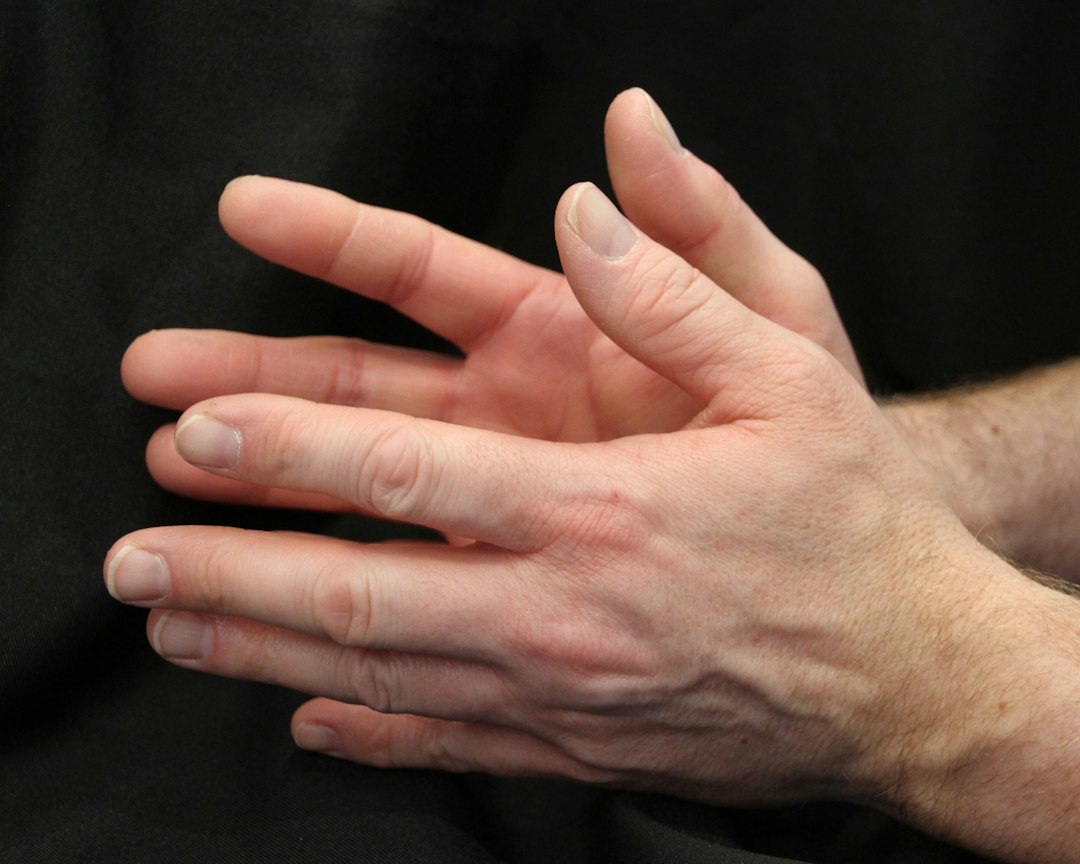
How to Distinguish Arthritis from Everyday Joint Discomfort
The key difference between arthritis and normal joint pain lies in consistency, duration, and underlying cause. Arthritis involves chronic joint inflammation and cartilage wear that persists over weeks or months, while regular joint pain often stems from temporary strain, overuse, or minor injury and typically resolves within days. Understanding arthritis vs regular joint pain how to tell difference helps you seek appropriate care before damage becomes irreversible.
Normal joint discomfort might strike after an intense workout or a long day on your feet. Arthritis, by contrast, follows a pattern—it worsens with certain weather changes, improves minimally with rest, and often affects multiple joints simultaneously. The distinction matters because early diagnosis of arthritis can slow progression and prevent permanent joint damage.
This article breaks down the clinical and practical differences so you can recognize which category your symptoms fall into and know when professional evaluation becomes necessary.
- Arthritis causes persistent, symmetrical joint pain lasting weeks or months; normal joint pain typically resolves in days
- Arthritis pain worsens with inactivity and improves gradually; regular joint pain improves quickly with rest
- Morning stiffness lasting over 30 minutes is a hallmark arthritis sign; regular pain doesn't show this pattern
- Multiple joints affected simultaneously often signals arthritis rather than localized strain
- Blood tests and imaging can confirm arthritis; normal joint pain usually needs no diagnostic testing
TL;DR: Arthritis is chronic joint inflammation affecting multiple joints with morning stiffness and slow improvement; regular joint pain is localized, temporary, and responds quickly to rest. See a doctor if pain lasts over two weeks, affects multiple joints, or shows progressive worsening.
The Science Behind Chronic Joint Inflammation: What Research Shows
Understanding the biological mechanisms behind arthritis versus normal joint pain requires looking at what happens inside the joint itself. Arthritis involves the breakdown of cartilage, the protective tissue covering bone ends, combined with inflammatory responses that damage synovial fluid and surrounding connective tissue. Normal joint pain typically stems from muscle strain, ligament micro-tears, or temporary swelling without structural tissue damage.
How Cartilage Wear and Inflammation Differ
In osteoarthritis, the most common form, cartilage gradually degrades through repeated friction and wear. This process takes months or years to develop, and once cartilage erodes, the body cannot regenerate it naturally. The joint compensates by producing more synovial fluid (the lubricating substance inside joints), which paradoxically creates swelling and stiffness rather than relief.
Rheumatoid arthritis operates differently—it's an autoimmune condition where the immune system attacks joint linings. This causes rapid inflammation that damages connective tissue structures within weeks to months. Regular joint pain from exercise or strain involves temporary inflammation that resolves as tissues heal naturally.
What Clinical Research Reveals About Pain Patterns
A 2022 study published in the Journal of Rheumatology found that patients with arthritis reported symmetrical pain patterns—affecting the same joints on both sides of the body—in 68% of cases. Normal muscle or ligament strain almost never follows this symmetrical pattern.
According to research from the American College of Rheumatology, morning joint stiffness lasting longer than 30 minutes is present in 90% of arthritis patients but occurs in less than 5% of people with regular exercise-related joint discomfort.
Additionally, arthritis pain typically worsens with inactivity, which contradicts the pattern of regular strain injuries. A 2023 analysis in Arthritis Care & Research showed that arthritis patients experienced peak pain after periods of rest, while those with regular joint pain experienced improvement after resting the affected area.
Distinguishing Symptoms: How to Recognize Each Type
The most reliable way to understand the arthritis vs regular joint pain how to tell difference is to examine your specific symptom pattern over time. Documentation matters more than any single symptom—tracking when pain occurs, how long it lasts, and what makes it better or worse provides crucial information for self-assessment and medical diagnosis.
Hallmark Arthritis Indicators
Arthritis typically shows these distinctive characteristics:
- Morning stiffness lasting 30 minutes or longer that gradually improves
- Pain affecting multiple joints simultaneously (knees and hips, or both hands)
- Swelling that persists even after resting the joint
- Warmth or redness around the affected joint
- Gradual worsening over weeks and months
- Pain that worsens with inactivity but only improves slightly with movement
- Reduced range of motion that persists without improvement
These symptoms often develop so gradually that people don't notice them until they become problematic. This slow onset distinguishes arthritis from acute injuries, which typically cause sudden, obvious limitation.
Regular Joint Pain Characteristics
Normal joint discomfort from strain, overuse, or minor injury shows a different profile:
- Pain starts suddenly after a specific activity or injury
- Affects one joint or localized area, not multiple sites
- Improves noticeably within 24-48 hours of rest
- No morning stiffness or stiffness resolves within minutes
- No accompanying swelling unless injury is severe
- Responds well to ice, heat, or over-the-counter pain relief
- Full resolution within 1-2 weeks without intervention
The key distinction is reversibility and timeline—regular pain follows a predictable improvement curve, while arthritis either stays constant or gradually worsens.
Step-by-Step Action Plan: Managing and Monitoring Your Joint Health
Whether you suspect arthritis or are dealing with regular joint discomfort, a systematic approach helps you understand your condition and make informed decisions about care. The first step is always careful observation before jumping to conclusions or dismissing symptoms entirely.
Immediate Steps to Document Your Symptoms
Start tracking your pain today using this simple framework:
- Record the date, time, and exact location of pain each day
- Rate severity on a scale of 1-10 each morning and evening
- Note what activities made pain better or worse
- Document morning stiffness duration in minutes
- Photograph any visible swelling for comparison over time
- Track weather changes and note any correlation with pain
After two weeks of documentation, patterns will emerge that distinguish arthritis from regular pain. This record becomes invaluable if you see a healthcare provider, as it provides objective data rather than vague descriptions.
Long-Term Habits That Support Joint Health
Regardless of your diagnosis, these habits protect joints and reduce discomfort:
- Maintain consistent low-impact exercise like walking or swimming
- Preserve healthy body weight to reduce joint stress
- Ensure adequate hydration for cartilage nutrition
- Support flexibility through gentle stretching daily
- Manage stress, which worsens inflammatory conditions
- Prioritize sleep quality for tissue repair and immune regulation
Many people explore nutritional support to address joint health factors—items like collagen, glucosamine, and omega-3 fatty acids appear in both research literature and popular wellness discussions. Supplements like Joint Genesis are formulated specifically around the nutrients most linked to maintaining cartilage integrity and reducing joint inflammation.
Consistency matters more than intensity when building these habits. Small daily actions accumulate into significant protection over months and years.
Warning Signs That Require Medical Attention
Certain symptoms warrant prompt evaluation by a healthcare provider, as they may indicate serious joint conditions that benefit from early intervention. The sooner you seek diagnosis, the more effective treatment options become, especially with conditions like rheumatoid arthritis where early therapy can prevent permanent damage.
Red Flags: Signs Your Symptoms Need Professional Evaluation
Contact a doctor if you experience:
- Joint pain lasting longer than two weeks without improvement
- Sudden swelling, warmth, or redness in a joint
- Pain in multiple joints on both sides of your body
- Morning stiffness lasting more than 30 minutes
- Reduced range of motion that worsens over days or weeks
- Pain severe enough to interfere with daily activities
- Unexplained fatigue accompanying joint discomfort
Don't wait for pain to become unbearable. Early medical evaluation often prevents progression to stages where joint damage becomes irreversible.
When to Seek Immediate Care
Go to urgent care or emergency services immediately if you develop:
- Severe sudden joint swelling with inability to move the joint
- Joint pain accompanied by fever above 101°F
- Visible deformity in the joint
- Signs of infection like warmth, redness, and pus
- Pain following a direct injury with suspected fracture
These situations indicate conditions requiring rapid intervention to prevent complications or permanent damage.
Frequently Asked Questions About Arthritis vs Regular Joint Pain
What is the main difference between arthritis and regular joint pain?
Arthritis involves chronic structural damage to joint cartilage and persistent inflammation, while regular joint pain stems from temporary strain or minor injury and resolves within days to weeks. Arthritis typically affects multiple joints symmetrically and causes progressive worsening, whereas regular pain usually affects one area and improves consistently with rest. According to the National Institute of Arthritis and Musculoskeletal and Skin Diseases, the key distinguishing factor is that arthritis causes permanent cartilage changes visible on imaging, while regular joint pain shows no structural damage. If your pain persists beyond two weeks or follows a pattern of worsening with inactivity, professional evaluation becomes important to rule out arthritis.
Can regular joint pain turn into arthritis?
Repeated injury to the same joint from overuse or poor movement patterns can accelerate cartilage wear and eventually lead to osteoarthritis, but a single episode of regular joint pain does not transform into arthritis. Arthritis develops through accumulated wear, genetic factors, or autoimmune processes—not from occasional discomfort. However, people who repeatedly strain the same joint without proper recovery or rehabilitation do increase their arthritis risk. This is why athletes and people in physically demanding jobs sometimes develop early-onset osteoarthritis. If you have recurrent joint pain in the same location, ask your doctor about preventing long-term damage through targeted exercises or activity modifications. The goal is to address problems early before they accumulate into structural joint disease.
How can I tell if morning stiffness is from arthritis or just sleeping wrong?
Arthritis-related morning stiffness lasts 30 minutes or longer and gradually improves as you move, while stiffness from sleeping position typically resolves within 5-15 minutes of normal movement. The distinction is duration and consistency—arthritis stiffness happens most mornings regardless of how you slept, whereas positional stiffness varies based on your sleep position. Another key difference: arthritis stiffness often worsens again with inactivity later in the day, creating a pattern. Track your morning stiffness for one week, noting the exact duration and whether it follows the same pattern daily. If you consistently experience over 30 minutes of stiffness that follows a predictable pattern, this warrants discussion with your healthcare provider.
Is swelling present in both arthritis and regular joint pain?
Swelling can occur with both conditions, but arthritis swelling typically persists and feels firm or warm, while regular injury swelling usually peaks within 24 hours and gradually decreases. Persistent swelling that doesn't improve with rest and elevation after 48 hours suggests arthritis or a more serious injury. With regular strains, you can usually see improvement by the second or third day—the swelling visibly decreases and movement becomes easier. Arthritis swelling may not look as dramatic, but it doesn't resolve with standard rest protocols. Additionally, arthritis often produces swelling in multiple joints simultaneously, whereas injury-related swelling typically affects only the traumatized area.
Take the Next Step Toward Clarity
If you've been experiencing persistent joint discomfort and aren't sure whether it's normal strain or something more serious, don't wait. Distinguishing between arthritis and regular joint pain becomes much clearer with professional guidance and targeted support for your specific situation. Many people find that combining medical evaluation with thoughtful