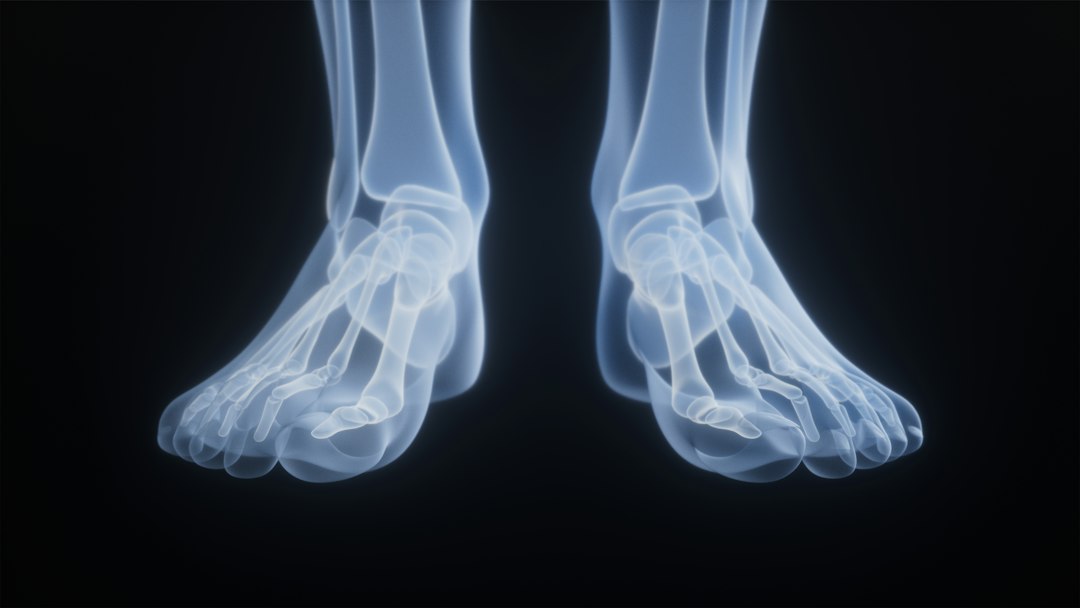
Understanding How Bone Spurs Develop: Causes, Symptoms, and Key Warning Signs
Bone spurs are small, pointed growths that develop on the edges of bones in your joints. They form as your body attempts to repair itself after cartilage damage or years of wear and tear. Understanding bone spurs in joints causes symptoms can help you recognize early warning signs and take action before they limit your mobility. These bony projections often develop silently over years, and many people don't realize they have them until pain strikes or imaging reveals their presence.
- Bone spurs form when cartilage breaks down and your body deposits calcium to stabilize the joint.
- Age, joint injury, and repetitive stress are the most common causes of bone spur development.
- Many bone spurs cause no symptoms at all; others trigger pain, stiffness, and limited movement.
- Early signs include mild aching, morning stiffness, and a grinding sensation in affected joints.
- Lifestyle changes, proper nutrition, and weight management can slow progression and ease discomfort.
TL;DR: Bone spurs develop when cartilage degrades and your body deposits extra bone to compensate, usually due to age, injury, or repetitive stress. Most cause no symptoms, but some trigger pain and stiffness. Early detection through imaging and lifestyle changes can help manage them effectively.
What Causes Bone Spurs to Develop in Joints?
The Cartilage Breakdown Process
Bone spurs don't appear overnight—they develop as a response to cartilage loss. When the smooth tissue that cushions your joints breaks down, bone becomes exposed and unprotected. Your body then attempts to repair this damage by depositing calcium and building new bone around the edges of the affected joint. This protective mechanism, while well-intentioned, can create the bony growths we call osteophytes.
This process mirrors your body's natural healing response. Think of it as scar tissue, but made of bone instead of soft tissue. The problem is that these new growths can interfere with movement and irritate nearby muscles and tendons.
Age and Osteoarthritis as Primary Risk Factors
Osteoarthritis is the leading cause of bone spur formation. As you age, the water content in your cartilage decreases, making it more brittle and prone to cracking. A 2022 study published in the Journal of Rheumatology found that approximately 80% of people over age 70 show signs of bone spurs on X-rays, whether they experience symptoms or not.
The older you get, the more likely your joints have experienced cumulative stress. Years of normal movement, combined with minor injuries you may have forgotten about, create the perfect conditions for bone spur development. This is why bone spurs in joints causes symptoms that often appear gradually rather than suddenly.
Injury, Overuse, and Biomechanical Stress
Previous joint injuries significantly increase your risk. Even an injury you sustained decades ago can set the stage for bone spur formation. The damaged cartilage never fully heals, and your body compensates by forming bone spurs around the injury site.
Repetitive stress and overuse also play major roles. Athletes, manual laborers, and people with certain occupations face higher risk. Your body responds to repeated micro-trauma by reinforcing joints with extra bone. Common high-risk activities include:
- Running or jumping sports (stress on knees and ankles)
- Throwing movements (shoulders and elbows)
- Typing and gripping (hands and wrists)
- Weightlifting with poor form (multiple joints)
- Standing on hard surfaces for extended periods (feet and ankles)
Poor posture and biomechanical misalignment also matter. If you walk with your weight shifted to one side or hold your neck forward, you place uneven stress on specific joints. This chronic imbalance encourages bone spur development exactly where the stress concentrates.
Recognizing Bone Spur Symptoms and Warning Signs
Early Signs That Often Go Unnoticed
The earliest warning signs of bone spurs in joints are often subtle and easy to dismiss. Many people attribute them to normal aging or ignore them entirely. The key is recognizing these minor symptoms before they progress. Early warning signs include:
- Mild aching or tenderness in a joint after activity
- Morning stiffness that improves after movement
- Slight grinding or crackling sensations (crepitus) when moving
- Reduced flexibility compared to a year or two ago
- Occasional swelling that comes and goes
These symptoms typically appear after activity and resolve with rest. Many people experience them only occasionally at first, then with increasing frequency as the bone spur grows larger.
Progressive Pain and Movement Limitations
As bone spurs enlarge, symptoms become more noticeable and disruptive. Pain may shift from activity-related to occurring even during rest. The grinding sensation becomes more pronounced, and you might hear actual popping or clicking sounds. Range of motion decreases noticeably, making everyday activities harder.
According to research from the American Academy of Orthopaedic Surgeons, about one-third of people with bone spurs experience significant pain, while others remain entirely asymptomatic throughout their lives. The size of the spur doesn't always correlate with symptom severity—sometimes a small spur in a bad location causes more trouble than a larger one elsewhere.
Advanced symptoms may include:
- Sharp pain during specific movements
- Muscle weakness around the affected joint
- Numbness or tingling if the spur presses on nerves
- Difficulty with stairs, walking, or gripping objects
- Visible swelling or changes in joint appearance
How Bone Spurs Impact Your Daily Life and Activities
Work Performance and Physical Demands
Bone spurs affect people differently depending on their lifestyle and job demands. Someone with a bone spur in their neck might struggle with a desk job if the spur presses on nerves, while a bone spur in the foot might barely affect a software developer. The real impact depends on where the spur is located and how it interacts with surrounding tissues.
Workers in physical jobs often face the hardest challenges. A construction worker with ankle bone spurs, a hairdresser with hand and wrist spurs, or a nurse with knee spurs all experience direct conflict between their job demands and their condition. Many people must modify their work or eventually change careers.
Sports, Exercise, and Recreation
Athletes and active people often experience the most frustration. Bone spurs commonly develop in the joints that bear the most stress from your preferred activities. A runner with heel spurs, a tennis player with elbow spurs, or a swimmer with shoulder spurs must adapt their training or stop their sport entirely.
The good news is that many people successfully manage bone spurs and remain active. This requires careful attention to technique, appropriate cross-training, and sometimes strategic rest days. Flexibility work and low-impact alternatives often help maintain fitness without aggravating the condition.
Natural Approaches and Lifestyle Modifications That Help
Weight Management and Joint Stress Reduction
Excess body weight directly increases stress on weight-bearing joints like knees, hips, and ankles. Every pound of extra weight multiplies the force your joints experience during normal activities. Losing weight is one of the most effective ways to reduce pain from existing bone spurs and slow the development of new ones.
You don't need extreme weight loss to see benefits. Studies show that a 5-10% reduction in body weight significantly decreases joint pain and improves function. This also reduces inflammation throughout your body, which may slow cartilage degradation.
Movement, Posture, and Targeted Exercises
Proper posture and movement patterns prevent new bone spurs from forming while managing existing ones. Before starting any exercise program, consult your healthcare provider to ensure exercises won't aggravate your specific condition.
Effective strategies include:
- Maintaining neutral spine alignment while sitting and standing
- Strengthening muscles around affected joints to provide better support
- Gentle range-of-motion exercises to maintain flexibility
- Low-impact activities like swimming, cycling, or walking on soft surfaces
- Correcting biomechanical issues with proper footwear or orthotics
- Taking frequent breaks during repetitive activities
- Applying heat before activity and ice afterward
Physical therapy can be particularly helpful, as a trained therapist can identify movement patterns contributing to your bone spurs and teach you better alternatives.
Nutrients, Diet, and What Science Reveals About Prevention
Anti-Inflammatory Foods and Nutritional Support
Your diet influences inflammation levels throughout your body, including in your joints. While no specific food can dissolve bone spurs, eating an anti-inflammatory diet may slow cartilage degradation and reduce pain symptoms. Foods rich in omega-3 fatty acids, antioxidants, and polyphenols support joint health.
Key nutrients include:
| Nutrient | Food Sources | Role | |----------|--------------|------| | Omega-3 fatty acids | Fatty fish, flaxseed, walnuts | Reduce inflammation | | Vitamin C | Citrus, berries, bell peppers | Support collagen formation | | Vitamin D | Fatty fish, egg yolks, sunlight | Regulate calcium, bone health | | Calcium | Dairy, leafy greens, fortified foods | Build and maintain bone | | Polyphenols | Berries, green tea, olive oil | Antioxidant protection | | Glucosamine | Shellfish, bone broth | Cartilage support |Supplements like Joint Genesis are formulated specifically around the nutrients most linked to joint health and may complement a healthy diet approach.
The Role of Hydration and Systemic Health
Proper hydration supports cartilage health because cartilage contains significant water content. Staying well-hydrated helps maintain cartilage's shock-absorbing capacity and may slow degeneration. Most experts recommend drinking 8-10 glasses of water daily, more if you're active or live in a dry climate.
Beyond individual nutrients, overall health matters. Managing stress, getting adequate sleep, and maintaining good blood circulation all support joint health. Smoking and excessive alcohol consumption accelerate cartilage breakdown, so avoiding these habits is important.
Frequently Asked Questions
What exactly is a bone spur and why does my body make them?
A bone spur, or osteophyte, is a small bony projection that grows on the edge of a bone, usually where bones meet in a joint. Your body develops them as a stabilization response when cartilage becomes damaged or worn. When the smooth protective cartilage layer erodes, bone becomes exposed to stress it's not designed to handle. Your body responds by depositing extra bone material around the joint edges, similar to how scar tissue forms on skin. This is a natural healing attempt, but these growths can eventually interfere with movement or press on nearby nerves and tendons, potentially causing pain and stiffness.
Can bone spurs go away on their own or stop growing?
Bone spurs do not disappear once formed, and most continue growing slowly over time as osteoarthritis progresses. However, growth rates vary dramatically between individuals—some people's spurs remain stable for years, while others develop new ones more quickly. The good news is that bone spurs don't always cause problems or require treatment. Many people discover spurs on X-rays taken for unrelated reasons and experience zero symptoms. Lifestyle modifications, weight management, and proper exercise can slow growth and reduce inflammation, even if they can't shrink existing spurs. Managing the underlying cartilage damage is more important than focusing on the spurs themselves.
How do doctors diagnose bone spurs and what should I expect?
Doctors typically diagnose bone spurs through imaging studies like X-rays or MRI scans, usually ordered because of joint pain or other symptoms. A physical examination often reveals limited range of motion, tenderness, or swelling. Many people are diagnosed incidentally—meaning doctors find spurs while investigating an unrelated problem. Your doctor will ask about your symptoms, activity level, and medical history to determine whether the spurs are causing your pain or if another condition is responsible. Sometimes additional tests like ultrasound or CT scans provide more detail about how spurs interact with surrounding tissues. If symptoms are mild, doctors typically recommend conservative treatment before considering more invasive options.
When should I seek medical attention for bone spurs versus managing them at home?
Seek medical attention if you experience persistent joint pain lasting more than a few weeks, significant loss of movement, numbness or tingling suggesting nerve compression, or pain that worsens despite rest and over-the-counter anti-inflammatory medications. You should also see a doctor if bone spurs begin interfering with your work or quality of life. Early evaluation prevents complications and ensures you receive appropriate guidance. However, mild symptoms that respond well to home care—rest, ice, over-the-counter pain relievers, and activity modification—don't necessarily require immediate medical intervention. Keeping a symptom diary helps you communicate clearly with your doctor about pain patterns, triggers, and what helps most.
Managing Bone Spurs for the Long Term
Living with bone spurs requires a long-term perspective. Most people successfully manage their condition through lifestyle modifications, strategic exercise, and sometimes medication or injections. The key is starting early—before symptoms become severe—and being consistent with preventive approaches.
Regular monitoring through periodic imaging helps your doctor track changes and adjust your treatment plan as needed. Staying active while respecting your body's limits, maintaining a healthy weight, and eating an anti-inflammatory diet form the foundation of management. Many people find that combining these approaches with targeted supplements provides additional support.
Remember that bone spurs develop slowly over years, which means you have time to make positive changes. Small modifications today can significantly impact your mobility and comfort in future years.
If you're dealing with bone spur symptoms and want to explore comprehensive nutritional support, check out Joint Genesis to see whether a targeted formula might complement your existing management strategy. A healthy diet and lifestyle remain essential, but supplementation can address nutritional gaps that may support joint health.