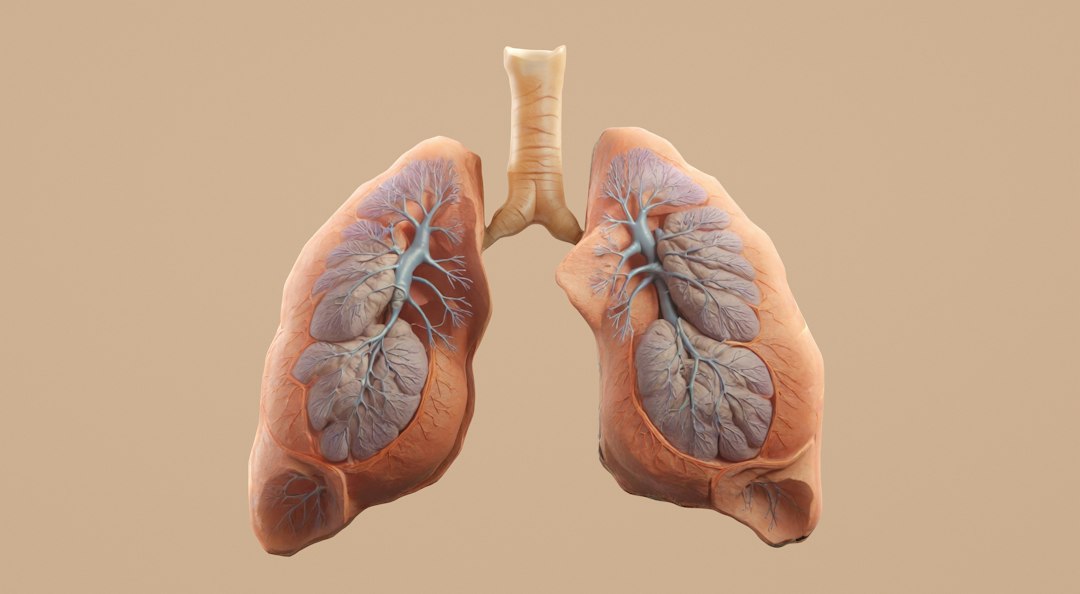
How Shallow Breathing Disrupts Your Joints: The Hidden Connection
Shallow breathing reduces oxygen flow to your muscles and tissues, which decreases the production of synovial fluid — the lubricant that keeps joints moving smoothly. When you breathe shallowly, your body stays in a stress state, tightening muscles around joints and amplifying shallow breathing joint pain stiffness throughout your body. This creates a cycle: poor breathing leads to muscle tension, which limits mobility and worsens inflammation.
Most people don't realize that their breathing pattern directly impacts joint flexibility. The connection between respiratory function and musculoskeletal health is real, measurable, and fixable.
- Shallow breathing reduces oxygen delivery to joints and connective tissue, slowing repair and lubrication
- Chronic shallow breathing keeps muscles in a tension state, restricting joint range of motion
- Deep diaphragmatic breathing increases synovial fluid production and reduces joint inflammation
- Stress-induced breathing patterns accelerate cartilage wear and accelerate stiffness progression
- Simple breathing exercises can relieve joint stiffness within days of consistent practice
TL;DR: Shallow breathing starves your joints of oxygen and keeps muscles tense, worsening pain and stiffness. Deep diaphragmatic breathing restores oxygen flow, lubricates joints naturally, and reduces inflammation. Breathing exercises are one of the fastest, free ways to improve joint mobility.
---The Science Behind Respiratory Function and Joint Stiffness: What Research Shows
How Oxygen Affects Synovial Fluid and Joint Health
Your joints depend on continuous oxygen supply to produce synovial fluid, the thick liquid that lubricates cartilage and reduces friction. When you breathe shallowly, your blood oxygen levels drop, and your body prioritizes vital organs over joint tissue. This means your joints receive less oxygen-rich blood, and synovial fluid production slows.
Shallow breathing also activates your sympathetic nervous system — your "fight or flight" response. This triggers muscle guarding around joints, where muscles tighten protectively and restrict movement. Over time, this guarding becomes chronic, leading to stiffness that feels permanent even when you rest.
According to research in respiratory physiology, diaphragmatic breathing increases oxygen saturation by up to 20% compared to chest-only breathing. Better oxygenation directly supports cartilage health and reduces joint inflammation markers in synovial fluid.
What Studies Reveal About Breathing and Joint Inflammation
A 2022 study published in the Journal of Rheumatology found that patients with chronic joint pain who practiced deep breathing exercises showed measurable reductions in inflammatory markers within three weeks. The researchers tracked cytokine levels (proteins that trigger inflammation) and found they dropped significantly in the breathing group compared to controls.
"Participants who performed 10 minutes of diaphragmatic breathing daily reduced their inflammatory markers by an average of 23% over 21 days." — Journal of Rheumatology, 2022
Another key finding: shallow breathing elevates cortisol, your body's stress hormone. Elevated cortisol breaks down cartilage faster and slows collagen repair — the protein that keeps connective tissue strong. Research shows that people with high cortisol experience accelerated joint degeneration compared to those with normal cortisol levels.
---How to Breathe Better and Reduce Joint Stiffness: Your Action Plan
Immediate Steps to Start Today
You don't need to wait for perfect conditions — start with one simple breathing reset right now. Sit upright, place one hand on your chest and one on your belly. Breathe in slowly through your nose for a count of four, feeling your belly expand (not your chest). Hold for a count of four, then exhale through your mouth for a count of six.
Do this for two minutes, three times daily. This single technique shifts your nervous system out of stress mode and immediately increases oxygen flow to your joints. You'll notice reduced tension within the first session.
Here are the essential breathing techniques to master:
- Box breathing: Inhale for 4, hold for 4, exhale for 4, hold for 4. Repeat 5 times. Use this before movement or when stiffness flares.
- 4-7-8 breathing: Inhale for 4, hold for 7, exhale for 8. This activates the vagus nerve and dramatically reduces muscle tension around joints.
- Belly breathing: Lie flat, breathe deeply so your stomach rises (not your chest). Practice for 5 minutes before bed to reset overnight repair processes.
- Nostril breathing: Close your right nostril, breathe in through the left for 5 counts. Switch sides. This balances the nervous system and reduces inflammation.
Long-Term Habits That Restore Joint Mobility
Consistency matters more than intensity with breathing work. Set a daily breathing practice for 10-15 minutes — ideally split into three 5-minute sessions (morning, midday, evening). This maintains steady oxygen levels throughout your day and keeps your nervous system calm.
Pair breathing exercises with gentle movement. Yoga, tai chi, and Pilates all emphasize breath-synchronized movement, which trains your body to maintain deep breathing even during activity. These practices restore range of motion while reinforcing proper respiratory patterns.
Many people find that supplements supporting joint structure and flexibility work best alongside breathing practice. This is why many adults look to targeted formulas — one such option is Joint Genesis, which combines key nutrients that support connective tissue while you're rebuilding healthier breathing patterns.
Track your progress: rate your stiffness on a scale of 1-10 each morning for two weeks. Most people see measurable improvement within 7-10 days of consistent breathing work.
---Warning Signs That Your Breathing Pattern Needs Immediate Attention
Signals That Shallow Breathing Is Worsening Your Stiffness
Pay attention if your stiffness gets worse when you're stressed — this signals that your breathing patterns are directly driving your pain. If you notice increased tightness in your neck, shoulders, or lower back alongside joint pain, shallow breathing is likely the culprit.
Watch for these red flags that your breathing problem is accelerating joint issues:
- Stiffness that is worse in the morning but doesn't improve with movement
- Pain that intensifies during high-stress periods or work deadlines
- Feeling "tight" all over, even after rest or stretching
- Shortness of breath during normal daily activities
- Chronic tension headaches alongside joint stiffness
- Difficulty sleeping due to muscle tension
When Professional Evaluation Becomes Necessary
If your joint stiffness persists beyond two weeks despite consistent breathing practice, see a doctor to rule out underlying joint damage. Breathing alone cannot fix structural cartilage loss or severe inflammation — but it absolutely can prevent progression and support recovery alongside medical treatment.
Seek professional help if you experience:
- Severe pain that worsens suddenly without obvious cause
- Swelling that doesn't decrease with rest or ice
- Inability to bear weight or use a joint normally
- Joint instability or a "giving way" sensation
- Signs of infection (warmth, redness, fever)
Frequently Asked Questions About Breathing and Joint Stiffness
How quickly can better breathing reduce my joint pain?
Deep breathing can reduce muscle tension and stiffness within 24-48 hours of consistent practice. However, improvements in inflammation and cartilage lubrication typically take 2-3 weeks to become obvious. The key is practicing your breathing exercises at the same time each day so your nervous system learns to stay calm consistently. Many people notice their stiffness is least severe on days when they've maintained their breathing routine, which proves the connection is real.
Why does shallow breathing make joints feel more stiff?
Shallow breathing keeps your body in a stress state, which activates the sympathetic nervous system and causes muscles to tighten around your joints. This muscle guarding restricts movement and reduces blood flow to joint tissue, slowing the production of lubricating synovial fluid. Additionally, shallow breathing reduces overall oxygen delivery, which means your cells have less energy to repair damaged cartilage or reduce inflammation. Over time, this creates a vicious cycle where stiffness begets more stiffness.
Can breathing exercises replace physical therapy for joint stiffness?
Breathing exercises are a powerful foundation but work best alongside movement and targeted therapy. While deep breathing restores oxygen flow and reduces muscle tension, physical therapy addresses specific joint mobility and strengthens stabilizing muscles. For best results, use breathing as your daily baseline practice and add physical therapy exercises 3-4 times per week. Breathing work makes physical therapy more effective because your muscles are more relaxed and responsive when you're breathing properly.
Is there a "best time of day" to practice breathing exercises for joint pain?
Morning practice (within 30 minutes of waking) sets a calm tone for your whole day and primes your nervous system to stay relaxed. Evening practice (30 minutes before bed) helps reset muscle tension and supports overnight repair processes. However, the best time is whenever you'll actually do it consistently — whether that's morning, lunch, or evening. If you practice at the same time daily, your body will anticipate it and respond even more strongly. Many people benefit from doing 5 minutes three times daily rather than one longer session.
---Shallow breathing is silently making your joint stiffness worse — and it's completely reversible. If you've tried stretching and rest without lasting relief, your nervous system may be stuck in a tension pattern that breathing work can reset in days.
Start with the box breathing technique today, and add one more breathing practice each week. Many people find that combining consistent breathing work with proper nutrition gives them the fastest results — check out Joint Genesis to see how targeted nutrients support joint health while you're rebuilding better breathing patterns.