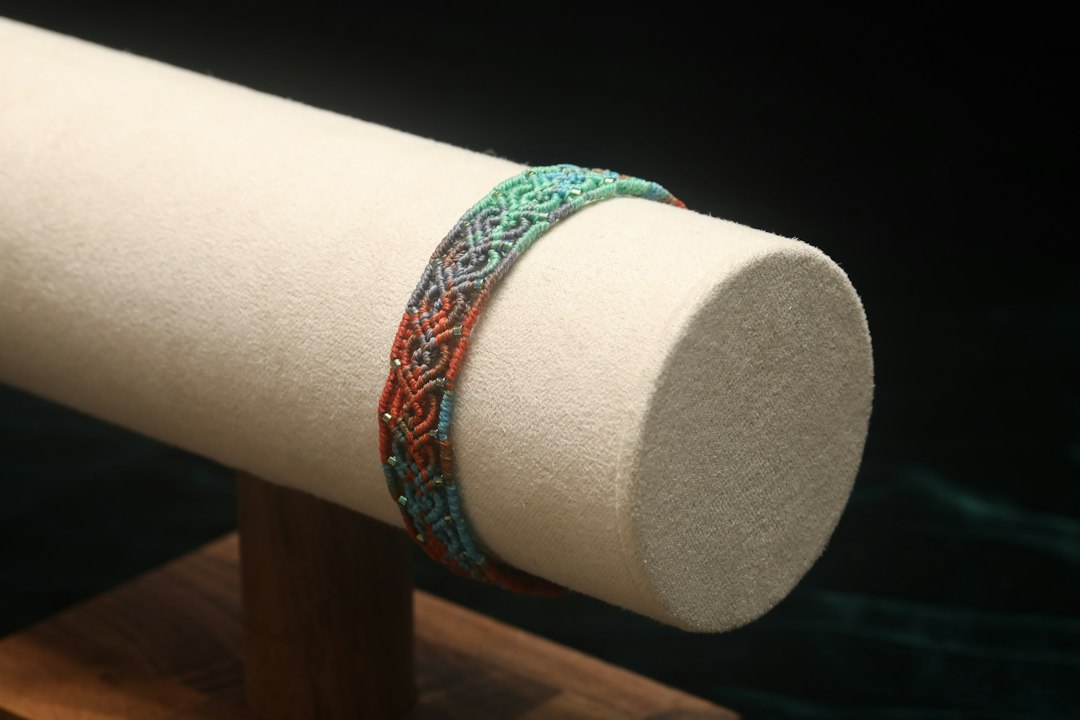
Do Copper Bracelets Actually Reduce Joint Pain? Here's What the Evidence Says
Copper bracelets do not have clinically proven effectiveness for joint pain, despite decades of popularity and anecdotal claims from users worldwide. The scientific evidence examining whether copper bracelets work for joint pain evidence shows no consistent benefit beyond placebo effect in rigorous, controlled studies.
Millions of people wear copper bracelets hoping to ease arthritis, inflammation, and general joint discomfort. The practice dates back centuries, rooted in folk medicine and traditional healing. Yet when researchers put these bracelets to the test, the results tell a different story.
Understanding the gap between belief and evidence matters for your health decisions. This article breaks down what science actually shows about copper bracelets, magnetic therapy alternatives, and evidence-based approaches to managing joint issues effectively.
- Copper bracelets show no measurable benefit for joint pain in controlled clinical trials
- The placebo effect explains why some people report feeling better wearing them
- Magnetic therapy lacks scientific support as an arthritis treatment
- Proven approaches include physical therapy, anti-inflammatory diet, and medical treatment
- If joint pain persists, evidence-based medical evaluation is essential
TL;DR: Despite their popularity, copper bracelets lack scientific evidence supporting their use for joint inflammation or pain relief. Studies show no significant advantage over placebo. Evidence-based treatments like physical therapy, appropriate medication, and lifestyle modifications remain the most reliable approaches for managing joint discomfort.
The Science Behind Copper Bracelets: What Research Actually Shows
Multiple randomized controlled trials have found no significant difference between wearing copper bracelets and wearing placebo bracelets for pain reduction. This is the gold standard for testing whether a treatment works.
How Copper Is Supposed to Work (and Why It Doesn't)
Proponents claim that copper ions absorb through skin and reduce joint inflammation, treating the root cause of arthritis. The theory sounds plausible on the surface but lacks biological support. Healthy skin acts as a barrier—copper doesn't penetrate significantly enough to reach inflamed joints.
Additionally, your body already contains copper in controlled amounts through diet. Adding more through skin contact doesn't increase synovial fluid production or restore cartilage wear that drives most joint pain.
What Major Clinical Studies Found
A landmark 2013 study published in the Journal of Rheumatology followed 70 people with rheumatoid arthritis. Half wore copper bracelets, half wore placebos. After five months, both groups improved equally—suggesting the relief came from expectation, not copper itself.
According to researchers at the University of Melbourne, "Copper bracelets were no more effective than placebo bracelets in reducing pain or disability in rheumatoid arthritis patients" (Jones et al., 2013).
Similar results emerged from a 2012 trial in Complementary Therapies in Medicine. Neither pain reduction nor joint function improved significantly when copper was involved. Placebo response accounted for reported improvements.
Copper vs. Magnetic Bracelets: Why Magnetic Therapy Also Falls Short
Many people confuse copper bracelets with magnetic therapy products, which claim even stronger healing powers. The evidence for magnetic bracelets is equally weak.
The Magnetic Field Myth
Magnetic bracelets supposedly realign iron in red blood cells and improve circulation to reduce inflammation. Here's the problem: the magnets in bracelets are far too weak to penetrate deep tissue or affect blood cell movement in any meaningful way.
Your body's own electromagnetic field is stronger than any wearable magnet. Therapeutic magnets would need to be hospital-grade and applied directly by medical professionals—not worn casually on your wrist.
Clinical Evidence on Magnetic Therapy
According to research from the British Medical Journal, magnetic bracelets show no measurable advantage over placebo for treating arthritis, joint pain, or related musculoskeletal pain. Multiple randomized trials reached identical conclusions.
Neither copper nor magnetic properties address the actual causes of joint discomfort: cartilage wear, synovial fluid loss, connective tissue damage, or chronic inflammation in the joint lining.
Why People Feel Better (Even When the Science Says No)
If copper bracelets don't work, why do so many people swear by them? The placebo effect is powerful and real—it just doesn't mean the copper is doing anything.
The Placebo Effect in Action
When you expect something to reduce pain, your brain releases endorphins and adjusts pain perception. You might also become more mindful of your body, notice small improvements, or move differently because you believe you're being helped.
This isn't fake or imaginary—it's genuine pain relief generated by your own nervous system. But it's temporary and doesn't treat underlying joint pathology.
Confirmation Bias and Memory
People tend to notice improvements that confirm their beliefs and forget failures. Good days blend together in memory, making it seem like the bracelet helped when natural pain fluctuation likely explains the difference.
Weather, activity level, sleep, stress, and diet all influence joint discomfort day-to-day. Wearing a copper bracelet makes an easy explanation for why today felt better—even if that explanation isn't accurate.
Evidence-Based Approaches That Actually Work for Joint Discomfort
Instead of relying on unproven remedies, proven strategies target the real sources of joint pain: inflammation, movement restrictions, and tissue damage.
Immediate Steps to Take Today
- Apply ice for 15 minutes to reduce acute inflammation and swelling
- Perform gentle range-of-motion exercises to maintain mobility
- Rest the affected joint to prevent further irritation
- Take over-the-counter NSAIDs if appropriate for your health status
Long-Term Habits That Build Joint Resilience
Consistent movement matters more than any wearable device. Physical therapy, strength training, and flexibility work actually rebuild joint stability and reduce pain over weeks and months.
Anti-inflammatory eating patterns support joint health significantly. Focus on omega-3 rich foods, colorful vegetables, whole grains, and limit processed items that trigger inflammatory responses. Supplements like Joint Genesis are formulated specifically around the nutrients most linked to joint health and cartilage support.
Weight management reduces stress on weight-bearing joints, easing discomfort in knees, hips, and ankles. Even a 5-10 pound loss improves mobility and decreases inflammation markers.
Here's a practical plan to implement these approaches:
- Schedule a visit with your doctor to rule out serious conditions requiring specific treatment
- Start a 10-minute daily stretching routine focusing on joints that hurt
- Add three servings of vegetables to meals this week
- Book a consultation with a physical therapist for personalized exercises
- Track which activities improve or worsen your symptoms in a pain journal
Warning Signs That Your Joint Pain Needs Professional Attention
Some joint discomfort resolves with time and self-care. Other symptoms signal something requiring medical evaluation that no bracelet can address.
Signs of Worsening Joint Inflammation
- Swelling or redness that increases despite rest and ice
- Pain that wakes you up at night or limits basic daily activities
- Stiffness that lasts more than 30 minutes after waking
- Pain accompanied by fever or unexplained fatigue
- Sudden loss of motion or clicking/popping sounds in the joint
When to See a Doctor Immediately
Don't delay medical care if your joint pain suddenly worsens or involves multiple joints at once. Conditions like rheumatoid arthritis require early intervention to prevent permanent damage to cartilage and bone.
A rheumatologist or orthopedic specialist can order imaging, blood tests, and perform physical exams to identify the actual cause. From there, evidence-based treatment plans using medication, physical therapy, or procedures address the root problem effectively.
Frequently Asked Questions About Copper Bracelets and Joint Pain
What does copper actually do for joints?
Copper is an essential mineral your body needs in trace amounts for collagen formation and enzyme function. However, copper bracelets don't deliver enough copper through skin absorption to influence these processes meaningfully. You get far more copper from food—nuts, shellfish, and whole grains contain bioavailable copper your digestive system absorbs efficiently. Wearing a bracelet on your wrist cannot replicate dietary copper intake, and the theory that it reaches inflamed joints through skin contact lacks scientific validation. Studies show that copper from bracelets doesn't measurably change pain levels compared to placebo alternatives.
Is there any type of bracelet or wearable that actually helps joint pain?
Compression sleeves and support braces provide real biomechanical benefits by stabilizing joints and reducing harmful movement patterns. These work through physical support, not mineral absorption or magnetic fields. Some people find relief wearing them during activity because they prevent excessive motion and provide proprioceptive feedback about joint position. Copper and magnetic bracelets don't offer this structural support. If you want a wearable with evidence behind it, compression garments designed for your specific joint are worth trying. They won't cure underlying conditions but may reduce pain during daily activities.
Can magnetic therapy reduce arthritis symptoms?
No—magnetic therapy has failed to show effectiveness for arthritis or any form of joint pain in clinical trials. The magnetic fields from bracelets are too weak to penetrate tissue or influence blood flow in ways that would reduce inflammation. Arthritis involves structural changes in cartilage, bone, and synovial fluid that require medical intervention—physical therapy, medication, lifestyle modification, or surgery depending on severity. Magnets won't reverse cartilage wear or decrease inflammatory markers in blood tests. If you've felt improvement wearing magnetic products, that improvement came from placebo effect or coincidental pain fluctuation, not the magnet itself.
Should I try copper or magnetic bracelets if nothing else has worked?
No—if other treatments haven't provided relief, wearing an unproven bracelet wastes time and delays access to actual solutions. Persistent joint pain requires professional medical evaluation to identify its cause and match it with appropriate treatment. You might have rheumatoid arthritis needing medication, osteoarthritis requiring specific physical therapy, or an injury needing imaging and targeted rehabilitation. A rheumatologist, orthopedic surgeon, or sports medicine doctor can order tests and create a real treatment plan. Trying another ineffective remedy extends suffering and may allow your condition to worsen. Invest that money and effort in proven approaches instead.
The Bottom Line on Copper Bracelets and Joint Health
Copper bracelets remain popular because the placebo effect is real and because joint pain naturally fluctuates. However, popularity doesn't equal efficacy. Rigorous scientific evidence consistently shows no measurable benefit beyond placebo.
If you're considering a copper bracelet, understand you're betting on hope rather than biology. That money and attention might serve you better through physical therapy sessions, anti-inflammatory groceries, or a doctor's visit to identify what's actually causing your discomfort.
Your joints deserve treatment based on evidence, not marketing claims or centuries-old tradition that modern science has already tested and rejected.
Joint pain affects your quality of life, and you deserve solutions backed by real evidence. If you're exploring options for supporting joint health, understanding what works—and what doesn't—is the first step. Consider exploring the full breakdown of Joint Genesis, which takes an evidence-based approach to joint support using scientifically-studied ingredients rather than unproven traditional remedies.