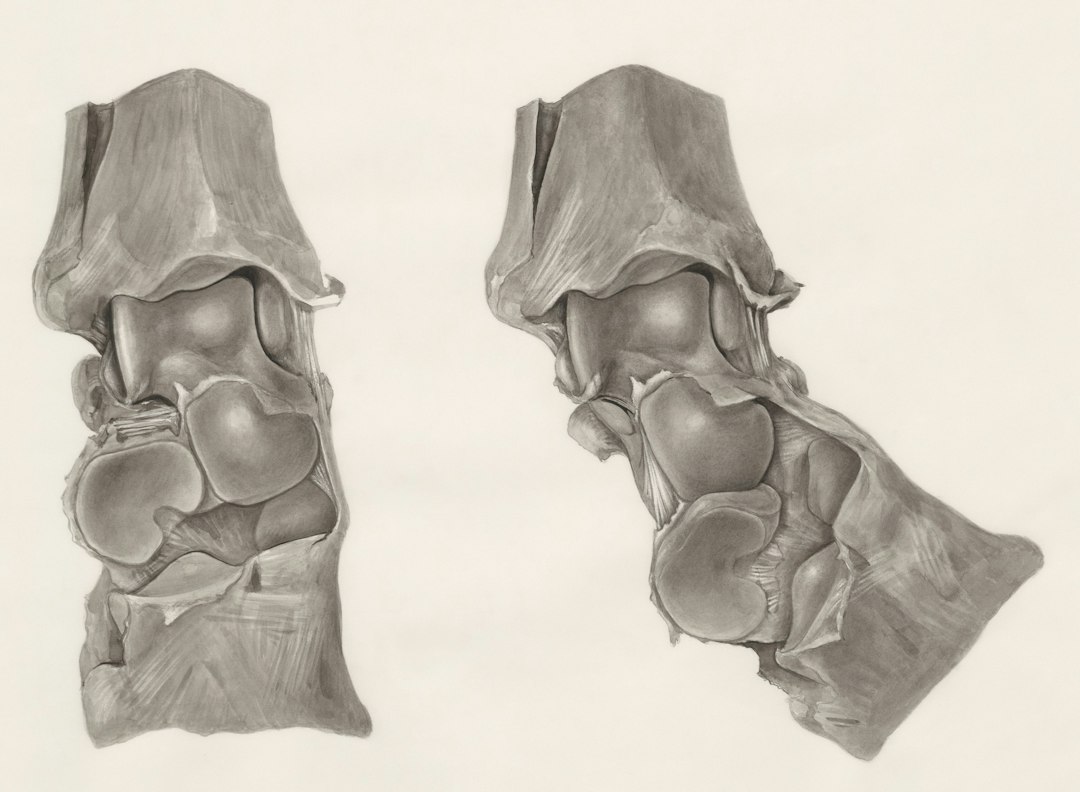
How to Spot Cartilage Thinning Before It Becomes a Major Problem
Early signs of cartilage thinning in joints often go unnoticed because the damage starts silently, without the dramatic pain most people expect. Your cartilage doesn't have nerves, so wear doesn't announce itself loudly—not at first. By the time you feel significant discomfort, the breakdown may have already progressed. Understanding what to watch for gives you the power to catch problems early and take action before structural damage becomes irreversible.
Many people assume joint problems are a normal part of aging and skip early intervention. This delay is costly. The window for prevention and early treatment is narrower than you think, which is why recognizing subtle warning signs matters more than waiting for obvious symptoms.
- Cartilage damage begins silently because cartilage has no nerve endings
- Early signs include mild morning stiffness, subtle clicking sounds, and occasional mild swelling
- Risk factors include repetitive joint stress, previous injuries, and age over 40
- Early detection allows for preventive strategies that can slow or halt progression
- Professional imaging and blood markers can reveal cartilage wear before symptoms become severe
TL;DR: Cartilage thinning happens gradually and silently. Watch for morning stiffness lasting under 30 minutes, occasional joint sounds, and mild swelling after activity. These subtle signs appear years before major damage develops, giving you time to intervene with lifestyle changes, targeted movement, and proper nutrition.
The Science Behind Cartilage Degeneration: What Research Shows
Recognizing early signs of cartilage thinning requires understanding how this tissue breaks down at the biological level. Cartilage is a smooth, rubbery tissue that covers the ends of bones and allows frictionless movement. Unlike bone, cartilage has no blood vessels or nerves, which means it heals slowly and relies on movement and compression to stay nourished.
How Cartilage Deteriorates at the Cellular Level
Cartilage damage occurs through two main pathways: mechanical wear and biochemical breakdown. When you move your joints, compression pumps nutrients into the cartilage matrix like a sponge soaking up water. Without proper movement or with repetitive stress, this nutrient delivery fails. Meanwhile, inflammatory molecules accumulate in the joint space, triggering enzymes that slowly dissolve cartilage structure.
The early stage is called chondral damage, where microscopic fissures form in the cartilage surface. These cracks are invisible on standard X-rays and cause no pain initially. Synovial fluid—the joint lubricant—begins to lose its protective quality as proteins degrade. Over time, rough cartilage surfaces increase friction, which accelerates the entire process.
What Recent Research Reveals
A 2022 study published in the Journal of Rheumatology found that biomarkers in blood and synovial fluid can detect cartilage breakdown years before imaging shows visible damage. Researchers measured collagen fragments and other cartilage proteins in 400 adults with no joint pain, tracking them for five years. Those with elevated cartilage biomarkers developed measurable joint wear within that timeframe, while control groups did not.
"Early biochemical changes in cartilage precede structural damage by an average of 3-5 years," according to the study's lead findings. This gap represents a critical intervention window.
Another research finding shows that synovial inflammation—increased fluid production and inflammatory cell activity—is one of the earliest detectable changes. Unlike cartilage loss, which develops gradually, inflammatory markers spike quickly. This is why some people experience swelling or morning stiffness as their first warning sign.
Step-by-Step Action Plan for Detecting and Managing Early Cartilage Wear
Taking action early requires both awareness and strategic intervention. Here's how to move from suspicion to confirmation and then to protective habits.
Immediate Steps to Take Today
Start by documenting your joint symptoms over two weeks. Track morning stiffness duration, joint sounds, and swelling patterns. Write down which activities trigger discomfort and which reduce it. This personal log is invaluable when talking to a healthcare provider and helps you identify trigger activities to modify.
Next, assess your current movement patterns. Repetitive stress is a major cartilage killer, whether from sports, work, or daily habits. Identify activities that put your most vulnerable joints under pressure. If you sit eight hours daily, your hip and knee cartilage needs relief. If you throw overhead, your shoulder cartilage needs support.
Finally, schedule a conversation with your doctor. Bring your symptom log and mention your concerns about cartilage health. Ask about imaging options and blood work that can assess joint status. Early screening is most effective when you're proactive about it.
Long-Term Habits That Protect Cartilage
Building sustainable habits matters more than short-term fixes. Low-impact movement is the single best cartilage protector because it compresses joints without shock trauma. Swimming, walking, cycling, and tai chi all nourish cartilage by moving joints through their full range while reducing impact stress.
Here's your foundation for long-term cartilage health:
- Move daily without high-impact stress (aim for 150 minutes weekly of low-impact activity)
- Maintain a healthy weight to reduce joint compression forces
- Eat anti-inflammatory foods that reduce synovial inflammation
- Stay hydrated to maintain synovial fluid quality
- Strengthen muscles around vulnerable joints for better stabilization
- Avoid prolonged static positions; change positions every 30-45 minutes
- Address previous injuries with targeted rehabilitation before problems develop
Supplements like Joint Genesis are formulated specifically around the nutrients most linked to cartilage health and joint support, which some people explore as part of their comprehensive approach.
Warning Signs That Your Cartilage Damage Is Progressing
Not all joint symptoms mean cartilage is thinning, but certain patterns warrant medical attention. Learning to distinguish early warning signs from normal wear helps you respond at the right time.
Early Indicators of Cartilage Breakdown
The earliest cartilage wear signals are subtle and easy to dismiss. Morning stiffness lasting less than 30 minutes is common and often harmless, but when it starts lasting longer or gets worse over weeks, it suggests connective tissue inflammation. Similarly, occasional joint sounds—clicking or creaking during movement—are usually harmless, but new sounds or sounds that increase in frequency warrant attention.
Watch for these specific patterns:
- Stiffness that worsens in the morning but improves with movement within 30 minutes
- Mild swelling that appears after activity and resolves overnight
- A grinding sensation deep inside the joint (not just surface sounds)
- Pain that follows a predictable pattern based on activity level
- Reduced range of motion that develops gradually over weeks or months
When to Seek Professional Evaluation
Some symptoms require urgent professional assessment. Sudden swelling, warmth, or redness suggests acute inflammation or infection, which needs immediate attention. Likewise, sharp pain that limits movement or makes weight-bearing difficult is different from mild discomfort and should prompt a doctor's visit.
Schedule an appointment if you experience:
- Pain that wakes you at night or limits daily activities
- Swelling that doesn't resolve after rest and ice
- Instability or a sensation that your joint might "give way"
- Progressive symptoms that worsen despite self-care efforts
- Joint symptoms affecting multiple joints simultaneously
Frequently Asked Questions About Early Cartilage Thinning
What Does Early Cartilage Damage Actually Feel Like?
Early cartilage damage often feels like nothing at all because cartilage has no nerves. When symptoms appear, they're usually mild and intermittent: mild morning stiffness that improves with movement, occasional clicking or popping sounds during normal activities, or subtle swelling that appears only after heavy use and disappears with rest. Many people describe it as a "catching" sensation during certain movements or a feeling of mild grinding deep within the joint, rather than sharp or constant pain. The key is recognizing these subtle signals as your body's early warning system, not dismissing them as normal aging.
Can Early Cartilage Thinning Be Reversed?
Complete cartilage regeneration in adults is extremely difficult because cartilage lacks its own blood supply and heals very slowly. However, early-stage damage can be halted or slowed significantly through lifestyle changes, proper movement patterns, weight management, and targeted nutrition. Studies show that consistent low-impact exercise, anti-inflammatory eating habits, and adequate hydration can stabilize existing damage and prevent progression. This is why catching problems early matters so much—you have a real opportunity to prevent further deterioration before damage becomes permanent and irreversible.
How Can I Test for Cartilage Damage Before It Shows on X-rays?
Advanced imaging like MRI can detect cartilage thinning earlier than standard X-rays because it visualizes soft tissue with high precision. Blood and synovial fluid biomarkers are even earlier indicators—tests can measure cartilage breakdown products and inflammatory markers that appear years before structural damage shows up on images. Talk to your doctor about whether biomarker testing or MRI screening makes sense for you, especially if you have risk factors like previous joint injuries, high-impact sports history, or family history of arthritis. These tests are preventive tools that empower you to act before visible damage develops.
What's the Difference Between Normal Joint Sounds and Signs of Cartilage Problems?
Normal joint sounds—called crepitus—are usually harmless and come from air bubbles in synovial fluid or tendons moving across bone. These sounds are painless and don't worsen with activity. Warning signs include grinding sensations that feel rough or uncomfortable, clicking sounds that hurt, or sounds that appear suddenly and increase over time. Additionally, cartilage-related sounds often accompany other symptoms like stiffness or swelling, whereas normal sounds occur alone. If joint sounds are new, worsening, or accompanied by any pain or functional limitation, have them evaluated by a healthcare provider to rule out cartilage involvement.
If you've noticed early signs of joint wear or want to support your cartilage health proactively, understanding your options is the first step. Many people combine lifestyle changes with targeted nutritional support to give their joints the best chance at long-term health. Explore Joint Genesis to see how targeted supplementation fits into a comprehensive joint-care strategy.