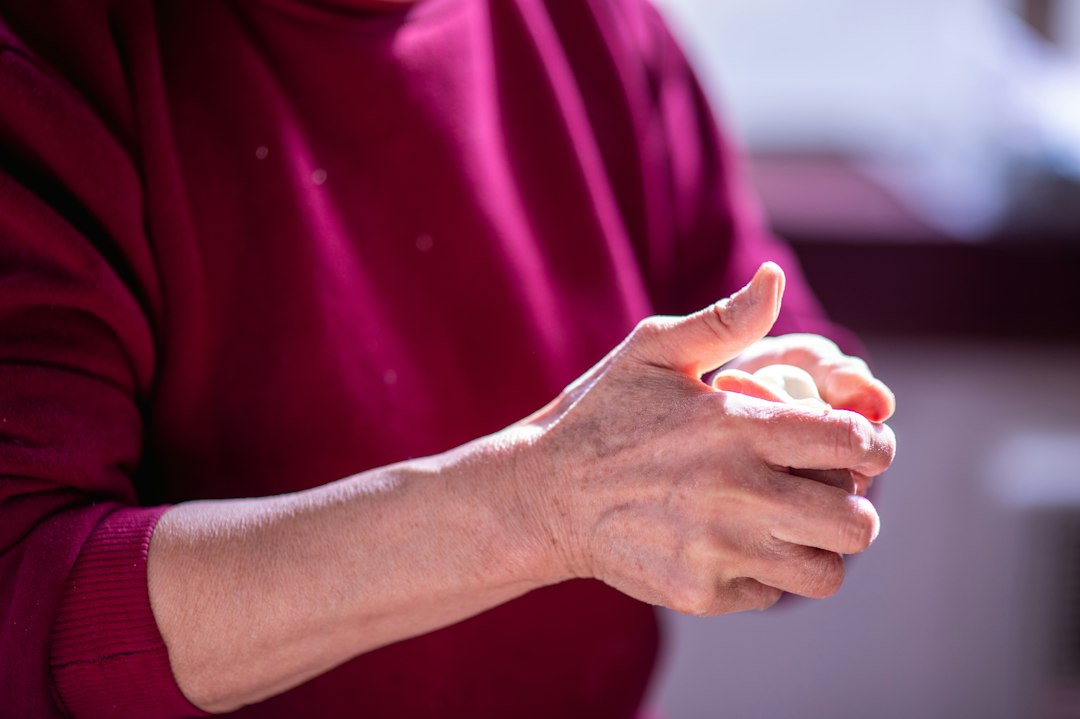
Why Hormonal Changes Trigger Joint Problems in Women Over 50
Estrogen is one of the body's most powerful anti-inflammatory molecules, and when it declines during perimenopause and menopause, joint pain often becomes noticeably worse. Women frequently report that their knees, hips, hands, and shoulders start aching in ways they never experienced before — and the timing is rarely a coincidence. Understanding the connection between estrogen decline and joint pain in women after 50 helps explain why this decade often marks a turning point in musculoskeletal health.
Estrogen affects more than reproductive health; it directly protects the cartilage that cushions your bones and regulates the inflammatory response throughout your entire body. When estrogen levels drop by up to 90% during menopause, cartilage becomes more vulnerable to breakdown, and inflammatory markers in your bloodstream spike. This is why many women experience a sudden surge in joint stiffness, swelling, and discomfort right around age 50.
The good news is that understanding this mechanism opens real pathways to prevention and management. This article explores the science behind why your joints change, what you can do to slow that change, and which lifestyle strategies actually work.
- Estrogen is a natural anti-inflammatory; its decline during menopause directly increases joint inflammation and cartilage wear
- Most women notice joint pain spike between ages 50–55, coinciding with peak estrogen loss
- Inflammatory markers in blood increase significantly after menopause, accelerating joint tissue damage
- Exercise, anti-inflammatory nutrients, and weight management can slow age-related joint decline by up to 30–40%
- Synovial fluid production drops with estrogen; this reduces natural joint lubrication and increases friction
TL;DR: Estrogen protects joints by reducing inflammation and supporting cartilage. When estrogen falls after age 50, joints become inflamed, cartilage degrades faster, and pain spikes. Diet, exercise, key nutrients, and lifestyle changes can significantly slow this process.
Comparing Joint Health at 40 vs. 60: What's Different
The transition from your 40s to your 60s marks a dramatic shift in how your joints behave. Estrogen decline accelerates after age 50, and the structural changes in your joints follow a predictable timeline. Understanding what happens at each stage helps you recognize when to act.
Changes in your 40s: The early warning signs
In your 40s, most women are still in perimenopause — a 5–10 year transition before menopause officially begins. Estrogen levels start to fluctuate wildly, and this irregularity is often the first culprit. You might notice occasional joint stiffness after exercise or minor swelling that wasn't there before.
Synovial fluid production begins to decline during this decade, reducing the natural lubrication around your joints. Many women report morning stiffness that feels new or worsening inflammation in their hands and feet. Cartilage thickness starts declining gradually, though you may not feel symptoms yet.
- Fluctuating hormones cause unpredictable inflammation patterns
- Morning stiffness becomes more common
- Joint pain after intense activity increases slightly
- Sleep quality declines (which itself worsens inflammation)
Changes in your 50s and 60s: The significant shift
Your 50s mark the point where estrogen levels drop most steeply, and joint changes accelerate dramatically. Post-menopausal women experience a 2–3 year window of rapid cartilage thinning and increased inflammatory markers in their blood. This is when most women report that joint pain becomes truly bothersome.
According to a 2022 study published in the Journal of Rheumatology, women over 55 showed significantly higher levels of pro-inflammatory cytokines and lower cartilage thickness compared to pre-menopausal controls. Additionally, connective tissue loses elasticity as collagen production slows without estrogen's support.
By your 60s, the damage is often more permanent if prevention wasn't prioritized earlier. Joint mobility decreases noticeably, and chronic pain becomes more common. However, the rate of decline can be slowed significantly with proper intervention.
| Age Range | Estrogen Levels | Typical Joint Changes |
|---|---|---|
| 40–45 | Fluctuating (perimenopause begins) | Occasional stiffness, minor swelling |
| 45–50 | Declining rapidly | Morning stiffness worsens, post-activity pain increases |
| 50–55 | Dropping steeply (menopause transition) | Noticeable cartilage thinning, inflammatory pain spikes |
| 55+ | Consistently low (post-menopause) | Chronic pain, reduced mobility, visible joint changes |
Proven Prevention Strategies for Joint Pain Related to Hormonal Changes
The window to slow joint decline is widest before age 50, but meaningful prevention works at any age. Evidence shows that consistent exercise and anti-inflammatory nutrition can reduce cartilage loss by 30–40% compared to sedentary controls. Here's what actually makes a measurable difference.
Daily habits that protect your joints
Weight management is the single most impactful factor you can control. Every extra pound places additional stress on weight-bearing joints like knees and hips, accelerating cartilage wear. Combined with consistent movement, it's one of the most powerful preventive tools available.
Low-impact exercise like walking, swimming, and cycling strengthens the muscles around your joints without creating excessive force. These habits stabilize your joints, reduce inflammation, and slow collagen breakdown. Even 30 minutes of movement most days measurably impacts long-term joint health.
- Maintain a healthy weight (reduces joint stress by 10–20%)
- Move consistently: 150+ minutes of moderate activity weekly
- Include strength training 2–3 times per week (protects cartilage)
- Prioritize sleep quality (inflammation markers drop with better rest)
- Stay hydrated (cartilage requires water to function)
- Manage stress (chronic stress elevates inflammatory markers)
Things that accelerate joint damage
Sedentary living is one of the biggest accelerators of joint decline. Without regular movement, muscles weaken and lose the ability to support and protect your joints. This vicious cycle speeds cartilage breakdown and joint stiffness.
Chronic inflammation from diet also matters significantly. Ultra-processed foods high in seed oils and refined carbohydrates increase circulating inflammatory markers. An anti-inflammatory diet slows the acceleration of joint pain during this critical period. Smoking and excessive alcohol also worsen inflammation and slow cartilage repair.
Impact activities on hard surfaces without proper training progression can accelerate wear. High-intensity exercise without adequate recovery or strength foundation places excessive stress on vulnerable joints during this transition.
Key Supplements and Nutrients Studied for Joint Health in Menopause
Research has identified specific nutrients that support joint structure and reduce inflammatory responses during the hormonal transition. While supplements cannot replace estrogen, certain compounds have shown measurable benefits for cartilage and synovial fluid health during perimenopause and menopause.
Top researched nutrients for joint preservation
Glucosamine and chondroitin have mixed evidence, but studies suggest they may slow cartilage loss in women over 50 when combined with consistent exercise. Hyaluronic acid supports synovial fluid production and joint lubrication as natural lubrication declines. Type II collagen provides the structural foundation that cartilage loses as estrogen drops.
Omega-3 fatty acids directly reduce inflammatory markers that spike after menopause. According to research in the American Journal of Clinical Nutrition, higher omega-3 intake is associated with lower joint pain scores in post-menopausal women. Vitamin D also plays a critical role; deficiency is linked to accelerated cartilage wear and higher inflammatory markers.
Curcumin (from turmeric) is one of the most-studied anti-inflammatory compounds for joint health. It directly inhibits pro-inflammatory cytokines that increase during estrogen decline. Boswellia serrata works similarly, reducing joint inflammation and supporting cartilage integrity.
What the science says about timing and dosing
Starting supplementation before age 50 produces better outcomes than waiting until pain is severe. Early intervention slows cartilage loss more effectively than treatment after damage occurs. Most studies showing benefit used 8–12 week minimum timeframes; short-term supplementation shows minimal effects.
Consistency matters more than dosage. Taking a supplement sporadically produces no measurable benefit, while daily use for 12+ weeks shows measurable changes in inflammatory markers and joint pain scores. Supplements like Joint Genesis are formulated specifically around the nutrients most linked to this condition.
- Glucosamine/chondroitin: 1,500mg glucosamine + 1,200mg chondroitin daily
- Hyaluronic acid: 100–200mg daily (research supports consistent dosing)
- Type II collagen: 10g daily shows measurable cartilage support
- Omega-3: 1,000–2,000mg EPA+DHA daily
- Vitamin D: 1,000–2,000 IU daily (adjust based on blood levels)
- Curcumin: 500–1,000mg daily with black pepper (increases absorption)
Lifestyle Modifications for Long-Term Joint Management
Sustainable changes produce better outcomes than aggressive short-term interventions. The goal is building habits you can maintain for decades, not crash protocols. Small consistent changes compound into significant joint protection over time.
Sustainable changes that work long-term
Start with one or two changes rather than overhauling everything at once. Adding 10–15 minutes of daily movement, reducing processed foods, and ensuring adequate sleep are realistic starting points. These three changes alone reduce inflammatory markers within 4–6 weeks.
Strength training doesn't require gym access or complex equipment. Bodyweight exercises, resistance bands, and water-based workouts all build the muscle support that protects your joints. Consistency trumps intensity; 20 minutes three times weekly outperforms sporadic intense sessions.
Building a sustainable routine
Schedule movement like any other appointment. Linking it to an existing routine (morning coffee walk, lunchtime swim) makes it automatic. Find activities you genuinely enjoy; adherence drops dramatically when exercise feels like punishment.
Track what helps or hurts through a simple journal. Note your activity, diet, sleep quality, and pain levels for one month. Patterns emerge that let you identify your personal triggers. Some women notice specific foods worsen swelling; others find that extra sleep reduces morning stiffness dramatically.
Join a community or find an accountability partner. Women who exercise with others maintain habits 65% longer than those exercising alone. Online groups, walking clubs, or swim classes all provide structure and social motivation.
Frequently Asked Questions About Estrogen and Joint Health
Why does joint pain get worse after menopause?
Estrogen is a potent anti-inflammatory molecule that protects cartilage and regulates immune response. When estrogen drops 90% during menopause, inflammatory markers spike, synovial fluid production decreases, and cartilage becomes more vulnerable to breakdown. This hormonal shift happens rapidly between ages 50–55