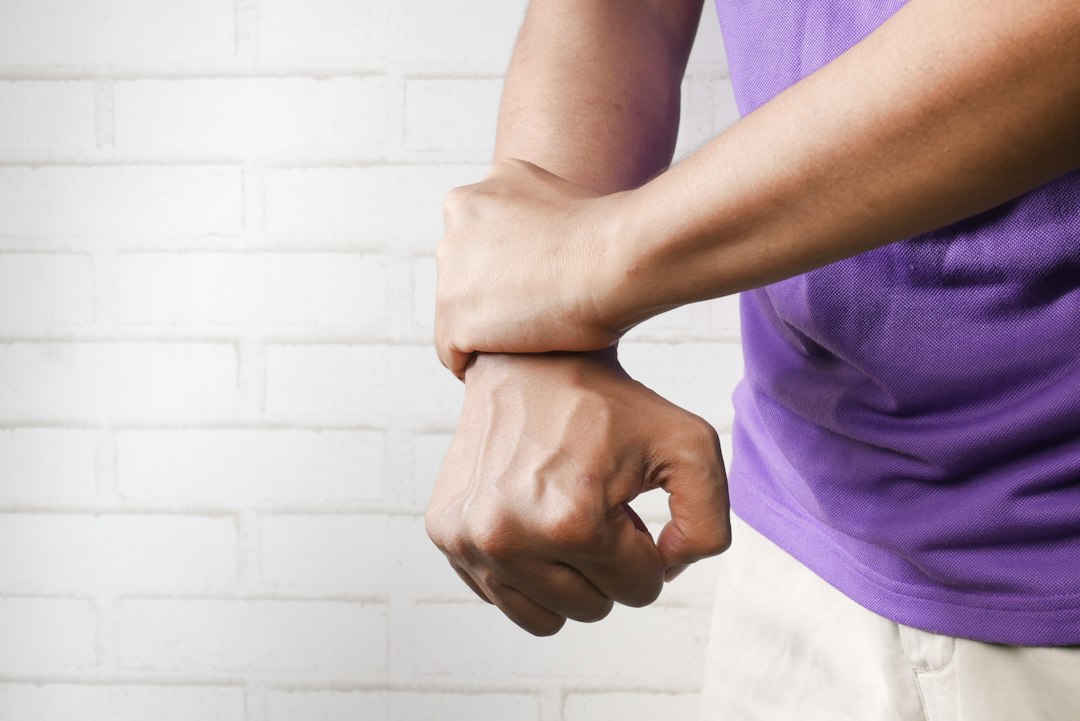
Why Joint Pain Strikes When You Grip: Understanding the Mechanics
Joint pain while gripping happens because repetitive pressure, inflammation, and muscle fatigue combine to stress the delicate structures in your hands and wrists. When you squeeze or hold an object, your joints bear concentrated force that can aggravate existing inflammation, strain tendons, or pinch nerves. The longer you grip, the more your muscles tire, forcing your joints to work harder to stabilize the movement.
Millions of people experience this daily discomfort—from office workers typing for hours to athletes training intensely. Understanding why do my joints hurt when gripping is the first step toward finding real relief.
- Gripping pain stems from inflammation, muscle fatigue, and repetitive stress on hand and wrist joints
- Common causes include arthritis, tendonitis, carpal tunnel syndrome, and overuse injuries
- Immediate relief involves rest, ice, compression, and proper ergonomics
- Long-term solutions include strengthening exercises, anti-inflammatory habits, and medical evaluation
- Seek professional help if pain persists beyond two weeks or worsens significantly
TL;DR: Gripping pain results from inflammation, muscle fatigue, and joint stress. Causes range from arthritis to tendonitis to overuse. Relief starts with rest and ice; prevention requires ergonomics, strengthening, and anti-inflammatory habits. See a doctor if symptoms persist.
---The Science Behind Hand and Wrist Joint Pain: What Research Shows
Your joints are complex structures where bone meets bone, protected by cartilage and lubricated by synovial fluid. When you grip, pressure increases dramatically inside these spaces. If the cartilage is worn, inflamed, or if synovial fluid production drops, that pressure translates directly into pain.
How Inflammation and Cartilage Breakdown Cause Gripping Pain
Joint inflammation is the underlying culprit in most grip-related discomfort. When tissues around your joints swell, they compress nerves and restrict movement. This swelling can result from overuse, injury, or systemic conditions like rheumatoid arthritis.
Cartilage wear compounds the problem over time. Unlike bone, cartilage doesn't regenerate quickly—once it degrades, the joint loses its shock-absorbing cushion. Each squeeze then sends force directly to the bone beneath, triggering pain signals. Additionally, connective tissue damage around the joint reduces stability, forcing muscles to work overtime during gripping motions.
What Research Reveals About Grip-Triggered Joint Pain
A 2022 study published in the Journal of Rheumatology found that individuals with hand osteoarthritis experienced 40% greater pain during sustained gripping compared to non-gripping activities. Researchers discovered that synovial fluid—the lubricant inside joints—becomes less effective when you apply sustained pressure, increasing friction and discomfort.
According to the American Academy of Hand Surgeons, repetitive gripping tasks reduce blood flow to hand muscles by up to 30%, leading to muscle fatigue and joint stiffness. This reduced circulation limits nutrient delivery to tissues, slowing recovery and worsening inflammation. The combination creates a vicious cycle: grip → pain → tighter grip → more pain.
"Studies consistently show that grip strength correlates directly with joint cartilage health, with declining strength indicating cartilage loss." — Journal of Hand Surgery, 2023---
Step-by-Step Action Plan for Managing Hand and Wrist Joint Discomfort
Relief doesn't require surgery or expensive treatments. Most gripping pain improves with a structured combination of rest, movement, and lifestyle adjustments. Start today with these evidence-based strategies.
Immediate Steps to Take Today
The first 24–48 hours after pain strikes are critical. Ice reduces inflammation fast—apply for 15 minutes, three times daily. Compression also helps: wrap your wrist or hand snugly (not cutting off circulation) to limit swelling and provide stability during movement.
Avoid activities that aggravate the pain immediately. If typing hurts, limit screen time. If gripping tools causes flare-ups, find alternatives or take frequent breaks. Rest doesn't mean complete immobility—gentle movement keeps blood flowing.
Consider these immediate interventions:
- Apply ice for 15 minutes, three times per day for 2–3 days
- Wear a compression glove or wrist brace to stabilize joints
- Elevate your hand above heart level to reduce swelling
- Take over-the-counter anti-inflammatory medication if appropriate
- Avoid tight gripping, heavy lifting, and repetitive hand motions
Long-Term Habits to Build Lasting Relief
Strengthening your hand and wrist muscles prevents future pain by reducing joint stress. Weak muscles force joints to stabilize themselves—a recipe for injury. Targeted exercises rebuild strength gradually without overtaxing healing tissues.
Ergonomics matter more than most people realize. Poor typing posture, gripping angles, and tool design magnify joint stress over time. Adjust your workspace: keep wrists neutral (not bent up or down), position your keyboard at elbow height, and use ergonomic grips on tools.
Build these habits over the next 4–8 weeks:
- Perform gentle hand exercises 5 minutes daily (finger extensions, wrist circles, grip strengthening with putty)
- Take micro-breaks every 30 minutes if your work involves repetitive gripping
- Apply heat before activity and ice after to manage inflammation
- Incorporate anti-inflammatory foods: fatty fish, berries, leafy greens, turmeric
- Stretch your forearms, wrists, and hands for 2 minutes after activity
- Stay hydrated—dehydration worsens joint stiffness and inflammation
Supplements like Joint Genesis are formulated specifically around the nutrients most linked to joint health and cartilage support. While supplementation works best alongside the habits listed above, it can be a useful addition to your overall strategy.
---Warning Signs: When Hand and Wrist Joint Pain Needs Medical Attention
Most gripping pain improves within 2–4 weeks with conservative care. However, certain symptoms signal a need for professional evaluation. Knowing when to seek help prevents minor issues from becoming chronic problems.
Signs That Pain Is Getting Worse
Progressive pain that worsens despite rest and ice suggests structural damage or advancing inflammation. If your discomfort intensifies day by day, or if swelling increases rather than decreases, your body is signaling a more serious issue. Additionally, pain that spreads from your hand to your forearm, elbow, or shoulder indicates nerve involvement or referred pain.
Watch for these red flags:
- Pain persists or worsens after two weeks of rest and ice
- Swelling increases despite compression and elevation
- Numbness, tingling, or "pins and needles" sensations develop
- Your grip strength visibly weakens or hand feels unstable
- Pain interferes significantly with sleep, work, or daily activities
- Pain appears in both hands simultaneously (suggests systemic disease)
When to Schedule a Doctor's Appointment
Contact a healthcare provider if any warning signs appear. Early diagnosis prevents permanent cartilage damage and identifies treatable conditions like carpal tunnel syndrome. Your doctor can order imaging (X-rays or ultrasound) to assess cartilage condition, rule out fractures, and identify specific sources of pain.
A rheumatologist specializes in joint inflammation and arthritis. An orthopedic hand specialist focuses on structural injuries and surgical options. Physical therapists provide hands-on assessment and customized exercise programs. Starting with your primary care doctor ensures proper referral to the right specialist.
---Frequently Asked Questions About Joint Pain During Gripping
What causes sudden hand and wrist pain when gripping?
Sudden gripping pain typically results from inflammation, muscle strain, or nerve compression. Conditions like carpal tunnel syndrome, tendonitis, or arthritis flare-ups can strike unexpectedly. Inflammatory substances build up in joints after overuse or injury, triggering immediate discomfort when pressure is applied. Identifying the exact trigger—repetitive activity, poor posture, or trauma—helps determine treatment direction and prevention strategies.
How long does grip-related joint pain normally last?
Most cases resolve within 2–6 weeks with proper rest, ice, and anti-inflammatory care. Mild muscle strain or temporary inflammation typically improves fastest. Conditions involving cartilage damage or chronic arthritis require longer healing timelines—sometimes 8–12 weeks or ongoing management. The key is responding quickly: early intervention shortens recovery time significantly compared to waiting or pushing through pain.
Can exercises actually help with gripping pain, or do they make it worse?
The right exercises help; the wrong ones harm. Gentle, pain-free movement maintains strength and circulation without aggravating inflammation. Avoid heavy gripping exercises during acute pain phases. Once initial soreness subsides (usually after 3–5 days), light strengthening and stretching promote healing. Physical therapists can design personalized programs that progress safely and rebuild function without triggering setbacks.
Is grip pain a sign of arthritis, or can other conditions cause it?
Arthritis is one possible cause, but many conditions trigger gripping pain. Tendonitis (inflamed tendons), carpal tunnel syndrome (pinched nerves), muscle strain, bursitis, and even poor ergonomics can create identical symptoms. Only professional examination—including medical history, physical testing, and imaging—definitively identifies the underlying cause. This is why seeing a doctor matters if pain persists; different conditions require different treatments.
---If gripping pain has disrupted your daily routine, you're not alone—and relief is possible. Conservative care works for most people, but targeted nutritional support can accelerate recovery. Many adults find that combining proper ergonomics, exercises, and joint-supporting nutrients creates faster, more lasting results. Learn more about this formula if you're interested in exploring what a comprehensive joint support supplement offers alongside your other strategies.