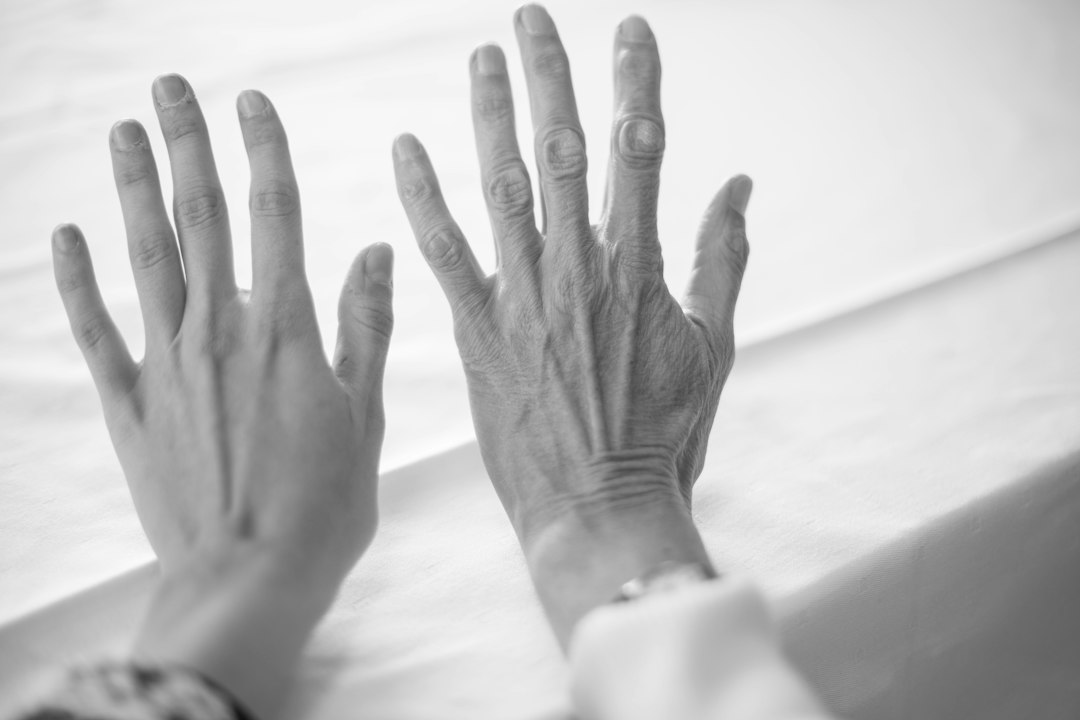
Why Your Hands Show Age Before Other Joints: The Science of Early Joint Wear
Small joints in your hands and fingers are often the first places arthritis appears, sometimes years before pain shows up elsewhere in your body. This happens because finger joints experience constant movement, limited muscle protection, and unique structural vulnerabilities that larger joints don't face. If you've noticed stiffness in your knuckles or morning pain in your fingers, your body may be sending an early warning signal about joint health that deserves attention. Understanding why finger joint pain arthritis hands first develop this way helps you catch problems early and take meaningful action.
Quick Summary
- Hand joints are smaller and thinner-cartilaged than larger joints, making them vulnerable to wear.
- Your fingers move thousands of times daily, accelerating cartilage breakdown over decades.
- Limited muscle support around hand joints means bones absorb more direct impact and stress.
- Early warning signs include morning stiffness, swelling at the knuckle, and reduced grip strength.
- Lifestyle changes, targeted nutrients, and preventive habits can slow progression significantly.
TL;DR: Hand and finger joints show age first because they're structurally smaller, constantly active, and poorly protected by muscle. Early signs include morning stiffness and swelling. Lifestyle strategies and proper nutrition can help preserve hand function and delay progression of joint issues.
---What Causes Hand and Finger Joint Pain: The Mechanics Behind Early Wear
Why Small Joints Break Down Faster Than Large Ones
Hand joints are simply built differently than hips or knees, and that structural difference matters enormously. Cartilage in finger joints is thinner—sometimes only 1-2 millimeters thick—compared to 3-4 millimeters in larger weight-bearing joints. When you add constant motion to this thin protective layer, wear accelerates predictably over time.
A 2021 study published in Osteoarthritis and Cartilage found that hand osteoarthritis often begins 10-15 years before knee or hip symptoms appear in the same individuals. The research revealed that cartilage degradation happens faster in smaller joints because they undergo higher repetitive stress relative to their surface area.
Repetitive Motion and Insufficient Muscle Protection
Your hands perform between 50,000 and 100,000 individual movements every single day. Typing, gripping, pinching, and reaching all place microscopic stress on cartilage fibers that accumulate over decades.
Unlike your hips or knees—which are surrounded by large muscle groups that absorb shock—hand joints have minimal muscular support. The small intrinsic hand muscles are designed for precision, not protection. This means cartilage bears the direct impact of each movement without much buffering. Additionally, synovial fluid, the natural lubricant that nourishes and protects cartilage, cannot keep pace with the constant demand in small joints.
- Finger joints move thousands of times daily without significant muscle cushioning.
- Limited synovial fluid production struggles to protect thin cartilage layers.
- Connective tissue degradation accelerates under repetitive mechanical stress.
- Joint inflammation can begin silently, years before pain appears.
Early Warning Signs: When to Notice Hand and Finger Joint Problems
The First Signals Your Body Sends
Morning stiffness lasting 15-30 minutes is often the earliest reliable warning sign of joint issues in the hands. Your fingers feel stiff immediately upon waking because synovial fluid hasn't circulated overnight, and cartilage surfaces haven't warmed up yet.
Mild swelling at the knuckles—even without pain—indicates that early inflammation is already present. This swelling reflects your body's attempt to stabilize stressed joints, and it often appears and disappears based on activity level and sleep position.
How Symptoms Progress Over Time
Most people miss these early signs because they're subtle and often disappear after a few hours of movement. The problem is that ignoring these signals allows progressive cartilage loss to continue unchecked. As weeks and months pass, symptoms may include grip weakness, difficulty opening jars, or clicking sounds in your knuckles.
According to research in the Journal of Rheumatology, people who identify hand joint problems within the first 6-12 months of symptom onset respond significantly better to intervention than those who wait years. Early detection genuinely changes outcomes.
Common early symptoms include:
- Morning stiffness in fingers and knuckles (15-45 minutes).
- Mild swelling at the knuckle joint that worsens with activity.
- Reduced grip strength or difficulty with fine motor tasks.
- Clicking, cracking, or popping sensations in finger joints.
- Pain that worsens in cold weather or after prolonged inactivity.
- Slight redness or warmth around affected joints.
Natural Approaches to Managing Hand and Finger Joint Health
Movement and Ergonomic Strategies
Gentle, consistent movement actually protects hand joints better than rest. Regular finger exercises maintain cartilage nutrition by promoting synovial fluid circulation. Simple activities like making fists, extending fingers slowly, and rotating wrists improve mobility without strain.
Ergonomic adjustments prevent unnecessary joint stress during daily activities. Positioning your keyboard at elbow height, taking typing breaks every 30 minutes, and avoiding prolonged gripping positions all reduce cumulative stress on connective tissue and joints over time.
Heat, Cold, and Daily Habits
Warm water soaks for 10-15 minutes in the morning reduce stiffness and increase synovial fluid mobility before activity. Cold therapy works better after activity to reduce swelling and inflammation that follows overuse.
Sleep position matters significantly—keeping your hands in a neutral, slightly flexed position prevents overnight stiffening. Compression gloves worn during sleep can reduce morning swelling in many people by maintaining consistent joint alignment throughout the night.
- Perform gentle finger exercises 2-3 times daily for 5-10 minutes each.
- Take frequent breaks during repetitive hand-intensive tasks.
- Use warm water soaks before activity and cold therapy after activity.
- Wear compression gloves during sleep to maintain neutral position.
- Avoid prolonged gripping or pinching that strains small joints.
Nutrition and Key Nutrients for Hand Joint Health
Critical Nutrients That Protect Cartilage
Glucosamine and chondroitin directly support cartilage structure and repair mechanisms. These compounds provide building blocks your body uses to maintain cartilage thickness and resilience. Studies show consistent intake correlates with slower cartilage loss in people experiencing early joint symptoms.
Omega-3 fatty acids reduce joint inflammation and improve synovial fluid quality. Unlike omega-6 fats (found in processed foods), omega-3s actively suppress inflammatory markers that damage cartilage and connective tissue over time.
Foods to Emphasize and Those to Limit
Fatty cold-water fish—salmon, mackerel, and sardines—contain high-quality omega-3 fats and vitamin D, both essential for joint health. Colorful vegetables like beets and leafy greens provide antioxidants that slow cartilage degradation.
Foods high in refined sugar and seed oils actively increase joint inflammation. Limit processed foods, sugary drinks, and fried items if hand pain is a concern. Alcohol accelerates cartilage loss by interfering with nutrient absorption and promoting inflammatory responses.
- Eat cold-water fish 2-3 times weekly for omega-3 fatty acids.
- Include colorful vegetables for antioxidant protection against cartilage wear.
- Add bone broth or collagen-rich foods to support connective tissue structure.
- Avoid refined sugars, seed oils, and fried foods that increase inflammation.
- Stay hydrated—water supports synovial fluid production and joint lubrication.
Frequently Asked Questions About Hand and Finger Joint Pain
What is the difference between osteoarthritis and rheumatoid arthritis in the hands?
Osteoarthritis results from wear-and-tear cartilage breakdown over time, while rheumatoid arthritis is an autoimmune condition where your immune system attacks joint linings. Osteoarthritis typically affects one side of your body first and develops gradually; rheumatoid arthritis usually affects both hands symmetrically and causes sudden, symmetric swelling. Both cause morning stiffness, but rheumatoid arthritis often includes fatigue and affects other joints. Testing with a rheumatologist can distinguish between them definitively using blood tests and imaging.
Can you reverse early finger joint damage?
Complete cartilage regeneration isn't possible with current treatments, but early intervention can halt or slow progression significantly. Starting lifestyle changes, anti-inflammatory nutrition, and targeted exercises within the first 6-12 months of symptoms produces the best outcomes. Some people experience symptom reversal—pain and swelling disappear—even though cartilage hasn't fully regrown. Recovery depends on severity, consistency with preventive habits, and individual healing capacity. Waiting longer makes reversal increasingly difficult as damage deepens.
Why do hand joint symptoms get worse in cold weather?
Cold temperatures cause synovial fluid to thicken, reducing its protective effectiveness around cartilage. Blood vessels constrict in cold, limiting nutrient delivery to joints while stiffness increases. Barometric pressure drops often accompanying cold fronts cause tissues around joints to expand slightly, increasing internal pressure and discomfort. Muscle tension also increases in cold, putting additional stress on already-vulnerable connective tissue and joint structures. Keeping hands warm and moving frequently during winter minimizes these effects.
Is hand joint pain inevitable as you age?
Hand joint discomfort is common but not inevitable—many people maintain healthy hand function throughout life with preventive habits. Genetics play a role, but lifestyle factors like movement patterns, nutrition, and stress management significantly influence outcomes. People who maintain consistent hand exercises, consume anti-inflammatory foods, and avoid repetitive strain report substantially fewer symptoms than sedentary individuals eating processed diets. Starting preventive strategies before symptoms appear is far more effective than treating established problems, making proactive health choices genuinely protective.
---If you're experiencing hand or finger joint pain, you've likely noticed how much it affects daily life. While lifestyle changes and nutrition provide a strong foundation, many people explore targeted supplements to support joint health from within. Learn more about this formula designed to support joint comfort and mobility—a complement to the strategies we've discussed here.