Introduction
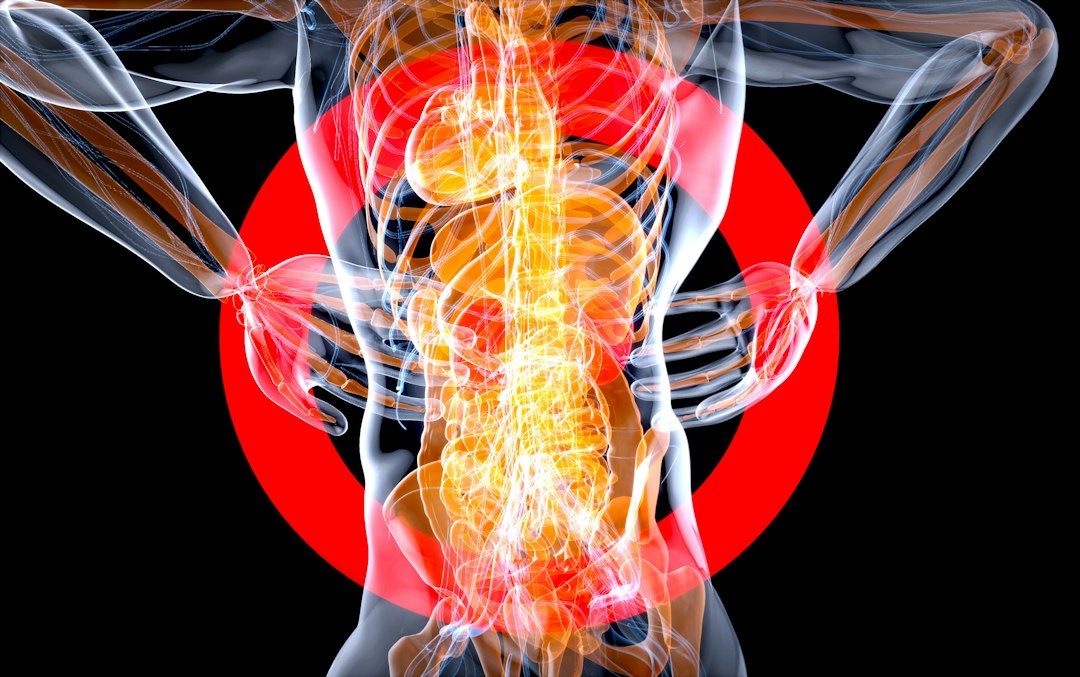
Joint inflammation is one of the most common complaints among adults over 40, yet many people don't fully understand how it actually limits their movement. You might notice you can't reach as high on a shelf, bend down as easily, or rotate your shoulder the way you used to. These changes aren't just inconvenient—they're often a direct result of inflammation restricting your joints. Understanding how does joint inflammation reduce range of motion can help you recognize early warning signs and take meaningful action. This article explains the mechanics behind joint stiffness, what causes inflammation in the first place, and practical steps you can take to maintain better mobility as you age.
What Causes Joint Inflammation in Adults Over 40
Joint inflammation develops through several interconnected mechanisms that become increasingly common as we age. The most prevalent cause is osteoarthritis, where the protective cartilage lining joints gradually wears down, exposing the bone beneath. A 2019 study published in the Lancet showed that over 10% of men and 18% of women aged 60 and older have symptomatic osteoarthritis. Beyond wear-and-tear, inflammatory conditions like rheumatoid arthritis—an autoimmune disorder—trigger the body to attack joint tissues, creating persistent inflammation.
Lifestyle factors play a significant role in joint inflammation too. Excess body weight places additional stress on weight-bearing joints like the knees, hips, and ankles, prompting an inflammatory response. Research from the American Journal of Clinical Nutrition (2020) found that every kilogram of weight gain increases knee joint stress by approximately 4 kilograms during normal walking. Repetitive strain from work or hobbies, previous injuries that didn't heal completely, and sedentary habits all contribute to inflammation. Additionally, nutritional deficiencies—particularly in omega-3 fatty acids, vitamin D, and antioxidants—reduce the body's ability to manage inflammatory responses. Age itself changes the way our immune system functions, making inflammation more likely to develop and persist.
Understanding the Signs and Symptoms of Joint Inflammation
Joint inflammation manifests through several distinct warning signs that many adults attribute to "just getting older." The most obvious symptom is stiffness, particularly after periods of rest or first thing in the morning. This stiffness often improves with gentle movement but returns after prolonged activity. You might also experience swelling around the affected joint, where the area appears larger or puffy due to fluid accumulation within the joint capsule. Warmth and redness around the joint are additional indicators, as inflammation increases blood flow to the area.
Pain is, of course, a primary symptom, though it varies widely. Some people experience sharp, stabbing pain with certain movements, while others report a dull, constant ache. Clicking, popping, or grinding sensations—medically termed crepitus—occur when the smooth cartilage surface becomes rough. A 2021 study in Arthritis Care & Research found that 60% of adults over 50 with joint inflammation report morning stiffness lasting 30 minutes or longer.
The most functionally limiting symptom is reduced range of motion. As inflammation worsens, the joint becomes increasingly restricted. You might notice you can't extend your arm fully, squat as deeply, or turn your head as far. This happens gradually—most people don't wake up one day unable to move; instead, they slowly notice their limits shrinking over weeks and months. Recognizing these early signs is crucial because early intervention often prevents more severe mobility loss.
How Joint Inflammation Reduces Your Range of Motion
The connection between inflammation and restricted movement involves several physical processes happening inside your joint. When inflammation occurs, the synovial membrane—a thin tissue lining the joint—thickens and produces excess fluid. This swelling increases pressure within the joint capsule, which signals pain receptors and causes the surrounding muscles to tighten protectively. Your body essentially goes into a defensive mode, limiting movement to prevent further perceived injury.
The inflammatory process also damages cartilage, the smooth tissue that allows bones to glide past each other. As cartilage erodes, the joint surface becomes uneven and rough. Instead of smooth movement, bones begin to stick and catch, creating resistance. Additionally, inflammation triggers fibrosis—the development of scar tissue around the joint. This fibrous tissue acts like internal adhesions, physically preventing the joint from moving through its full range. A 2020 study in the Journal of Orthopaedic Research demonstrated that inflammatory cytokines directly inhibit the production of new cartilage while accelerating cartilage breakdown.
Muscle weakness compounds the problem. When joints hurt, people naturally use them less, causing surrounding muscles to atrophy. Weaker muscles provide less support to the joint, making inflammation worse and further limiting how far you can move. This creates a vicious cycle: inflammation causes pain → pain causes you to move less → less movement causes muscle weakness → weak muscles allow more inflammation. Understanding this cascade is why how does joint inflammation reduce range of motion isn't just about the inflammatory process itself—it's about the interconnected systems that inflammation disrupts.
Impact on Daily Life and Functional Ability
Reduced joint range of motion doesn't stay confined to obvious movements. It infiltrates everyday activities that most people take for granted. Reaching into cabinets, washing your back in the shower, driving comfortably, or playing with grandchildren all require specific ranges of motion that inflammation restricts. Many adults over 40 report that joint stiffness forces them to modify how they perform basic tasks, often without realizing the underlying cause.
The psychological impact is equally significant. Losing physical independence creates frustration and sometimes depression. People begin avoiding activities they once enjoyed—golf, gardening, dancing—not because they truly can't do them, but because they've internalized the fear that movement will cause pain. This avoidance accelerates muscle loss and joint stiffness. Research from the Arthritis Foundation found that adults with joint inflammation are significantly more likely to report reduced quality of life and social isolation. The financial impact also matters; missed work, medical appointments, and the need for adaptive equipment or assistance add up quickly. By understanding that inflammation causes these functional losses, you're better equipped to address the root problem rather than simply accepting limitations.
Natural Approaches and Lifestyle Modifications
Managing joint inflammation effectively requires a multi-faceted approach combining movement, load management, and environmental adjustments. Consistent, gentle exercise is among the most evidence-based interventions. A 2022 meta-analysis in Sports Medicine found that regular low-impact exercise like swimming, water aerobics, and tai chi reduced joint pain and improved range of motion in 75% of participants. These activities strengthen surrounding muscles without placing excessive stress on damaged joints. Importantly, you need to maintain consistency; sporadic activity provides minimal benefit.
Heat and cold therapy offer immediate relief. Heat increases blood flow and relaxes muscle tension, making it ideal for stiffness—particularly morning stiffness. Cold reduces swelling and numbs pain temporarily, working better after activity-triggered inflammation. Many people find that alternating between them provides optimal results.
Weight management deserves emphasis for those carrying extra pounds. Even a 5-10% reduction in body weight significantly decreases joint stress and inflammatory markers. Sleep quality matters too; during deep sleep, your body repairs tissues and regulates inflammatory cytokines. Poor sleep accelerates inflammation. Additionally, stress management through meditation, breathing exercises, or counseling reduces cortisol and inflammatory markers.
Posture and ergonomics prevent unnecessary joint strain. Poor posture creates imbalances that overload certain joints while underusing others. Evaluating your workspace, sleeping position, and daily movement patterns can identify problematic habits worth correcting. Finally, avoid repetitive motions that aggravate specific joints, and use assistive devices when appropriate—jar openers, reaching tools, or cushioned grips—to reduce strain.
Nutritional Support for Joint Health
Your diet directly influences inflammatory markers throughout your body. Foods rich in omega-3 fatty acids—including fatty fish like salmon and mackerel, flaxseeds, and walnuts—possess natural anti-inflammatory properties. A 2015 study in the American Journal of Clinical Nutrition found that participants consuming high omega-3 diets showed reduced joint inflammation markers compared to controls. Conversely, foods high in omega-6 polyunsaturated fats without adequate omega-3 balance (common in processed foods and seed oils) promote inflammation.
Antioxidant-rich foods combat inflammatory compounds. Berries, particularly blueberries and tart cherries, contain anthocyanins that reduce inflammatory cytokines. Colorful vegetables like spinach, kale, and broccoli provide polyphenols and vitamin K, which protects cartilage. Research published in Nutrients (2021) showed that people consuming high antioxidant diets experienced 30% less joint pain progression over two years.
Vitamin D deficiency is particularly common in adults over 40 and strongly linked to increased inflammation. Your body cannot produce adequate vitamin D without sufficient sun exposure, making supplementation or targeted food sources important. Similarly, vitamin C supports collagen synthesis—the primary protein in cartilage. Citrus fruits, peppers, and kiwis are excellent sources. Calcium and magnesium maintain bone density around joints, while ginger and turmeric contain curcumin, which numerous studies confirm reduces inflammatory markers comparable to some pharmaceutical anti-inflammatories. This is why many adults turn to targeted nutritional support—Joint Genesis combines several of these key nutrients specifically to address the deficiencies most linked to joint inflammation.
Frequently Asked Questions
Q: How long does it take for joint inflammation to affect range of motion? A: Timeline varies significantly between individuals. Acute inflammation from injury can reduce motion within hours. Chronic inflammatory conditions like osteoarthritis typically progress gradually over months to years. Some people experience noticeable stiffness within weeks of beginning inflammatory processes, while others show minimal range of motion loss despite significant inflammation. Factors like age, individual inflammatory response, and previous joint injuries influence progression speed.
Q: Can range of motion be restored once inflammation damages it? A: Partial restoration is often possible through consistent rehabilitation, but depends on cartilage damage severity. If cartilage remains relatively intact, reducing inflammation through lifestyle changes, exercise, and nutrition frequently improves range of motion significantly. Once cartilage is severely eroded, recovery is more limited, though management still improves function. Physical therapy specifically targeting the affected joints shows the best results for restoration.
Q: Is joint inflammation different from joint pain? A: While related, inflammation and pain are distinct. Inflammation is the physiological response—actual swelling, fluid accumulation, and tissue changes. Pain is how your nervous system interprets inflammation. You can have significant inflammation with minimal pain (or vice versa), though they usually occur together. This distinction matters because treating inflammation addresses the root cause, whereas pain medication only manages symptoms.
Next Steps for Managing Your Joint Health
Dealing with joint inflammation and restricted mobility can be frustrating, especially when basic lifestyle changes alone aren't providing the relief you need. Many adults find that combining movement, weight management, and targeted nutritional support offers more comprehensive results. Learn more about Joint Genesis and how its formulation addresses the specific nutritional factors discussed throughout this article to see if it might complement your joint health strategy.