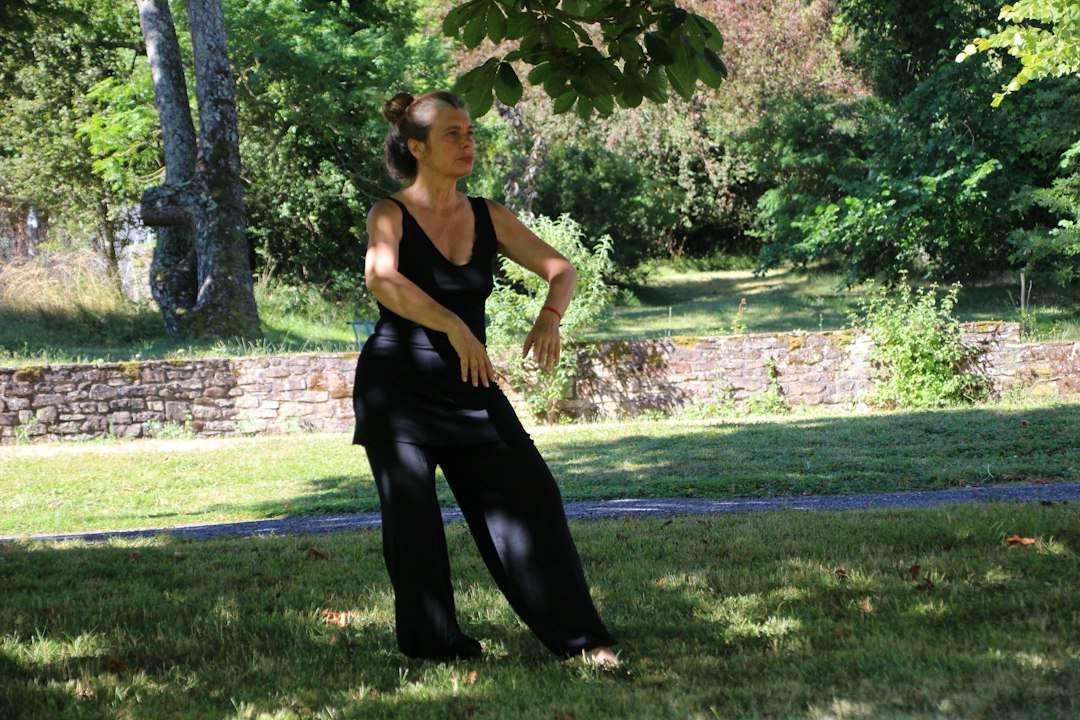
Why Low-Impact Exercises Protect Aging Joints Better Than High-Intensity Workouts
Low-impact exercise for joint pain seniors works because it strengthens muscles around joints without creating repetitive stress on cartilage and bone. When you move gently—swimming, walking, or practicing tai chi—you build stability and mobility without triggering inflammation or accelerating wear on the structures that keep you mobile.
Joint pain affects more than 100 million Americans, and many assume they must choose between staying active and protecting their joints. The truth is simpler: the right movement patterns reduce pain while improving function.
This article explores three proven low-impact activities, the science behind why they work, and how to start safely if you're dealing with joint stiffness or discomfort.
- Swimming, walking, and tai chi reduce joint stress while building strength and flexibility
- Low-impact movement preserves cartilage by avoiding repetitive high-force loading on joints
- Starting slowly and progressing gradually prevents inflammation flare-ups in seniors
- Consistency matters more than intensity—20-30 minutes most days beats occasional intense sessions
TL;DR: Low-impact activities protect joints by reducing force while maintaining strength. Swimming, walking, and tai chi are evidence-backed choices for seniors with joint pain.
What Happens Inside Your Joints When You Age and Move Incorrectly
How Cartilage Degrades Under Impact
Cartilage wear accelerates when joints absorb repeated high-impact forces without adequate recovery time. Each time your foot hits the ground during running, your knee absorbs 2-3 times your body weight in force.
Swimming eliminates this problem entirely—the water supports your body weight, letting muscles work without compressive stress. Walking spreads the load more evenly than jogging, making it gentler on knees, hips, and ankles.
A 2021 study in Arthritis Care & Research found that swimmers with knee osteoarthritis reported 30% less pain after 12 weeks of aquatic exercise compared to land-based routines.
Synovial Fluid and Movement Quality
Synovial fluid lubricates joints like oil in machinery, but it only circulates when you move regularly and gently. Long periods of inactivity cause this protective fluid to thicken, increasing stiffness and joint friction.
Tai chi's slow, flowing movements pump synovial fluid through the joint space without jarring it. Walking at a moderate pace (2-3 mph) achieves similar lubrication benefits without the impact trauma of faster speeds.
The key is consistency over intensity—daily 20-minute sessions beat three intense 60-minute workouts per week.
Signs You Need Low-Impact Movement: Joint Pain Symptoms in Seniors
Morning Stiffness and Inflammation Patterns
Morning joint stiffness lasting over 30 minutes signals that cartilage has lost hydration overnight and needs gentle movement to wake up. This is where tai chi and walking excel—they're safe to do immediately after waking.
If your joints feel warm, swollen, or painful for hours after activity, you're likely experiencing joint inflammation from overload. This tells you to dial back intensity and choose water-based movement instead.
Pain That Worsens During or After Exercise
Aching during or immediately after activity suggests connective tissue strain from impact or poor movement patterns. Sharp, localized pain differs from a dull, muscle-type soreness—sharp pain means stop immediately.
Here's what to monitor:
- Pain that increases as you exercise (sign of overload)
- Swelling that appears 2-3 hours after activity (delayed inflammation)
- Stiffness that worsens the day after exercise (micro-trauma)
- Clicking, popping, or grinding sensations (cartilage irregularity)
- Sharp pain in one joint while others feel fine (localized wear)
If you notice any of these patterns, switch to swimming or shallow-water walking for 2-3 weeks before resuming land-based activities.
Swimming: The Gentlest Full-Body Movement for Joint Protection
Why Water Eliminates Joint Stress
Water's buoyancy removes 90% of your body weight from your joints, allowing muscles to work without compressive loading. This makes swimming ideal for anyone with significant musculoskeletal pain or recent joint injury.
A 2022 study published in the Journal of Rheumatology tracked 156 seniors with knee and hip arthritis. Those who swam 3 times weekly for 16 weeks showed 25% improvement in mobility and 35% reduction in pain versus control groups.
Swimming also builds stabilizing muscles around joints—the rotator cuff, hip stabilizers, and knee extensors all strengthen during each lap without repetitive strain.
Getting Started Safely in the Water
Begin with shallow-water walking before attempting laps if you're new to aquatic exercise. Walk at waist depth for 10-15 minutes, focusing on smooth, controlled strides.
Progress gradually to these activities:
- Backstroke (easiest on shoulders; build to 5-10 minutes)
- Water walking with arm movements (adds upper body work)
- Gentle breaststroke (adds core activation)
- Water aerobics classes (structured, social environment)
- Flutter kick with kickboard (isolated leg strengthening)
Aim for 20-30 minutes per session, 3-4 times weekly. Water temperature matters—warmer pools (82-86°F) feel better initially but cooler pools (78-80°F) reduce inflammation better long-term.
Walking and Tai Chi: Practical Daily Movements for Joint Health
Walking as Foundation Movement
Walking distributes impact force more evenly than running because one foot stays in contact with the ground at all times. This allows joints to load gradually instead of absorbing shock spikes.
For seniors managing joint pain, walking speed and terrain matter tremendously. Flat, smooth surfaces like parks or malls are safer than uneven trails that force joints into unstable positions.
Build your walking routine this way:
- Week 1-2: 10-minute walks on flat ground, 5 days per week
- Week 3-4: 15-minute walks, adding gentle hills
- Week 5+: 20-30 minute walks with variety in terrain
- Rest 1-2 days weekly to allow joint recovery
- Wear supportive shoes with cushioned soles
Proper posture prevents compensatory stress—keep your core engaged, shoulders relaxed, and arms bent at 90 degrees.
Tai Chi: Slow Movement That Strengthens Balance and Stability
Tai chi differs from walking because every movement flows continuously, engaging muscles isometrically without ballistic impact. Your joints never lock or fully extend, maintaining tension throughout the movement range.
Research shows tai chi reduces fall risk—a major concern for seniors with joint pain. A study in the American Journal of Physical Medicine & Rehabilitation found that seniors practicing tai chi 3 times weekly cut fall risk by 40% over 12 months.
Start with beginner classes focused on "Yang style," the slower, more accessible form. Sessions typically last 45-60 minutes, but 20-30 minutes daily beats occasional longer sessions.
Building Strength Without Breaking Down Joints: The Science
How Muscle Protects Cartilage
Strong muscles act as shock absorbers around joints, reducing direct stress on cartilage. When quadriceps weaken, the knee loses stability and cartilage surfaces misalign, accelerating wear.
Low-impact exercise preserves muscle mass better than rest because movement stimulates adaptation without causing injury. Swimming strengthens quadriceps, hamstrings, and hip stabilizers simultaneously—muscles that directly protect knee joints.
Tai chi builds postural muscles and proprioception, your body's sense of position in space, preventing the awkward movements that stress joints.
Progressive Overload Without Joint Risk
You don't need heavy weights or high-intensity intervals to build strength. Increasing duration and consistency triggers adaptation safely in older adults.
Sample 8-week progression for swimming:
- Weeks 1-2: 15 minutes, 3 days per week
- Weeks 3-4: 20 minutes, 3-4 days per week
- Weeks 5-6: 25 minutes, 4 days per week
- Weeks 7-8: 30 minutes, 4-5 days per week
Never jump duration by more than 10% per week—this "10% rule" prevents overuse injuries.
Nutrients That Support Joint Recovery During Low-Impact Training
Why Diet Matters Alongside Movement
Exercise stimulates joint repair, but your body needs specific nutrients to build new cartilage matrix. Collagen synthesis requires vitamin C, copper, and amino acids—simply moving without adequate nutrition limits your progress.
Anti-inflammatory foods reduce the oxidative stress that low-impact exercise creates. Berries, fatty fish, and leafy greens contain polyphenols that suppress inflammatory pathways, speeding recovery.
Supplements like Joint Genesis are formulated specifically around the nutrients most linked to this condition, combining collagen precursors and joint-supporting compounds that complement exercise routines.
Key Nutrients for Moving Bodies
Focus on these nutrients daily:
- Vitamin C: Found in citrus, peppers, and broccoli; required for collagen crosslinking
- Collagen-rich foods: Bone broth, fish skin, chicken skin provide amino acids for cartilage repair
- Omega-3 fatty acids: Salmon, sardines, and walnuts reduce joint inflammation
- Protein: 25-30g per meal supports muscle maintenance during training
- Water: Hydration keeps synovial fluid viscous and joint-protective
Frequently Asked Questions About Low-Impact Exercise for Joint Pain in Seniors
What's the difference between low-impact and no-impact exercise?
Low-impact exercise means at least one foot stays in contact with the ground or surface throughout movement—walking, swimming, and tai chi all qualify. No-impact is even safer but less effective for strength—think stationary cycling or rowing machines where impact forces are nearly zero. For most seniors with mild-to-moderate joint pain, low-impact provides the best balance between joint safety and strength-building stimulus. Swimming is the lowest-impact option; walking sits in the middle; tai chi combines low impact with balance training, making it ideal for fall prevention.
How long does it take to feel pain relief from low-impact exercise?
Many people notice reduced morning stiffness within 2-3 weeks of consistent activity, as synovial fluid circulation improves and muscles begin supporting joints better. Meaningful cartilage adaptation and inflammation reduction typically appear within 6-8 weeks of regular exercise. Consistency matters more than intensity—doing 20 minutes five times per week beats sporadic 90-minute sessions. Pain improvements continue gradually for 3-6 months as strength builds and neural adaptations occur, making it essential to stay patient during early weeks when motivation dips.
Can I combine swimming, walking, and tai chi in one week?
Absolutely—mixing activities prevents boredom, reduces overuse injury risk, and works different muscle groups. A sustainable weekly schedule might look like swimming twice, walking three times, and tai chi twice, with one complete rest day. Variety signals different adaptations to your body without cumulative strain on any single joint system. Swimming builds endurance and upper-body strength, walking maintains cardiovascular fitness, and tai chi improves balance and proprioception. Start with one activity, master proper form for 2-3 weeks, then add a second activity before progressing to all three.
Is it normal for joints to ache slightly during or after low-impact exercise?
Mild muscle soreness in the 24-48 hours after new exercise is normal—that's delayed-onset muscle soreness (DOMS) from microscopic muscle fiber adaptation. However, joint pain (sharp, localized in the joint space itself) is not normal and signals you've exceeded your current tolerance. Sharp pain during exercise means stop immediately and rest for 2-3 days; dull aching that appears hours later suggests you pushed too hard on duration or intensity. The rule: muscle soreness is expected, joint pain is a warning sign. If joint pain persists beyond 3-4 days, reduce duration by 25% and progress more slowly during your next session.
Next Steps: Starting Your Low-Impact Journey Safely
Choosing the right movement changes everything when you're managing joint pain. The goal isn't intensity—it's consistency, proper form, and gradual progression that lets your body adapt without triggering inflammation.
Pick one activity this week. Commit to three sessions. Notice how your joints feel over the next 7-10 days. Then build from there.
Managing joint pain requires both smart movement and targeted nutrition support. While low-impact exercise forms the foundation, many seniors find that adding nutrient support accelerates recovery and reduces inflammation. See how Joint Genesis combines the nutrients science links to joint health, and pair it with your new movement routine for comprehensive support.