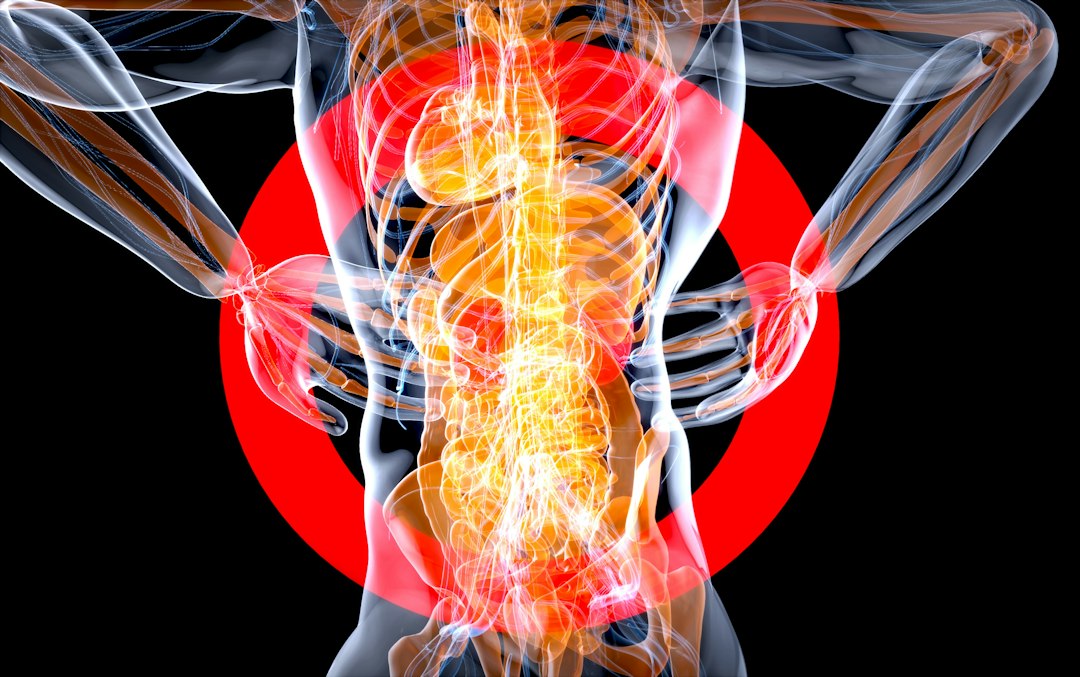
Why Lupus Joint Pain Feels Different From Osteoarthritis—And Why That Matters
Lupus-related arthritis and osteoarthritis cause joint pain, but they damage joints in completely different ways. Lupus is an autoimmune condition where your immune system attacks joint tissue, while osteoarthritis happens when cartilage gradually wears down over time. Understanding which type you have changes everything about treatment and what to expect.
Women experience lupus joint pain arthritis symptoms women at rates three to four times higher than men, yet many don't realize their autoimmune arthritis differs fundamentally from the wear-and-tear kind. The confusion matters because treating autoimmune arthritis requires controlling inflammation at the source, not just managing pain.
This article breaks down how to spot the difference, what actually happens inside your joints, and practical steps you can take today to manage symptoms.
- Lupus arthritis is autoimmune—your immune system attacks joint linings. Osteoarthritis is mechanical—cartilage wears away over decades.
- Lupus typically strikes smaller joints symmetrically (both wrists, both hands). Osteoarthritis often affects weight-bearing joints unevenly.
- Lupus flares come and go unpredictably. Osteoarthritis pain worsens gradually and steadily with age.
- Women account for 90% of lupus diagnoses, making this condition particularly important to recognize early.
- Anti-inflammatory diet, targeted exercise, and medical treatment work together—neither alone fully controls autoimmune arthritis.
TL;DR: Lupus is an autoimmune disease where the immune system attacks joint tissue, causing unpredictable flares and affecting smaller joints symmetrically. Osteoarthritis is age-related cartilage breakdown that worsens gradually. Women are disproportionately affected by lupus. Both require different treatment approaches—autoimmune arthritis needs inflammation control; osteoarthritis needs joint support and mobility work.
The Real Difference Between Autoimmune Arthritis and Mechanical Joint Breakdown
Most people assume all joint pain comes from the same source. The reality is that lupus joint pain arthritis symptoms in women stem from immune system dysfunction, not simple wear and tear. This distinction isn't academic—it determines which treatments actually work.
In lupus, your immune system produces antibodies that target synovial tissue—the protective lining inside joints. This triggers inflammation that swells the joint, stiffens tissues, and causes pain. A 2022 study published in the Journal of Rheumatology found that patients with lupus arthritis showed distinct inflammatory markers not present in osteoarthritis patients, even when pain levels were identical.
Osteoarthritis works differently. Cartilage gradually breaks down from repetitive stress, reduced collagen production, and normal aging. No immune attack happens. The joint simply loses its cushioning over years or decades.
How Lupus Attacks Joints
In lupus, connective tissue damage results from the immune system misfiring. Your body creates autoantibodies—literally, antibodies against your own cells. These attack the synovial lining, causing swelling, pain, and stiffness.
The pattern is distinctive: lupus usually strikes smaller joints in symmetrical patterns. Both wrists swell at the same time. Both hands develop pain. Your knees and feet follow the same left-right pattern. This symmetry is a red flag for autoimmune arthritis that physicians use to distinguish it from osteoarthritis.
Lupus flares are unpredictable. Stress, sun exposure, infections, or hormonal changes can trigger sudden joint inflammation lasting days or weeks. Between flares, symptoms may disappear almost entirely.
How Osteoarthritis Develops
Osteoarthritis develops silently over decades. Your cartilage—the smooth tissue that caps bone ends—slowly degrades. Synovial fluid quality decreases, reducing joint lubrication. Bones respond by growing bone spurs, further limiting movement.
This type of arthritis typically starts in weight-bearing joints: knees, hips, lower back. It's often asymmetrical—one knee might hurt more than the other. Pain worsens predictably with activity and improves with rest.
Age is the primary risk factor. A 2023 study in Arthritis Care & Research confirmed that osteoarthritis prevalence doubles with each decade after age 40, with women experiencing higher rates post-menopause due to declining estrogen.
Recognizing Lupus Joint Pain and Autoimmune Arthritis Symptoms in Women
Women need to know the specific signs of lupus because early detection changes outcomes dramatically. Lupus joint pain arthritis symptoms often appear first before other systemic signs emerge. Catching it early means starting treatment before permanent joint damage occurs.
Telltale Signs of Lupus Arthritis
Lupus arthritis announces itself in several distinctive ways:
- Morning stiffness lasting hours—waking up unable to make a fist or move hands freely
- Soft-tissue swelling—puffy hands and wrists that look inflamed, not just painful
- Symmetrical pattern—both sides of your body affected simultaneously
- Unpredictable flares—sudden severe pain following stress, infections, or sun exposure
- Constitutional symptoms—fatigue, low-grade fever, or feeling unwell alongside joint pain
- Raynaud's phenomenon—fingers turning white or purple in cold, often accompanying lupus arthritis
Importantly, lupus arthritis causes inflammation visible to the eye. Your joints actually swell. Osteoarthritis typically creates stiffness and pain without visible swelling in early stages.
Distinguishing Features of Osteoarthritis
Osteoarthritis has its own recognizable pattern that differs sharply from autoimmune arthritis:
- Gradual onset over years—pain develops slowly, often unnoticed initially
- Predictable triggers—pain worsens with specific activities or weather changes
- Morning stiffness, brief—usually improves within 30 minutes of movement
- Bone-on-bone grinding—you may hear or feel creaking and crepitus
- Asymmetrical distribution—one knee or hip hurts more than the other
- No systemic symptoms—just joint pain, no fever or fatigue attached
Osteoarthritis also tends to spare smaller finger joints closest to fingertips. Lupus often affects these exact joints first.
Exercise and Movement Strategies for Managing Autoimmune and Osteoarthritic Joint Pain
Both conditions respond to movement, but the approach differs. The goal is maintaining joint function without triggering inflammation. Exercise prevents muscle weakness that worsens joint stress while improving flexibility.
Best Exercises for Lupus Arthritis
During flares, lupus requires gentleness. Low-impact activities protect inflamed joints while maintaining strength. When inflammation subsides, you can gradually increase intensity.
- Swimming and water aerobics—buoyancy supports joints while resistance builds strength
- Gentle yoga or tai chi—controlled movements without high impact
- Walking on level surfaces—start with 10-15 minutes daily, extend gradually
- Range-of-motion exercises—slow circular movements in affected joints, 2-3 times daily
- Isometric strengthening—muscle contractions without joint movement, using resistance bands
For osteoarthritis, slightly more resistance and weight-bearing activity helps. Stronger muscles support deteriorating cartilage, reducing joint stress. Walking, light weight training, and controlled stretching all help prevent further degradation.
Movements to Avoid or Modify
Both conditions benefit from avoiding high-impact activities that jar damaged joints. High-impact exercises can trigger lupus flares and accelerate osteoarthritis progression.
- Running and jumping—repeat pounding stresses inflamed or degenerating joints
- Heavy weightlifting—use light weights with higher repetitions instead
- Repetitive gripping motions—aggravate hand and wrist arthritis in both conditions
- High-impact aerobics—substitute low-impact alternatives like cycling or elliptical machines
- Sudden directional changes—increase risk of joint injury in compromised joints
Anti-Inflammatory Diet Changes That Help Control Joint Pain
What you eat directly influences joint inflammation and autoimmune response. Certain foods actively reduce inflammation; others amplify it. For lupus, diet becomes part of medical treatment. For osteoarthritis, nutrition supports cartilage preservation.
Anti-Inflammatory Foods to Include
These foods contain compounds that suppress inflammatory pathways your immune system uses to attack joints:
- Fatty fish—salmon, mackerel, sardines rich in omega-3 fatty acids that reduce autoimmune activity
- Leafy greens—spinach, kale, collards contain vitamins K and C supporting connective tissue
- Berries—blueberries, raspberries packed with antioxidants protecting joint tissue
- Olive oil—extra virgin contains compounds mimicking anti-inflammatory medications
- Turmeric—curcumin in turmeric blocks inflammatory molecules directly
- Ginger—gingerols reduce prostaglandins driving joint inflammation
- Nuts and seeds—almonds, walnuts provide anti-inflammatory minerals and healthy fats
Studies show omega-3s specifically reduce inflammatory markers in lupus patients. Supplements like Joint Genesis are formulated specifically around the nutrients most linked to this condition, though food sources remain the foundation.
Foods That Worsen Inflammation
These foods trigger or amplify the inflammatory response, particularly dangerous for autoimmune conditions:
- Refined carbohydrates—white bread, sugary drinks spike inflammation throughout your body
- Processed vegetable oils—canola, soybean oils high in omega-6 promoting inflammation
- Red and processed meat—linked to increased inflammatory markers in rheumatologic diseases
- Added sugars—trigger inflammatory cytokines directly related to joint pain
- Alcohol—especially problematic for lupus, can trigger flares and interact with medications
- Trans fats—found in baked goods and fried foods, consistently worsen autoimmune conditions
Reducing inflammatory foods often produces noticeable improvement within two to three weeks. Many patients report decreased morning stiffness and shorter flares when diet improves.
Tracking Progress and Setting Realistic Expectations for Recovery
Understanding what reasonable improvement looks like prevents disappointment and helps you recognize when treatment works. Lupus arthritis and osteoarthritis follow different timelines, requiring different benchmarks for success.
How to Measure Improvement
Track these concrete, measurable indicators rather than vague "feeling better" impressions:
- Morning stiffness duration—how long until hands move freely after waking (target: under 30 minutes)
- Flare frequency and length—lupus: fewer flares per month, shorter duration when they occur
- Grip strength—squeeze a stress ball, note progression over weeks
- Range of motion—can you touch your toes, make a full fist, rotate wrists fully?
- Pain scale before and after activity—track 0-10 pain ratings in a simple journal
- Swelling reduction—measure wrist circumference weekly if inflammation is present
- Activity tolerance—how long can you walk, work at a desk, or perform daily tasks before pain increases?