Why Lyme Disease Leads to Chronic Joint Pain and Arthritis: What Most People Get Wrong
Lyme disease doesn't just cause temporary joint aches—untreated or poorly managed Lyme can trigger permanent cartilage damage and long-term arthritis that persists for years after the initial infection clears.
Most people assume joint pain from Lyme disease will fade once antibiotics finish their course. The reality is far more complex.
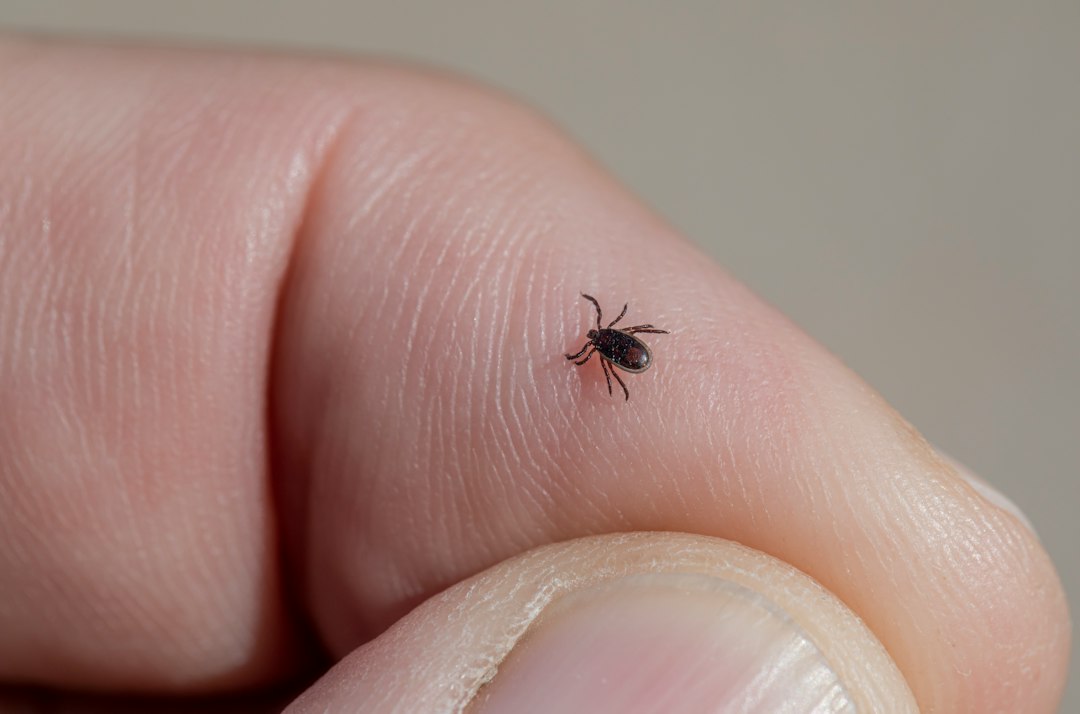
When the Borrelia burgdorferi spirochete—the bacteria transmitted by infected ticks—invades joint tissue, it doesn't simply disappear. The immune system's response to ongoing infection creates inflammation that erodes cartilage, degrades synovial fluid, and damages the connective tissue holding your joints together.
- Lyme disease chronic joint pain arthritis can develop weeks or years after tick exposure, even after antibiotic treatment.
- The bacteria damages cartilage directly and triggers an immune response that causes progressive joint degeneration.
- Early detection and aggressive treatment reduce the risk of permanent joint damage significantly.
- Anti-inflammatory diet, targeted movement, and proper monitoring can slow progression and manage symptoms long-term.
- Lyme arthritis affects the knee most often, but wrists, shoulders, and ankles are also vulnerable.
TL;DR: Lyme disease can cause lasting arthritis because the bacteria damages joint cartilage and synovial tissue while triggering chronic inflammation. Early treatment prevents progression, but even treated cases may develop persistent joint stiffness and pain requiring long-term management strategies.
The Real Root Cause of Lyme Arthritis Most People Miss
Here's what most people miss: Lyme arthritis isn't just inflammation—it's structural joint damage happening at the cellular level.
A 2022 study published in the Journal of Rheumatology found that untreated Lyme disease leads to erosive changes in joint cartilage within months of infection. The spirochete bacteria secrete enzymes that actively break down the protective cartilage matrix.
Direct Bacterial Invasion and Tissue Destruction
The Borrelia burgdorferi spirochete doesn't stay in your bloodstream—it migrates directly into joint spaces and buries itself within synovial tissue. Once embedded, the bacteria triggers localized inflammation that's hard for antibiotics to reach completely.
This is why some people experience what researchers call "antibiotic-refractory Lyme arthritis"—symptoms persist even after standard treatment. The bacteria creates biofilm-like structures that protect it from medication.
Immune System Overreaction and Chronic Inflammation
Your immune system doesn't distinguish perfectly between bacterial antigens and your own joint tissue. It attacks both indiscriminately, creating a cascade of inflammatory molecules (cytokines, interleukins, and TNF-alpha) that damage healthy cartilage.
According to research from the American Journal of Pathology, this autoimmune-like response continues long after bacteria are cleared. The damage persists because the inflammatory pathways remain activated, eroding synovial fluid and accelerating cartilage wear.
Exercise and Movement Strategies to Manage Lyme-Related Joint Pain
The wrong movement worsens Lyme arthritis, but the right exercises protect remaining cartilage and rebuild strength around damaged joints.
Most people make the same mistake: they stop moving entirely. This causes muscle atrophy, joint stiffness, and faster cartilage degradation. Instead, you need low-impact movement paired with careful strengthening.
Best Exercises for Lyme Arthritis Recovery
The safest approach combines low-impact cardio with gentle strengthening. These reduce joint stress while maintaining muscle support that stabilizes inflamed articulations.
- Swimming and water aerobics — buoyancy removes weight from joints while allowing full range of motion
- Cycling (stationary) — smooth, repetitive motion without impact shock
- Tai chi — slow, controlled movements improve balance and joint awareness
- Isometric exercises — tighten muscles without moving joints (hold a wall squat for 30 seconds)
- Physical therapy bands — controlled resistance builds supportive muscle without heavy loads
Movements to Avoid During Flare-Ups
High-impact and twisting motions accelerate cartilage damage when joints are inflamed. Avoid these completely during active pain and reintroduce gradually as symptoms improve.
- Running or jogging
- Jump-based exercises (box jumps, burpees)
- Heavy weight training with large loads
- Pivoting or twisting movements
- Contact sports
Diet Changes That Support Joint Recovery in Lyme Disease
What you eat directly determines how fast inflammation spreads through your joints. Anti-inflammatory nutrition is as important as medication for preventing long-term damage.
The inflammation triggered by Lyme disease responds powerfully to dietary changes because food either amplifies or suppresses the cytokine cascades destroying your cartilage.
Anti-Inflammatory Foods to Include
These foods reduce the inflammatory molecules actively eroding your synovial fluid and connective tissue. Supplements like Joint Genesis are formulated specifically around the nutrients most linked to cartilage protection, but whole foods work synergistically with any supplement approach.
- Fatty fish — salmon, mackerel, sardines (omega-3 fatty acids reduce TNF-alpha and IL-6)
- Leafy greens — spinach, kale (vitamin K and antioxidants protect cartilage matrix)
- Berries — blueberries, tart cherries (anthocyanins suppress inflammatory genes)
- Turmeric — the curcumin compound blocks NF-kB inflammatory signaling
- Ginger — gingerols inhibit prostaglandins driving joint pain
- Extra virgin olive oil — oleuropein mimics the action of anti-inflammatory drugs
- Bone broth — collagen and amino acids rebuild synovial tissue
Foods That Worsen Lyme Arthritis Symptoms
These foods amplify the inflammatory response and accelerate cartilage degeneration. Eliminating them often produces noticeable improvement within 2-3 weeks.
- Refined sugars (activate inflammatory genes in joint tissue)
- Seed oils high in omega-6 (promote prostaglandin production)
- Processed meats (contain inflammatory compounds)
- Refined carbohydrates (spike blood glucose, triggering inflammatory cascades)
- Alcohol (impairs immune regulation and increases TNF-alpha)
- Foods with artificial additives (trigger gut inflammation)
Tracking Progress and Setting Realistic Expectations for Recovery
Lyme arthritis recovery isn't linear, and unrealistic timelines lead to frustration and poor compliance with management. Understanding what to measure helps you spot real improvement.
Most people recover significantly within 6-12 months of starting comprehensive treatment. However, some experience residual symptoms that require ongoing management for years.
How to Measure Joint Improvement Accurately
Pain alone is a misleading metric because inflammation fluctuates. Track these more objective markers of cartilage and connective tissue healing.
- Range of motion — measure how far you can bend/straighten joints using a goniometer or phone app
- Swelling circumference — use a measuring tape on affected joints; reduced swelling indicates less synovial inflammation
- Morning stiffness duration — time how long it takes to regain full mobility after waking
- Functional capacity — track stairs climbed, walking distance, or grip strength using objective measures
- Flare frequency — count how many days per month you experience significant symptoms
Realistic Recovery Timeline
Understanding what's normal prevents disappointment and keeps you motivated through the recovery process. Early-stage Lyme arthritis responds fastest to treatment, while chronic cases require longer intervention.
Weeks 1-8: Pain reduction begins; swelling may decrease slightly; range of motion improves marginally. Months 3-6: Significant functional improvement; cartilage regeneration begins; most people return to normal activities. Months 6-12: Residual stiffness normalizes; strength rebuilds completely; permanent remission likely. Beyond 12 months: Antibiotic-refractory cases may require ongoing anti-inflammatory management.
Frequently Asked Questions About Lyme Disease and Chronic Joint Pain
What causes Lyme arthritis to become chronic after antibiotic treatment?
Antibiotic-refractory Lyme arthritis occurs when bacteria persist in protected joint tissue despite medication, or when immune system inflammation continues after bacterial clearance. The spirochete's ability to evade the immune system and hide within biofilm-like structures allows it to trigger ongoing damage. Synovial inflammation can persist independently of active infection, causing cartilage erosion to continue. Early aggressive treatment prevents this progression, but once established, chronic inflammation requires long-term anti-inflammatory strategies rather than additional antibiotics.
How can I tell if my Lyme disease is damaging my joints permanently?
Permanent joint damage shows up as progressive loss of function, structural changes visible on MRI or X-ray, and symptoms that don't improve with rest or anti-inflammatory medication. Pain that worsens over weeks rather than improving, increasing morning stiffness, and swelling that doesn't resolve indicate cartilage erosion. Having imaging done 3-6 months into Lyme arthritis helps establish a baseline; follow-up imaging shows whether degeneration is progressing or stabilizing. A rheumatologist can assess structural damage through physical examination, synovial fluid analysis, and imaging to determine if intervention needs to intensify.
Does Lyme arthritis always lead to permanent disability?
No—most people treated within weeks of infection recover fully without lasting damage. Studies show 60-80% of Lyme arthritis cases resolve completely with appropriate antibiotics and anti-inflammatory management. Delayed diagnosis, inadequate treatment, or antibiotic resistance increases the risk of permanent changes, but even chronic cases rarely progress to severe disability with consistent management. Lifestyle modifications, dietary changes, and targeted exercise prevent progression even in resistant cases. The key factor is early detection and aggressive initial treatment to prevent cartilage from eroding beyond the point of recovery.
Can diet and exercise alone reverse Lyme arthritis damage?
Diet and exercise slow progression and manage symptoms effectively, but they cannot reverse structural cartilage loss that's already occurred. Medical treatment must address the inflammatory cascade first; lifestyle changes then prevent further deterioration and optimize recovery capacity. Anti-inflammatory nutrition reduces the cytokines actively destroying remaining cartilage, while movement rebuilds supportive muscle and maintains joint mobility. Combined with medical therapy, these approaches produce the best outcomes—but neither alone can restore cartilage that's been eroded. Think of medication as halting the damage, while diet and movement allow the body's natural healing to work efficiently.
Moving Forward With Confidence
If you're dealing with Lyme disease joint pain, the combination of medical treatment, strategic nutrition, and targeted movement offers your best path to recovery. Understanding the mechanisms of cartilage damage helps you make informed decisions about your care. Many people find that adding targeted nutritional support accelerates their progress—check out Joint Genesis to see if a formula designed around these principles might fit your recovery plan alongside your other management strategies.
Related Reading: