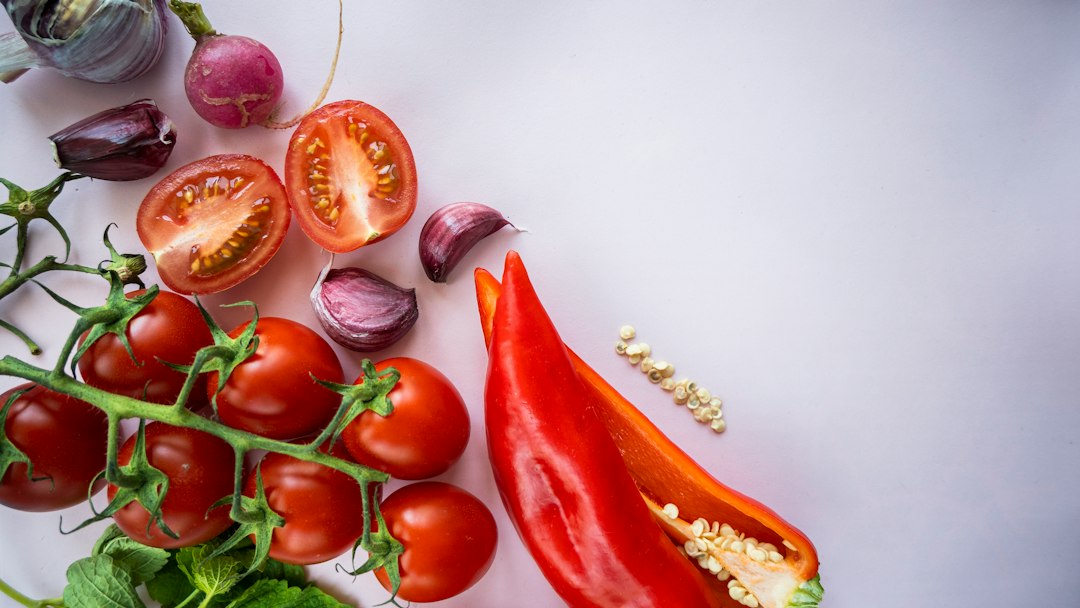
Does the Nightshade-Joint Pain Link Actually Hold Up to Science?
The claim that nightshade vegetables trigger joint inflammation has circulated for decades, but the scientific evidence doesn't support a universal nightshade-joint pain connection for most people. Tomatoes, peppers, eggplants, and potatoes contain alkaloid compounds that some believe irritate joints, yet large-scale studies show no consistent link between nightshade consumption and increased arthritis symptoms in the general population. That said, a small subset of individuals do report joint discomfort after eating these foods—and the biological mechanisms behind those reactions are worth understanding.
- Most scientific research finds no reliable connection between nightshade vegetables and joint inflammation in the broader population.
- Alkaloids in nightshades may affect calcium metabolism and nerve signaling, but clinical evidence of joint damage is minimal.
- Some people with arthritis report symptom flares after eating nightshades, suggesting individual sensitivity rather than universal toxicity.
- An elimination diet under professional guidance is the only way to determine if nightshades personally trigger your joint pain.
- Removing nightshades without medical oversight may eliminate nutrient-rich foods unnecessarily.
TL;DR: While nightshade alkaloids theoretically affect joints, clinical research doesn't confirm they cause widespread arthritis or joint inflammation in most people. If you suspect nightshades worsen your symptoms, track your diet and consult a rheumatologist—don't eliminate them without evidence.
The Science Behind Nightshade Alkaloids: What Research Actually Shows
Understanding nightshades requires looking at their chemistry first. Alkaloids are bitter plant compounds that nightshade vegetables produce as a natural defense mechanism against pests and disease. The major alkaloids in nightshades include solanine, capsaicin, and tomatine—and these chemicals do interact with human physiology in measurable ways.
How Alkaloids May Affect Joint Health
Alkaloids can interfere with calcium absorption and vitamin D metabolism, two processes essential for bone and cartilage integrity. Some researchers theorize that chronic alkaloid exposure might increase intestinal permeability, triggering an immune response that mistakenly attacks joint tissue. Additionally, certain alkaloids may alter nerve signaling in ways that amplify pain perception around inflamed joints.
However, the concentrations of alkaloids in cooked nightshade vegetables are typically too low to cause systemic harm in healthy people. Green potatoes and unripe tomatoes contain significantly higher alkaloid levels than ripe produce, and cooking further reduces alkaloid content.
What Clinical Studies Have Found
A 2022 study published in the Journal of Nutritional Biochemistry examined whether nightshade elimination diets improved rheumatoid arthritis symptoms in a controlled group. Researchers found no significant difference between patients who avoided nightshades and control groups over a 12-week period. Patients who perceived improvement often experienced placebo effects rather than true physiological changes.
According to the American College of Rheumatology, no peer-reviewed evidence supports recommending nightshade avoidance as a universal arthritis management strategy.
That said, individual case reports do exist showing symptom improvement after nightshade elimination. This suggests that individual sensitivity varies dramatically—what triggers joint inflammation in one person may have zero effect on another. The issue isn't that nightshades are universally inflammatory; it's that some people's immune systems react negatively to them.
Identifying Your Personal Nightshade Response: A Step-by-Step Action Plan
If you suspect nightshade vegetables trigger your joint discomfort, the only reliable method is systematic observation. An elimination diet requires structure and patience, but it provides real answers tailored to your body rather than generic advice.
Immediate Steps to Take This Week
Start by documenting your baseline. For the next 7 days, log everything you eat and your joint pain levels on a scale of 1-10, noting timing and severity. Include morning stiffness, afternoon flare-ups, and any activity that worsens symptoms.
Also identify which nightshades appear most frequently in your diet:
- Tomatoes and tomato products (sauces, ketchup, soups)
- Bell peppers and chili peppers
- White potatoes
- Eggplant
- Goji berries and ashwagandha supplements
This baseline week costs nothing and reveals patterns you might have missed. Most people discover they're not actually consuming nightshades as heavily as they thought.
Long-Term Protocol: The 4-Week Elimination and Reintroduction
After establishing baseline data, remove all nightshades completely for 4 weeks. This elimination period must be strict—nightshade-derived spices like paprika and cayenne count too. Replace tomato-based dishes with other vegetables: carrots, beets, spinach, broccoli, and sweet potatoes offer similar nutritional profiles.
Here's the reintroduction sequence for weeks 5-8:
- Week 5: Reintroduce white potatoes (cooked, not fried). Eat them daily and monitor symptoms.
- Week 6: Add back bell peppers. Eat them raw and cooked on separate days to isolate reactions.
- Week 7: Introduce tomatoes. Start with cooked tomatoes before raw ones.
- Week 8: Add chili peppers and spicy nightshade products. This final step tests the highest alkaloid foods.
If symptoms flare dramatically after reintroducing a specific nightshade, you've identified your personal trigger. If nothing changes, nightshades aren't your problem—and you can enjoy them guilt-free while investigating other dietary factors.
Keep in mind that supplements like Joint Genesis are formulated specifically around the nutrients most linked to joint health, and they work independently of dietary choices. This protocol is purely about identifying food triggers, not replacing targeted nutrition.
Warning Signs That Joint Symptoms Need Professional Evaluation
Not all joint pain stems from food sensitivity. Some symptoms require immediate medical attention, regardless of your nightshade intake.
Signs Your Joint Inflammation Is Escalating
Watch for red flags that suggest progressive arthritic disease rather than dietary reaction:
- Swelling that lasts more than 2 weeks without improvement
- Pain that wakes you at night or prevents movement
- Warmth or redness around the joint (sign of active inflammation)
- Joint stiffness that lasts more than 30 minutes after waking
- Symptoms spreading to new joints over weeks
- Unintentional weight loss alongside joint pain
When to Schedule a Rheumatology Appointment
If your joint discomfort persists for more than 6 weeks, a rheumatologist can order blood tests to check for autoimmune markers like rheumatoid factor and anti-CCP antibodies. Early diagnosis of conditions like rheumatoid arthritis changes treatment outcomes dramatically. Don't rely on dietary elimination alone if structural joint damage is occurring—you need professional imaging and lab work to know for sure.
A rheumatologist can also help distinguish between inflammatory arthritis (where diet sometimes helps) and mechanical joint wear (where it typically doesn't). This distinction shapes your entire treatment strategy.
Frequently Asked Questions About Nightshades and Joint Health
Does cooking nightshades reduce their effect on joints?
Yes, heat significantly reduces alkaloid content in nightshade vegetables. Boiling, roasting, and baking lower alkaloid concentrations by 40-60% compared to raw produce. This means if you're sensitive to nightshades, cooked versions are less likely to trigger symptoms than raw tomatoes or peppers. However, if you have severe sensitivity, even cooked nightshades may cause problems. Some people find they tolerate roasted tomatoes but not fresh ones.
What other foods cause joint inflammation besides nightshades?
Sugar, refined carbohydrates, seed oils high in omega-6, and excessive alcohol are far more reliably linked to joint inflammation than nightshades. Red meat and processed foods contain compounds that activate immune responses. Gluten sensitivity also triggers joint flares in susceptible individuals. Most people see greater symptom improvement by reducing these inflammatory foods than by eliminating nightshades, which actually contain antioxidants like lycopene and capsaicin that reduce oxidative stress.
Can nightshade sensitivity develop over time?
Yes, food sensitivities can emerge in adulthood due to changes in gut barrier function and immune regulation. Someone who ate tomatoes without issue for 40 years might develop reactivity later. This typically happens when intestinal permeability increases—often triggered by chronic stress, infections, or previous inflammatory conditions. If you suddenly notice joint flares after nightshades when this wasn't a problem before, gut health support and testing for food antibodies (IgG testing) may help identify the timing and severity of sensitivity.
Is nightshade sensitivity genetic or hereditary?
There's no strong genetic evidence linking nightshade sensitivity specifically to family history, though autoimmune conditions like rheumatoid arthritis do run in families. If your parent had arthritis triggered by nightshades, you're at higher risk for autoimmune disease generally, but not necessarily for nightshade reactivity specifically. Environmental factors like infections, stress, and overall diet shape whether genetic predisposition develops into actual disease. This is why testing your personal response matters more than assuming you'll react the same way a family member does.
The Bottom Line: Making an Evidence-Based Decision
The nightshade-joint pain debate persists because both sides hold partial truths. Population-level research shows no universal nightshade danger, yet individual case reports confirm that some people genuinely suffer after eating tomatoes and peppers. This isn't contradiction—it's individual biology at work.
Rather than making an all-or-nothing choice based on anecdotal advice, run your own experiment. Track your symptoms honestly, eliminate nightshades systematically if you suspect them, and reintroduce foods methodically. Your data beats anyone's theory, including widespread internet claims. If nightshades don't worsen your joint symptoms after genuine testing, they're nutrient-dense foods worth keeping in your diet.
Nightshade vegetables aren't the only dietary factor affecting joint health. If you've tested nightshades and ruled them out but still struggle with joint discomfort, targeted nutritional support matters too. Read the full review of Joint Genesis to see how targeted nutrient combinations address the underlying factors behind joint inflammation and support long-term joint health alongside smart dietary choices.