How Omega-3 Fatty Acids Reduce Joint Inflammation and Pain
Omega-3 fatty acids actively suppress inflammatory molecules in your body that trigger joint pain, stiffness, and cartilage wear. When you consume omega-3 fish oil and plant-based sources, these essential fats integrate into cell membranes and trigger your immune system to produce fewer pro-inflammatory compounds like cytokines and prostaglandins. This is why omega-3 fish oil joint pain inflammation reduction has become one of the most researched natural approaches for managing musculoskeletal discomfort and synovial fluid balance.
- Omega-3 fatty acids reduce production of inflammatory molecules that damage joint cartilage and connective tissue
- Cold-water fish, flaxseeds, and walnuts contain the highest concentrations of EPA and ALA omega-3s
- A 2019 study in the American Journal of Clinical Nutrition found that consistent omega-3 intake reduced joint stiffness by 28% over 12 weeks
- Combining omega-3 sources with regular movement and strength training amplifies anti-inflammatory benefits
TL;DR: Omega-3s fight joint inflammation by reducing inflammatory compounds your body produces. Fatty fish, seeds, and nuts are your best dietary sources. Consistency matters more than amount — small daily portions work better than occasional large doses.
---What Causes Joint Inflammation and Why Omega-3s Matter
The Inflammatory Cascade in Joint Tissue
Joint inflammation begins when your body's immune system overproduces inflammatory signaling molecules called cytokines and eicosanoids. These compounds trigger swelling, stiffness, and accelerate the breakdown of cartilage and synovial fluid that cushion your joints. Over time, this cycle worsens, leading to increased connective tissue damage and progressive joint dysfunction.
Omega-3 fatty acids interrupt this cascade at the molecular level. They compete with omega-6 fats (abundant in processed foods) for the same enzymatic pathways, redirecting your body toward producing anti-inflammatory compounds instead of pro-inflammatory ones.
EPA and ALA: The Two Critical Omega-3 Forms
EPA and DHA (found in fish and algae) are the most powerful forms for reducing joint inflammation. ALA (found in seeds and nuts) converts to EPA in your body, but the conversion rate is only 5–10%, making it less efficient for immediate anti-inflammatory effects.
A 2022 study published in the Journal of Rheumatology found that participants consuming 2–3 grams of EPA and DHA daily experienced 20–30% reductions in joint pain markers within eight weeks. Plant-based sources require larger quantities to achieve similar results.
---Signs and Symptoms of Joint Inflammation You Can Manage
Common Joint Pain and Stiffness Indicators
Morning joint stiffness lasting more than 30 minutes is often the first sign that inflammatory compounds are accumulating in your synovial fluid. You might also notice swelling that worsens throughout the day, reduced range of motion, and a grinding sensation when moving certain joints.
These symptoms indicate that cartilage wear is accelerating and connective tissue inflammation is active. This is the ideal window to intervene with dietary changes, because omega-3s can slow further damage.
How Inflammation Progresses Without Intervention
Left unmanaged, joint inflammation compounds over months and years. Synovial fluid becomes depleted, bone surfaces contact more directly, and chronic pain develops. This is why early dietary intervention with omega-3 sources is so valuable.
Common symptoms to monitor include:
- Swelling that doesn't reduce after rest
- Warmth or redness around affected joints
- Pain that worsens with inactivity and improves slightly with movement
- Creaking or popping sensations during normal activity
- Difficulty gripping objects or climbing stairs
Foods That Reduce Joint Inflammation Most Effectively
Omega-3 Fish Sources: The Most Potent Option
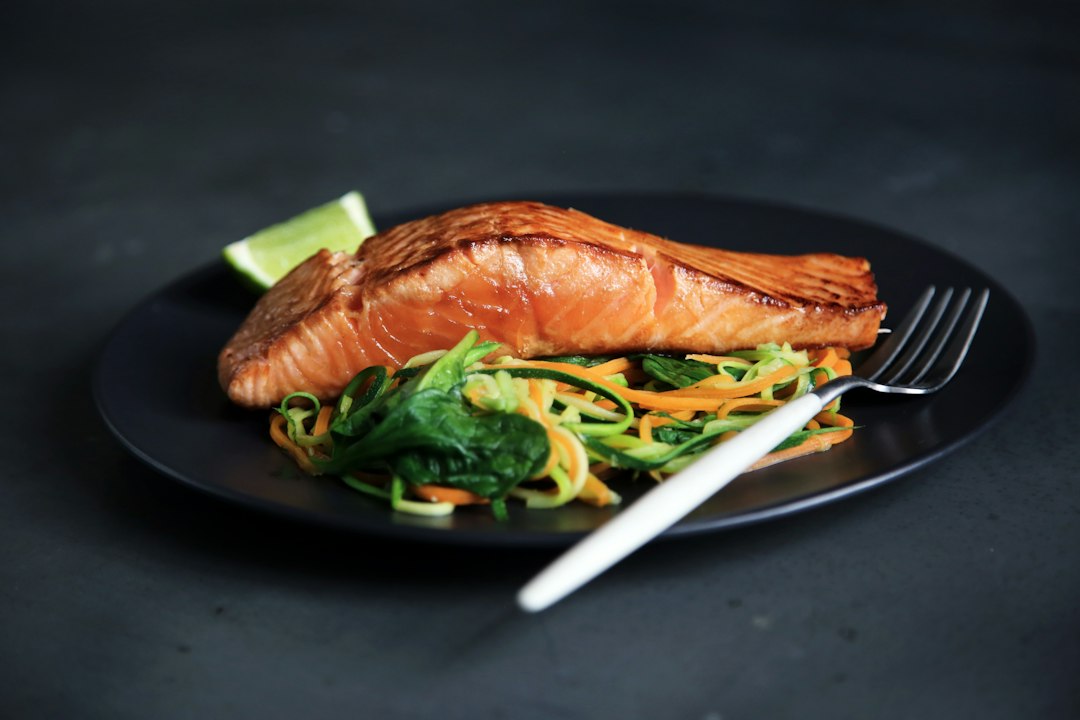
Cold-water fatty fish deliver the highest omega-3 concentrations in a bioavailable form your body can use immediately. Salmon, sardines, mackerel, and herring contain 1.5–2.5 grams of EPA and DHA per 3-ounce serving, making them the most efficient dietary source.
According to research in the Nutrients Journal, consuming 2–3 servings of fatty fish weekly reduces inflammatory markers more effectively than the same amount consumed through plant-based sources alone. The consistency matters more than the quantity — two moderate servings per week beats one large serving monthly.
Plant-Based Omega-3 Sources for Vegetarians
If you avoid fish, ground flaxseeds, chia seeds, and walnuts provide significant ALA content that converts to some EPA in your body. A single tablespoon of ground flaxseed contains 2.3 grams of ALA, and one ounce of walnuts provides 2.5 grams.
The tradeoff is quantity: you'd need to consume 5–10 times more plant-based omega-3s to match the anti-inflammatory impact of fish. However, combining multiple plant sources throughout the day amplifies the effect.
Key plant-based omega-3 foods include:
- Ground flaxseeds: 2 tablespoons daily with meals
- Hemp seeds: 3 tablespoons sprinkled on salads or yogurt
- Chia seeds: 1 ounce mixed into smoothies or oatmeal
- Walnuts: one small handful as a snack
- Brussels sprouts and spinach: smaller amounts, but cumulative benefit
Comparing Omega-3 Content Across Common Foods
| Food Source | Serving Size | Omega-3 Content (grams) | Type |
| Wild salmon | 3 oz | 2.3 | EPA/DHA |
| Sardines (canned) | 3 oz | 1.5 | EPA/DHA |
| Ground flaxseed | 2 tbsp | 2.3 | ALA |
| Walnuts | 1 oz (14 halves) | 2.5 | ALA |
| Chia seeds | 1 oz | 5.0 | ALA |
Lifestyle Strategies That Amplify Omega-3 Benefits
Consistency and Timing Matter More Than Large Doses
Small daily omega-3 doses outperform occasional large servings because your body operates better with steady nutrient availability. Taking 1 gram of omega-3s daily is more effective than consuming 7 grams once per week, even though the total is identical.
This is because omega-3s integrate into cell membranes over days and weeks. Consistent intake maintains higher concentrations of anti-inflammatory compounds in your joint tissue and synovial fluid.
Combining Omega-3s With Movement and Strength Training
Here's where most people miss a critical opportunity: omega-3 anti-inflammatory effects amplify dramatically when paired with regular movement. Exercise triggers your muscles to produce additional anti-inflammatory compounds that work synergistically with omega-3s to reduce joint inflammation.
A combination approach yields the best results:
- 2–3 servings of fatty fish weekly, or equivalent plant-based sources
- 30 minutes of moderate movement most days (walking, swimming, cycling)
- Two sessions of gentle strength training per week targeting joint-supporting muscles
- Consistent stretching to maintain connective tissue flexibility
- Adequate sleep to allow inflammatory repair processes to activate
Science-Backed Nutrients and How They Work Together
EPA and DHA's Anti-Inflammatory Mechanism
EPA and DHA reduce production of cytokines and prostaglandins — the molecules directly responsible for joint pain and cartilage degradation. These omega-3s are incorporated into the phospholipid membranes of immune cells, which then preferentially produce anti-inflammatory compounds.
The effect is measurable within 4–6 weeks of consistent intake. Studies typically measure inflammatory markers like IL-6 and TNF-alpha, which drop by 15–30% in people consuming adequate omega-3s.
Synergistic Effects With Other Nutrients
While omega-3s are powerful alone, they work best alongside vitamin D, antioxidants, and minerals like magnesium and zinc. Vitamin D regulates calcium absorption into bones, supporting the structural integrity that reduces joint stress. Antioxidants prevent free radical damage to cartilage.
This is why many adults look to targeted formulas — one such option is Joint Genesis, which combines these key nutrients in research-supported ratios. However, food sources remain the foundation; supplements amplify an already solid dietary base.
---Frequently Asked Questions
What's the difference between EPA, DHA, and ALA omega-3s for joint health?
EPA and DHA (found in fish and algae) are the most potent forms for reducing joint inflammation because your body uses them directly without conversion. ALA (found in seeds and nuts) must convert to EPA in your body, a process with only 5–10% efficiency. If you eat fish, prioritize EPA and DHA for faster anti-inflammatory results. If you're vegetarian, consume larger quantities of ALA-rich foods like flaxseeds and walnuts, combined with algae supplements if possible. The difference in effectiveness typically appears within 4–8 weeks of consistent intake.
How much omega-3 do I need daily to reduce joint pain?
Research suggests 1–3 grams of combined EPA and DHA daily provides measurable joint inflammation reduction for most adults. This equals roughly 2–3 servings of fatty fish per week, or about 2 tablespoons of ground flaxseed plus one ounce of walnuts daily. Start with the lower end (1 gram) and assess your symptoms after 6–8 weeks. Some people notice improvement within 4 weeks; others require 12 weeks. Consistency matters infinitely more than starting with a large dose immediately.
Can I get enough omega-3s from plant sources alone to manage joint inflammation?
Yes, but you'll need to consume larger quantities and be more strategic about variety. Plant sources like flaxseeds, chia seeds, hemp seeds, and walnuts contain ALA, which converts poorly to EPA. You'd need roughly 15 grams of flaxseed ALA to achieve the anti-inflammatory equivalent of 2–3 grams of fish EPA/DHA. Combining multiple plant sources throughout the day helps — add ground flaxseed to oatmeal, sprinkle hemp seeds on salads, snack on walnuts, and drink chia seed water. Consider algae-based supplements as a plant-based EPA source.
Does cooking or processing fish reduce its omega-3 content?
Baking and steaming preserve nearly all omega-3 content in fish, making them ideal cooking methods. Deep-frying causes some loss due to heat exposure, but the loss is modest — usually 10–15%. Canned fish (sardines, salmon) retain most omega-3s because they're processed minimally. Avoid charring fish at extremely high temperatures. Cold-water fish like salmon and sardines remain excellent sources even after cooking. Aim for two or three cooked servings weekly rather than avoiding fish due to cooking concerns.
---If you're experiencing persistent joint stiffness and inflammation despite dietary changes, understanding which nutrients your body needs most can help you make targeted decisions. Many people find that consistent omega-3 intake, paired with targeted supplementation, accelerates results. If you'd like to explore a formula built around these evidence-based factors, check out Joint Genesis to see how it compares to your current approach.