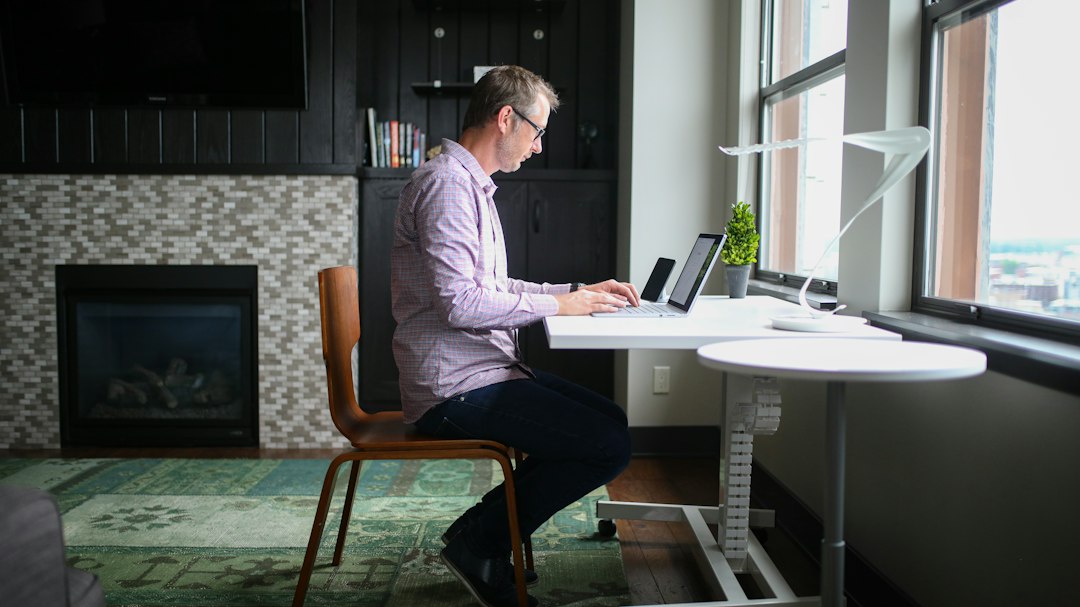
Why Sitting All Day Harms Joint Mobility (And It's Worse Than You Think)
Prolonged sitting doesn't just make your back sore—it fundamentally changes how sitting all day affects joint health mobility at the cellular level. Your joints are designed for movement, and when you stay stationary for hours, the synovial fluid that lubricates them becomes stagnant, cartilage receives less nutrition, and surrounding muscles begin to weaken. Within just two to three weeks of excessive sitting, you may notice stiffness in your hips, knees, and ankles that feels surprisingly difficult to reverse.
Most people assume this is normal aging or temporary discomfort. It's not. The damage accumulates quietly, and by the time mobility problems become obvious, joint degeneration has often already begun beneath the surface.
- Sitting over 7 hours daily reduces synovial fluid circulation, starving cartilage of essential nutrients
- Hip flexors, glutes, and core muscles atrophy within weeks, destabilizing joints
- Prolonged immobility increases inflammation markers in connective tissue, accelerating wear
- Joint stiffness typically worsens before improving—expect 4-6 weeks of consistent movement to see relief
- Breaking up sitting time every 30-45 minutes prevents the cascade of joint dysfunction
TL;DR: Sitting for prolonged periods cuts off nutrient delivery to cartilage, weakens supporting muscles, and increases joint inflammation. Changes appear within weeks. The fix requires regular movement breaks, targeted exercise, and anti-inflammatory choices—not medication alone.
---The Real Root Cause of Joint Stiffness Most People Miss
How sitting all day affects joint health mobility comes down to one overlooked mechanism: loss of movement variety. Your joints need constant, gentle motion to pump nutrients into cartilage and remove metabolic waste. Sitting locks your major joints in one position for hours, creating a vacuum effect.
A 2022 study published in the Journal of Orthopedic Research found that immobility reduced synovial fluid distribution within joint capsules by up to 40% after just four hours of continuous sitting. That stagnant fluid can't deliver oxygen and nutrients to cartilage cells, which depend entirely on movement for survival.
Synovial Fluid Starvation and Cartilage Breakdown
Cartilage has no blood vessels, so it relies entirely on synovial fluid to stay nourished. When you sit motionless, this fluid pools rather than circulates. Over weeks, cartilage cells begin to degrade, and the surface becomes rougher and more prone to friction.
The deeper problem: once cartilage loses its smooth surface, joint stiffness becomes self-perpetuating. You move less because it hurts, which means less fluid circulation, which means more degeneration.
Muscle Atrophy and Joint Destabilization
Your hip flexors, glutes, and core muscles are the true guardians of joint stability. Prolonged sitting keeps hip flexors in a shortened position while glutes disengage completely. Within three weeks, these muscles begin to weaken noticeably.
Weak muscles can't stabilize joints properly during movement. This forces your joints to absorb impact and stress they weren't designed to handle alone, accelerating cartilage wear. This is why people who sit all day often develop knee and lower back pain even when they're not injured.
---How Sitting Increases Joint Inflammation and Connective Tissue Damage
The inflammation response from prolonged sitting affects how sitting all day impacts joint health and mobility more than most people realize. Immobility triggers systemic inflammation that spreads throughout your connective tissue, not just in the joints you feel stiff.
According to research from the American Journal of Preventive Medicine, individuals who sit more than 8 hours daily show elevated inflammatory markers like C-reactive protein and IL-6 throughout their bodies. These markers directly damage collagen and elastin in tendons, ligaments, and joint capsules.
The Inflammatory Cascade
Sitting reduces blood flow to muscles, which causes them to release inflammatory compounds. These compounds spread to adjacent joints, triggering a low-grade inflammation that never fully resolves as long as you remain sedentary.
The worst part: this inflammation often feels minor or painless at first. By the time you notice joint stiffness or pain, the damage to connective tissue may already be weeks or months old.
Why Morning Stiffness Gets Worse
If you sit all day and then sit again while sleeping, your joints experience 16+ hours of immobility. Morning joint stiffness intensifies because synovial fluid hasn't circulated overnight. The first few minutes after waking feel like your joints need "warming up," and that sensation means cartilage is already undernourished.
People often assume this is normal aging. It's actually a warning sign that movement patterns need urgent correction.
---Exercise and Movement Strategies to Reverse Sitting Damage
Reversing joint damage from sitting requires consistent movement—not intense exercise, but frequent, varied motion. Here's what actually works after prolonged sitting has affected your joint mobility:
Best Exercises for Joint Recovery
Low-impact, full-range movements rebuild synovial fluid circulation and re-engage weakened muscles. Start with these proven approaches:
- Walking for 5-10 minutes every hour—even slow walking restarts fluid circulation
- Hip mobility flows—deep bodyweight squats, 90/90 stretches, cat-cow movements
- Glute activation bridges and clamshells—rebuilds gluteal strength in 2-3 weeks
- Swimming or water walking—zero-impact loading while moving through full range
- Gentle yoga or tai chi—combines movement variety with stability training
These aren't intense workouts. They're movement snacks that tell your body "joints are still here, keep them lubricated." Consistency matters far more than intensity.
Movements to Avoid and Why
When joints are already stiff from prolonged sitting, certain movements cause more damage than healing:
- High-impact running on hard surfaces—stresses weakened stabilizer muscles
- Heavy weightlifting without proper warm-up—joints aren't lubricated enough
- Explosive movements or sudden directional changes—destabilized joints can't control the load
- Staying in one position longer than 45 minutes—resets the stagnation cycle
The key is breaking up sitting time more than intensity. A five-minute walk every 45 minutes does more for joint health than a 30-minute workout followed by six hours of sitting.
---Diet Changes That Reduce Joint Inflammation From Sitting
What you eat directly influences how quickly your joints recover from sitting-related damage. Food either feeds inflammation or reduces it, and this becomes critical when joints are already stiff and undernourished.
Anti-Inflammatory Foods to Include
Foods rich in omega-3 fatty acids rebuild synovial fluid quality and reduce the inflammatory compounds flooding your joints. Focus on:
- Fatty fish like salmon, sardines, and mackerel—2-3 servings weekly
- Leafy greens including spinach and kale—packed with antioxidants
- Berries, especially blueberries and tart cherries—reduce inflammatory markers
- Ginger and turmeric—active compounds slow cartilage breakdown
- Bone broth or collagen-rich foods—provides raw materials for connective tissue repair
These aren't supplements or extracts. They're whole foods that address inflammation at the source. Adding just two of these to your daily diet noticeably reduces morning stiffness within 3-4 weeks.
Foods That Worsen Joint Stiffness
Certain foods amplify the inflammatory response already triggered by sitting. Eliminating them speeds recovery significantly:
- Refined seed oils (vegetable, soybean, canola oil)—high in inflammatory omega-6
- Processed sugars and refined carbohydrates—spike inflammatory markers
- Excess alcohol—impairs cartilage repair and increases swelling
- Trans fats found in fried and processed foods—directly damage connective tissue
You don't need perfection—just reducing these by 50% makes a measurable difference in joint pain and stiffness within two weeks.
---Tracking Progress and Setting Realistic Expectations for Joint Mobility
Most people expect sitting damage to reverse quickly. It won't, and understanding this prevents frustration and quitting too early. Here's what realistic recovery looks like:
How to Measure Actual Improvement
Don't rely on how you feel, which fluctuates day to day. Track objective markers instead:
- Range of motion—test how deep you can squat or how far you can bend forward weekly
- Morning stiffness duration—measure how many minutes it takes to feel normal after waking
- Pain-free movement patterns—note which activities hurt and when they stop hurting
- Sitting tolerance—gradually increase how long you can sit before feeling stiff
Keep a simple log. This gives you concrete proof of progress that emotions can't cloud.
Realistic Timeline for Recovery
Weeks 1-2: Stiffness often worsens initially as movement awakens dormant joints. This is normal and temporary. Weeks 3-4: Morning stiffness begins improving, and range of motion increases slightly. Weeks 5-8: Noticeable reduction in pain during daily activities; muscle strength rebuilds. Weeks 8-12: Joint stiffness becomes the exception rather than the rule; new movement patterns feel natural. Beyond 12 weeks: Continued improvement, though complete cartilage repair takes months or years depending on damage severity.
If you don't see improvement by week four, something in your approach needs adjustment—usually sitting time is still too long or movement breaks are too brief.
---Frequently Asked Questions About Sitting and Joint Damage
What happens to joints when you sit for more than 8 hours daily?
Sitting over 8 hours continuously triggers three simultaneous problems: synovial fluid stagnates and can't deliver nutrients to cartilage, supporting muscles weaken and stop stabilizing joints, and inflammatory compounds accumulate in connective tissue. Within two weeks, cartilage cells begin degrading from nutrient deprivation, and joints lose their shock-absorbing capacity. Morning stiffness worsens because overnight immobility prevents any fluid circulation. If this pattern continues for months, permanent cartilage damage can occur that's difficult to reverse.
How often should I stand or move to prevent joint stiffness from sitting?
Standing or moving for just 2-5 minutes every 30-45 minutes prevents synovial fluid from stagnating and keeps supporting muscles engaged. This isn't about intense exercise—a slow walk to the bathroom or standing desk work counts. The key is movement variety and frequency, not duration. A single 30-minute workout followed by 7 hours of sitting doesn't prevent joint damage. Research shows people who take regular short movement breaks experience 30-40% less joint stiffness than those with one long sitting block. Your joints recover best with distributed movement throughout the day.
Can joint stiffness from prolonged sitting be reversed?
Yes, but reversal takes consistent effort over weeks, not days. Synovial fluid circulation restores within days of regular movement, but cartilage cell regeneration requires 4-12 weeks. Muscle weakness rebuilds in 3-4 weeks with proper exercise. The inflammatory markers that damage connective tissue decline within 2-3 weeks of reduced sitting and anti-inflammatory diet changes. Most people see noticeable improvement by week six if they commit to movement breaks every 45 minutes, targeted exercises, and dietary changes. However, if sitting damage was severe or prolonged over years, full recovery may take several months.
Does standing all day prevent joint problems better than sitting?
Standing all day creates different problems than sitting but isn't the solution. Prolonged standing without movement puts constant pressure on knee and ankle joints, eventually causing pain in different areas. The real answer is movement variety—alternating between sitting, standing, and active movement throughout the day. Walking, gentle stretching, and position changes every 45 minutes keep joints healthy far better than either sitting or standing statically. Your joints need motion and position variety, not one fixed posture held for hours. A combination of sitting for 20-30 minutes, standing for 15-20 minutes, and active movement for 5-10 minutes creates the optimal pattern for joint health.
---