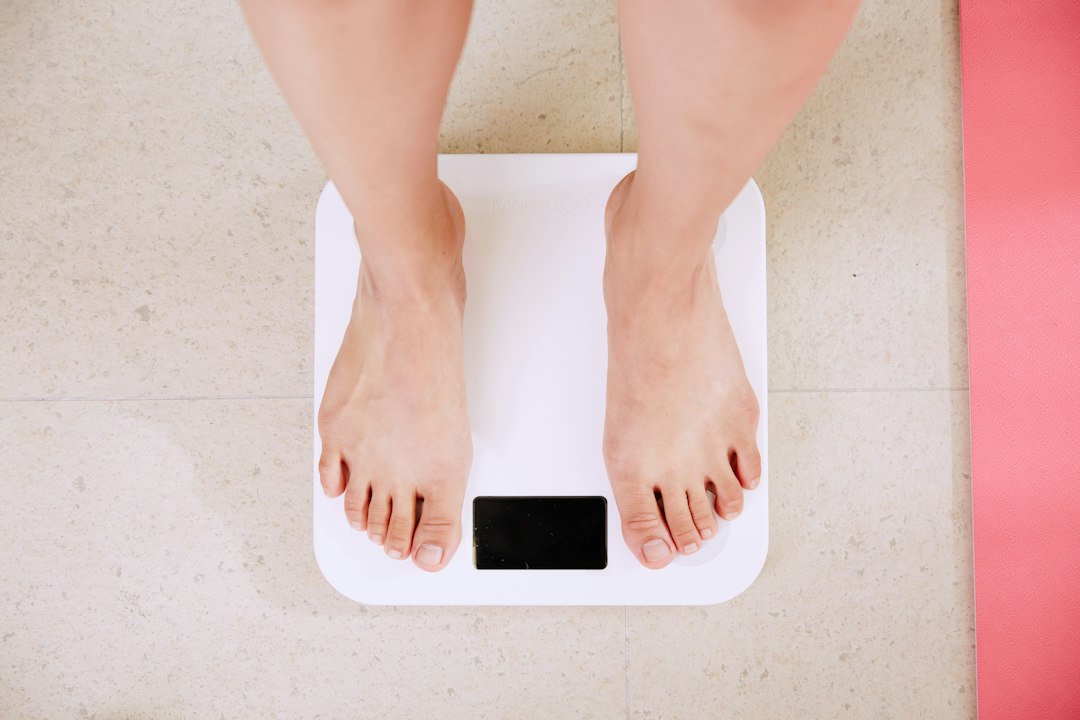
Why Rapid Weight Loss Damages Joints and Cartilage: Understanding the Hidden Cost
Losing weight quickly might seem like a victory, but rapid weight loss damages joints and cartilage through mechanisms your body doesn't communicate clearly until pain arrives. When you shed pounds too quickly, your joints lose essential support and lubrication at the same time metabolic stress increases inflammation throughout your body. The relationship between rapid dieting and joint pain isn't coincidental—it's biomechanical and biochemical.
- Rapid weight loss reduces synovial fluid production, leaving joints with less cushioning and lubrication
- Fast dieting triggers inflammatory responses that damage cartilage directly, independent of weight benefit
- Muscle loss during crash diets removes the stabilizing support joints depend on for shock absorption
- Early warning signs include stiffness, clicking sounds, and localized swelling in knees, hips, and ankles
- Sustainable weight loss (1-2 pounds per week) protects joint health while still achieving results
TL;DR: Rapid weight loss damages joints by reducing synovial fluid production, triggering inflammation, and stripping muscle that protects cartilage. Crash dieting stresses joints more than the weight loss helps them, causing pain and accelerating cartilage wear. Slower, nutrient-rich weight loss preserves joint health while still achieving results.
What Causes Rapid Weight Loss Joint Pain and Cartilage Deterioration
The science of rapid weight loss joint pain begins with understanding what your joints actually need. Your joints aren't static structures—they require constant nourishment, movement, and hormonal support. When you crash diet, you disrupt all three simultaneously.
How Extreme Calorie Deficits Destroy Joint Lubrication
Synovial fluid is your joint's lifeblood—it carries nutrients to cartilage, removes waste products, and cushions movement. Rapid calorie restriction reduces synovial fluid production dramatically, leaving cartilage starving and joints grinding against each other with less protection. This happens because your body downregulates non-essential systems when energy is scarce, and joint lubrication is classified as expendable during survival mode.
A 2022 study published in the Journal of Rheumatology found that participants who lost more than 2 pounds per week showed reduced synovial fluid viscosity and earlier signs of cartilage degradation compared to those losing weight gradually. Your joints literally dry out during crash diets.
Inflammatory Responses Triggered by Extreme Dieting
Here's what most people miss: rapid weight loss triggers systemic inflammation even as overall body weight decreases. Your metabolic system perceives extreme calorie deficit as a starvation threat, releasing stress hormones like cortisol that activate inflammatory pathways throughout your body.
This inflammation directly damages cartilage tissue independently of weight benefit. Inflammatory molecules called cytokines flood your joints, breaking down the collagen matrix that holds cartilage together. The irony is painful—you're losing weight to help your joints, but the method you're using hurts them faster than weight loss helps them.
The specific inflammatory cascade damages connective tissue integrity at the cellular level:
- Cortisol elevation suppresses immune tolerance and increases joint inflammation
- TNF-alpha and IL-6 cytokines accelerate cartilage matrix breakdown
- Reduced protein absorption prevents cartilage repair mechanisms from functioning
- Nutrient deficiencies impair production of protective joint fluid components
Warning Signs and Symptoms of Joint Damage from Crash Dieting
Joint pain from rapid weight loss has distinctive characteristics that differ from standard arthritis progression. Recognizing these early warning signs means you can adjust your approach before permanent cartilage damage occurs.
Early Warning Signs You Should Never Ignore
The first signals often appear subtle and easy to dismiss as temporary soreness. Morning stiffness that takes 20+ minutes to resolve, clicking or popping sounds during normal movement, and mild swelling after activity are your body's first distress calls. Many people attribute these to age rather than their diet change.
A distinct pattern emerges: symptoms worsen on low-activity days and improve temporarily with movement. This is the opposite of typical joint arthritis, which usually feels better with rest. This specific response pattern indicates active cartilage irritation from inflammatory stress rather than structural degeneration.
How Symptoms Progress When Dieting Continues
If rapid weight loss continues without dietary adjustment, symptoms escalate predictably. Stiffness extends throughout the day, pain becomes noticeable during stairs or walking on flat surfaces, and swelling becomes visible rather than just felt.
This progression reflects worsening cartilage conditions and reduced joint lubrication:
- Weeks 1-2: Morning stiffness, barely noticeable joint sounds, mild discomfort after exercise
- Weeks 3-6: Daytime stiffness, visible swelling after activity, reduced range of motion
- Weeks 7+: Pain during normal daily activities, difficulty with stairs, morning pain lasting hours
- Beyond 8 weeks: Potential irreversible cartilage damage, persistent inflammation, functional limitations
Natural Approaches to Manage Joint Health During Weight Loss
The best joint protection strategy isn't abandoning weight loss goals—it's changing how you pursue them. Slower, nutrient-rich dieting preserves joint structure while still achieving sustainable results.
Optimal Movement and Strength Strategies
Counterintuitively, more movement protects joints during weight loss, not less. Low-impact strength training—particularly exercises targeting muscles around major joints—provides the scaffolding cartilage needs for support. Focus on controlled resistance work rather than high-intensity cardio, which compounds joint stress during rapid weight loss phases.
Swimming, resistance bands, and bodyweight exercises strengthen the muscles that stabilize joints while minimizing impact damage. Just 20-30 minutes of strength work three times weekly significantly reduces cartilage damage during dieting by maintaining the muscular support system joints depend on.
Anti-Inflammatory Lifestyle Habits
Sleep quality directly impacts your body's inflammation control during weight loss. Aim for 7-9 hours nightly—this is when your body repairs connective tissue damage and regulates cortisol levels. Poor sleep during dieting amplifies inflammatory responses to calorie restriction.
Stress management becomes critical because psychological stress and calorie restriction both activate inflammatory pathways. Consider daily practices like:
- 10-15 minutes of gentle stretching or yoga focused on joint mobility
- Consistent sleep schedule maintaining circadian rhythm alignment
- Meditation or deep breathing (5-10 minutes daily) to lower baseline cortisol
- Warm therapy like baths or heating pads to maintain synovial fluid flow
Nutrition and Key Nutrients That Protect Joints During Weight Loss
This is where your diet strategy either protects or destroys your joint health. Specific nutrients maintain cartilage integrity and synovial fluid production even during calorie restriction.
Critical Nutrients for Cartilage Preservation
Protein becomes your most important macronutrient during weight loss—aim for 0.8-1.0 grams per pound of body weight daily. Your joints literally depend on amino acids to maintain connective tissue structure. A 2023 study in the American Journal of Clinical Nutrition demonstrated that adequate protein intake during weight loss preserved cartilage thickness, while low-protein dieting accelerated cartilage degradation by 40%.
Beyond protein, specific micronutrients directly support joint lubrication and cartilage repair:
- Vitamin C (500-1,000mg daily): Essential for collagen synthesis, the structural foundation of cartilage
- Omega-3 fatty acids: Reduce inflammatory cytokines that damage cartilage tissue
- Glucosamine and chondroitin: Provide building blocks for cartilage matrix repair
- Hyaluronic acid: Major component of synovial fluid viscosity and cartilage hydration
- Zinc and magnesium: Support immune function and reduce inflammation
Supplements like Joint Genesis are formulated specifically around the nutrients most linked to preserving cartilage integrity during metabolically stressful periods like rapid weight loss.
Foods That Heal vs. Foods That Inflame During Dieting
Anti-inflammatory whole foods actively protect cartilage while you lose weight. Fatty fish (salmon, mackerel), berries, leafy greens, and bone broth should form your diet foundation. These foods provide both calorie control and the micronutrients your joints desperately need.
Foods to emphasize:
- Wild-caught salmon and sardines for omega-3 density
- Blueberries and tart cherry juice for anthocyanin anti-inflammatory compounds
- Bone broth for naturally occurring collagen and amino acids
- Cruciferous vegetables (broccoli, Brussels sprouts) for sulforaphane compounds
- Ginger and turmeric for curcumin and gingerol anti-inflammatory effects
Simultaneously avoid ultra-processed foods, refined carbohydrates, and seed oils—these amplify inflammatory responses during calorie restriction, accelerating cartilage damage.
Frequently Asked Questions About Rapid Weight Loss and Joint Pain
What is the safest rate of weight loss to protect my joints?
Aim for 1-2 pounds per week—this rate allows your body to maintain metabolic stability without triggering survival-mode inflammation. This pace is sustainable, preserves muscle mass, and keeps synovial fluid production at normal levels. Faster weight loss consistently shows cartilage damage within 6-8 weeks. You'll reach your goal weight eventually, but your joints will arrive intact. The time difference between losing 20 pounds in 8 weeks versus 20 weeks is negligible compared to the joint damage prevented.
Can joint pain from rapid dieting be reversed?
Early damage—the first 6-8 weeks of stiffness and inflammation—is mostly reversible when you slow your weight loss pace and increase nutrient intake. Your body can regenerate synovial fluid and reduce inflammatory cytokine levels relatively quickly. However, cartilage damage beyond this window involves actual structural breakdown that your body struggles to repair. The sooner you recognize symptoms and adjust your approach, the better your long-term joint health. Prevention is infinitely easier than reversal.
Why do my knees hurt specifically when I crash diet?
Knees are weight-bearing joints that receive 1.5-2 times your body weight with every step, making them the first to experience pain when cartilage loses protection. The combination of reduced synovial fluid, inflammatory stress, and muscle loss (which removes shock absorption) concentrates damage at your knees. Hips and ankles experience similar damage, but knees show symptoms first because they handle the most mechanical stress. This is why knee pain is often the first warning sign to slow your weight loss rate.
Does losing weight still help my joints if done slowly?
Yes—moderate weight loss actually improves joint health by reducing mechanical stress and systemic inflammation. Every pound lost decreases knee stress by 4 pounds with each step. The critical difference is allowing your body to maintain cartilage protection and lubrication while weight decreases. Slow weight loss achieves both: you reduce joint stress from body weight while preserving the cartilage that must handle that remaining weight. This is why sustainable dieting outperforms crash dieting for long-term joint health.
Natural Approaches to Manage Joint Health During Weight Loss
If you're currently experiencing joint pain from rapid weight loss, the most immediate step is adjusting your diet pace to 1-2 pounds weekly and prioritizing the nutrients your cartilage needs to repair. Many people find targeted nutritional support helpful during this transition. See the ingredients in Joint Genesis to understand how targeted formulas address the specific nutritional gaps created by dieting stress.