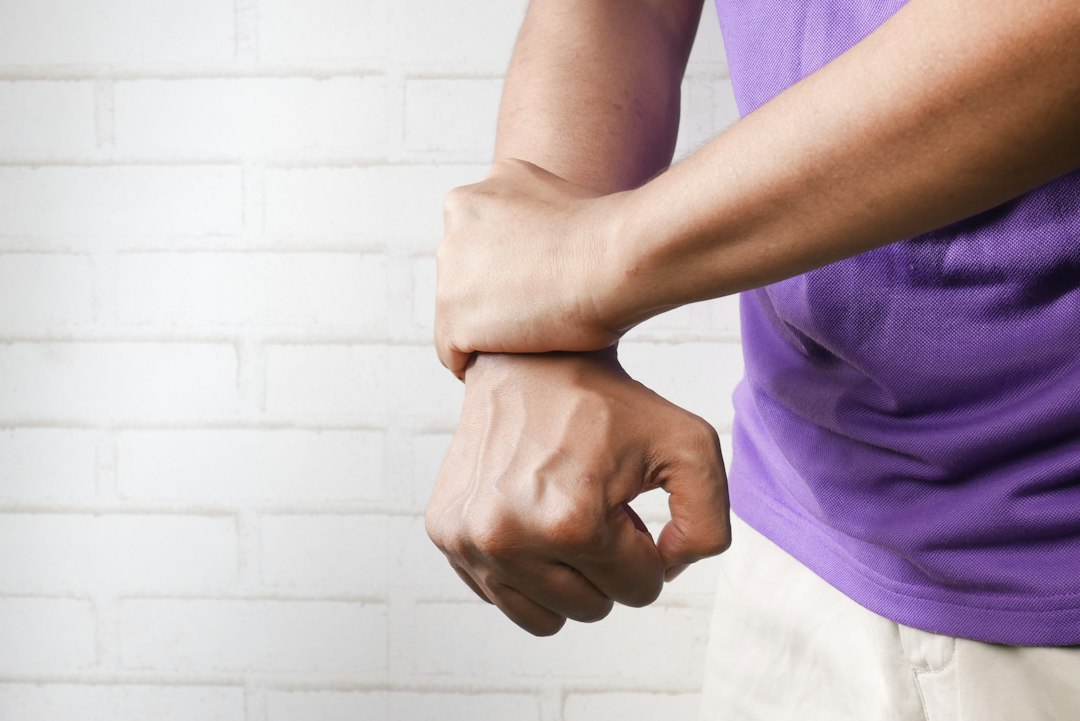
Introduction
If you've spent decades working at a computer, playing a sport, or performing the same physical motions day after day, your joints may be paying the price. Repetitive motion injury joint cartilage damage is one of the most common but underappreciated consequences of our modern lifestyles—and it doesn't always announce itself loudly. Unlike a sudden sports injury, cartilage degeneration from repetitive stress happens gradually, often silently, until you notice stiffness, clicking sounds, or pain that won't go away. For adults over 40, this issue becomes increasingly relevant, as the body's natural repair mechanisms slow down and cumulative wear-and-tear begins to compound. Understanding how repetitive motions damage your joints, and what you can do about it, is essential for maintaining mobility and quality of life in your later decades.
How Repetitive Motions Damage Cartilage Over Time
Cartilage is a smooth, rubbery tissue that covers the ends of bones, allowing them to glide smoothly against each other with minimal friction. Unlike bone, cartilage has no blood vessels or nerves, which means it relies entirely on movement and diffusion to receive nutrients and dispose of waste. When you perform the same motion repeatedly—whether typing, throwing a ball, or gripping tools—you're placing concentrated stress on specific areas of the joint.
A 2019 study published in the Journal of Orthopaedic Research found that repetitive loading on cartilage, especially when combined with poor biomechanics, accelerates the breakdown of the cartilage matrix. Each motion creates microscopic wear. Over months and years, these tiny injuries accumulate. The body's repair systems try to keep up, but in joints subject to constant repetitive stress, the damage outpaces healing. The cartilage begins to fray, thin, and eventually expose the bone underneath—a condition called osteoarthritis.
The mechanism is particularly damaging because cartilage has limited blood supply. Once damage occurs, nutrients needed to rebuild cartilage components like collagen and proteoglycans struggle to reach affected areas. Additionally, repetitive stress triggers an inflammatory response within the joint. Inflammatory molecules accumulate, further degrading cartilage and inhibiting the body's natural healing processes. This inflammatory cycle can persist for years, even when you're not actively using the joint. The result is progressive, repetitive motion injury joint cartilage damage that worsens with time if left unaddressed.
Recognizing the Signs and Symptoms
The early signs of repetitive motion injury are often subtle enough to dismiss. You might notice a slight grinding feeling when you move a joint, or perhaps a faint clicking sound—what doctors call "crepitus." These sounds occur as damaged cartilage surfaces become uneven and rough. You may also experience mild morning stiffness that improves as you move, or a dull ache that appears only after you've performed the repetitive activity for a while.
As cartilage damage progresses, symptoms typically become more noticeable and persistent. Pain that once appeared only during or immediately after the activity may begin to linger for hours afterward. Swelling around the joint is common, as the body attempts to stabilize the area with inflammation and excess fluid. Many people report that their range of motion decreases—a simple task like turning a doorknob or reaching overhead feels stiffer and more difficult.
One often-overlooked symptom is the development of compensatory pain patterns. When one joint becomes painful or stiff due to repetitive motion injury joint cartilage damage, your body unconsciously adjusts how you move to avoid that pain. This changes your biomechanics, placing abnormal stress on adjacent joints, ligaments, and muscles. You might then develop pain in your shoulder because you've been favoring an injured elbow, or experience lower back pain from altered walking patterns caused by a knee problem. A 2020 study in the British Journal of Sports Medicine highlighted this cascading effect, showing that untreated joint cartilage damage frequently leads to secondary injuries in connected areas.
The Impact on Daily Life and Quality of Life
For many adults over 40, repetitive motion injuries transform everyday activities into sources of frustration and pain. Simple actions—opening a jar, playing with grandchildren, gardening, or even sleeping comfortably—become challenging. People who once enjoyed hobbies like golf, tennis, or woodworking may find themselves unable to participate, leading to social isolation and loss of identity tied to those activities.
The psychological impact shouldn't be underestimated either. Chronic joint pain is associated with depression, anxiety, and reduced quality of life, according to research published in the journal Arthritis Care & Research. Constant pain creates a cycle of reduced activity, which leads to deconditioning, weakness, and often more pain. Many people develop a fear of movement—not always rational—that causes them to become less active than their condition actually requires, accelerating overall decline.
Work-related repetitive motions present an additional challenge. Professionals who must continue performing their job duties while experiencing joint pain face a difficult choice: push through the discomfort and risk further damage, or reduce work output and accept consequences for their livelihood. This ongoing stress compounds both the physical and emotional toll of the condition.
Natural Approaches and Lifestyle Modifications
While cartilage damage cannot be reversed once it occurs, several evidence-based approaches can help slow progression, reduce pain, and preserve function. The foundation of managing repetitive motion injury joint cartilage damage is addressing the underlying repetitive stress itself. This might mean ergonomic adjustments to your workspace, taking frequent breaks to vary your movements, or modifying how you perform activities that trigger symptoms.
Low-impact exercise is remarkably effective for joint health. Activities like swimming, water aerobics, and cycling maintain muscle strength and joint mobility without pounding the cartilage. A 2018 study in Osteoarthritis and Cartilage found that people who engaged in regular, moderate-intensity exercise experienced slower cartilage degradation and reported less pain than sedentary individuals. Physical therapy, guided by a professional who understands your specific injury pattern, can address muscle imbalances and improve biomechanics to take stress off damaged joints.
Weight management is particularly important for weight-bearing joints like the knees and hips. Every pound of body weight increases stress on these joints by approximately three to six times during activities like walking. Cold therapy can reduce inflammation during acute flare-ups, while heat therapy may improve mobility and reduce stiffness during less-active periods. Rest and activity modification remain essential—you don't need to stop all movement, but you should stop movements that specifically aggravate your condition.
The Role of Nutrition and Diet in Joint Cartilage Health
What you eat directly influences your joints' ability to repair and maintain healthy cartilage. Cartilage is composed primarily of collagen and proteoglycans, which require specific nutrients to build and maintain. Vitamin C is essential for collagen synthesis; without adequate vitamin C, your body cannot construct the structural proteins that form cartilage's framework. Research in the American Journal of Clinical Nutrition shows that people with higher vitamin C intake have better cartilage health and slower cartilage loss.
Glucosamine and chondroitin are cartilage building blocks that have shown modest benefit in several clinical trials, particularly for people with existing cartilage damage. While results are mixed, some studies suggest these compounds may help reduce pain and slow cartilage breakdown. Omega-3 fatty acids, found in fatty fish and flaxseeds, possess anti-inflammatory properties that combat the chronic inflammation driving cartilage degeneration. A 2015 study in the American Journal of Clinical Nutrition found that people consuming higher amounts of omega-3s experienced less joint inflammation and cartilage loss over time.
Antioxidant-rich foods combat oxidative stress, which accelerates cartilage breakdown. Berries, leafy greens, and colorful vegetables contain polyphenols and other compounds that reduce inflammatory signaling within joints. Bone broth and collagen supplements provide amino acids and collagen peptides that support cartilage structure, though evidence for supplemental collagen absorption is still emerging. When dietary sources alone seem insufficient to meet these nutritional needs, many people explore targeted supplements. This is why many adults turn to formulations designed to support joint structure and reduce inflammation—one such option combines these key nutrients in one convenient supplement. A balanced diet focusing on whole foods should always form the foundation of your joint-health strategy.
Frequently Asked Questions
Can cartilage damage from repetitive motion be reversed?
Unfortunately, once cartilage is damaged, it cannot repair itself completely because cartilage lacks blood vessels and the regenerative capacity of other tissues. However, progression can often be slowed significantly through activity modification, appropriate exercise, and nutritional support. Some emerging treatments like platelet-rich plasma therapy show promise, but results remain mixed and access is limited.
How long does it take for repetitive motion to cause noticeable cartilage damage?
The timeline varies greatly depending on intensity, frequency, biomechanics, age, and overall health. Some people notice symptoms within months of starting a new repetitive activity, while others perform the same motions for years without significant problems. Generally, noticeable cartilage damage takes at least several months to develop, but the progression accelerates over years if the repetitive stress continues unchecked.
What's the difference between repetitive strain injury and cartilage damage?
Repetitive strain injury (RSI) is a broader term referring to any injury caused by repeated motions—including muscle strains, tendon inflammation, and nerve compression. Cartilage damage specifically refers to deterioration of the cartilage tissue covering joint surfaces. RSI can exist without cartilage damage, though untreated RSI often leads to cartilage problems over time as biomechanics change and inflammation persists.
Living with joint pain from years of repetitive motion is difficult, especially when conventional approaches only provide temporary relief. While lifestyle changes and proper nutrition form the foundation of joint care, many people find that targeted nutritional support helps address the underlying factors contributing to cartilage health. Learn more about Joint Genesis and the science-backed nutrients formulated to support joint structure and comfort.