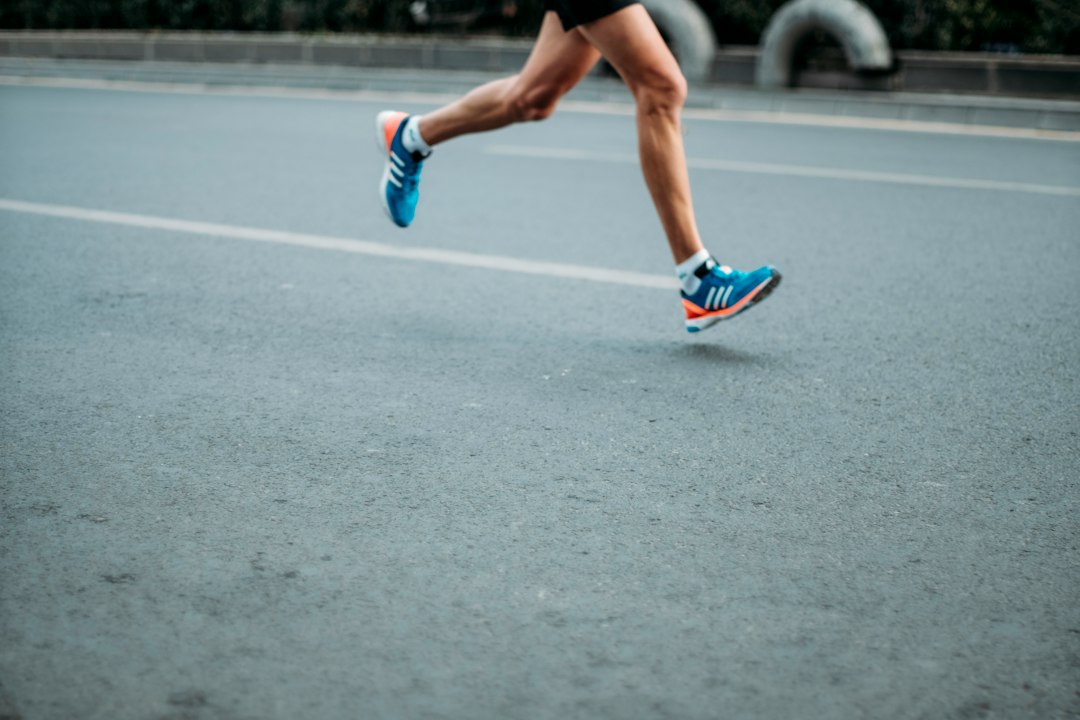
Does Running Damage Joints? Understanding Impact on Knees, Hips, and Beyond
Running does not inherently damage joints, but high-impact repetitive stress can accelerate cartilage wear and trigger inflammatory responses if technique, recovery, and conditioning are neglected. The question of whether running damages joints knees hips damage depends entirely on how you run, how often you run, and how well you prepare your body.
Most people believe that running inevitably leads to joint problems. The truth is more nuanced: millions of runners stay healthy for decades by following smart training practices, while others develop issues within months due to poor form, overtraining, or ignoring warning signs.
This article breaks down which joints suffer most, why they suffer, and how to run intelligently without sacrificing joint health.
- The knees and hips absorb the most impact during running, but they're designed to handle it with proper conditioning.
- Cartilage wear and synovial fluid depletion happen gradually over time when proper recovery and technique are ignored.
- Runners who gradually increase mileage, strengthen supporting muscles, and listen to their bodies rarely develop chronic joint problems.
- Poor footwear, biomechanical imbalances, and inadequate warm-up routines create most running-related joint injuries.
- Anti-inflammatory nutrition and targeted cross-training significantly reduce injury risk and support joint tissue repair.
TL;DR: Running doesn't automatically damage joints. Knees and hips bear the most impact, but they adapt well to stress when conditioned gradually. Injury happens from overtraining, poor form, weak stabilizer muscles, and inadequate recovery—not from running itself.
The Common Myth: Running Always Ruins Your Joints
Why Everyone Believes Running Damages Joints
The "running destroys knees" narrative is everywhere. People see older runners with joint problems and assume running caused them. But correlation isn't causation—many of those runners trained incorrectly, ignored pain signals, or lacked the muscle support their joints needed.
Research shows something different. A 2017 study published in Sports Medicine found that recreational runners who follow progressive training programs actually show lower rates of osteoarthritis than sedentary people. Elite runners with decades of training often have healthier joints than non-runners their age.
What Research Actually Shows
When running damages joints, it's rarely the running itself. The culprit is almost always training error—doing too much too soon, running on inadequate recovery, or biomechanical dysfunction that wasn't addressed.
The real issue is simpler than you think: your joints adapt to stress gradually. Push them too hard too fast, and connective tissue damage results. Give them time and proper stimulus, and they become stronger.
Which Joints Suffer Most From Running Impact
The Knees Bear the Heaviest Load
Your knees absorb roughly 1.5 to 3 times your body weight with every step while running. They're the most commonly injured joint among runners because they're built to handle forward and backward motion, but running adds rotational forces they weren't designed for in isolation.
The knee joint is where the femur (thighbone), tibia (shinbone), and patella (kneecap) meet. When you run, the shock doesn't just stop at impact—it travels through weak hip muscles, tight calves, and imbalanced quadriceps, creating cartilage wear in vulnerable areas.
Common knee injuries include:
- Patellofemoral pain (runner's knee)
- Iliotibial band syndrome
- Meniscus damage
- Patellar tendinitis
The Hips Stabilize but Take Hidden Damage
The hip joint is a ball-and-socket joint—more mobile than the knee, but also more complex. Runners often develop hip pain not from direct impact, but from muscular imbalances that force the joint to work inefficiently.
When glute muscles are weak, your hip stabilizers fail. This causes the knee to collapse inward (valgus collapse), the pelvis to drop, and synovial fluid distribution to become irregular—all hallmarks of early joint stress.
Hip issues in runners often appear as:
- Hip flexor tightness and pain
- Greater trochanteric bursitis
- Labral tears
- Femoroacetabular impingement
Ankles, Feet, and Lower Legs Feel It Too
Your ankles and feet are the first to contact the ground. Weak ankle stabilizers and poor arch support create cascading problems up the chain—a weak ankle changes how your knee and hip absorb force.
The Achilles tendon, plantar fascia, and metatarsal joints work overtime in runners who don't gradually condition these tissues.
The Real Root Cause of Joint Impact Most People Miss
Inadequate Muscular Support Around Joints
Here's what most runners don't understand: muscles are shock absorbers, not bones. When your glutes, hamstrings, quads, and hip stabilizers are weak, your joints absorb 100% of the impact force directly.
A 2022 study published in the Journal of Orthopaedic Research found that runners with weak hip abductors showed 2.5 times more knee valgus (inward collapse) during landing. Weak muscles mean vulnerable joints.
The solution isn't to stop running. The solution is to strengthen the muscles that support running:
- Glute maximus and medius (hip stability)
- Quadriceps and hamstrings (knee support)
- Tibialis anterior (shin stability)
- Calf muscles and intrinsic foot muscles
- Core and hip flexors (pelvic stability)
Training Errors and Progressive Overload Mistakes
The "10% rule" exists for a reason: increase weekly mileage by no more than 10% per week. Most running injuries stem from violating this principle, not from running itself.
Your tissues need time to adapt. Cartilage remodels slowly—it takes weeks of consistent stimulus for your body to build stronger joint structures. Rushing this process creates micro-tears in cartilage and overloads stabilizing muscles.
Common training errors that damage joints include:
- Jumping from low mileage to high mileage in days or weeks
- Running hard every single day without easy recovery runs
- Not taking deload weeks (reduced training weeks) every 4-6 weeks
- Adding new workout types (hills, sprints, track work) without preparation
- Ignoring pain signals as "just soreness"
Exercise and Movement Strategies for Running Joint Health
Strength Work That Actually Protects Joints
Runners who strength train 2-3 times per week cut injury rates in half. The best exercises target hip stability, knee support, and ankle strength—not bulky muscle building.
Effective joint-protective exercises include:
- Single-leg glute bridges (1 leg at a time builds imbalance detection)
- Clamshells and side-lying hip abduction (targets often-weak glute medius)
- Bulgarian split squats (single-leg loading mimics running forces)
- Step-ups and lateral walks (hip and knee stability)
- Calf raises and single-leg balance work (ankle and foot strength)
- Planks and dead bugs (core stability affects hip alignment)
Do 12-15 reps of 3-4 exercises, 2-3 times weekly. Consistency beats intensity here—light resistance with perfect form beats heavy weight with sloppy movement.
Movements and Running Patterns to Avoid
Not all running creates equal joint stress. Your biomechanics—how your body moves through space—determine whether running protects or damages your joints.
High-risk patterns include:
- Overstriding (landing with your foot far ahead of your body)
- Heel striking with excessive impact force (landing on your heel instead of midfoot)
- Inward knee collapse (valgus collapse) during landing
- Excessive pronation (foot rolling too far inward) or supination (rolling outward)
- Running with a collapsed core (torso wobbling side to side)
A running gait analysis—either at a specialty running store or with a physical therapist—identifies your biomechanical risks.
Dietary Approaches That Reduce Running-Related Joint Stress
Anti-Inflammatory Foods That Support Joint Tissue
What you eat directly affects joint inflammation and tissue repair speed. Runners who eat strategically for joint health recover faster between workouts and experience less joint pain during training.
Anti-inflammatory foods that support joints include:
- Fatty fish (salmon, mackerel, sardines)—omega-3s reduce joint inflammation
- Berries (blueberries, tart cherries)—anthocyanins lower inflammatory markers
- Leafy greens (spinach, kale)—vitamins K and C support collagen synthesis
- Turmeric and ginger—curcumin and gingerol have anti-inflammatory effects comparable to some NSAIDs
- Nuts and seeds (almonds, walnuts)—vitamin E and magnesium reduce inflammation
- Bone broth—contains collagen and gelatin that directly support joint tissue
According to research in Nutrients Journal, runners who consumed omega-3 supplements showed reduced joint pain and faster recovery compared to placebo groups.
Foods That Worsen Joint Inflammation
Some foods actively trigger inflammation and slow recovery. Cutting these from your diet can reduce joint pain within weeks.
Inflammatory foods to minimize include:
- Refined sugars and ultra-processed foods (spike inflammatory markers)
- Seed oils high in omega-6 (sunflower, soybean)—create inflammatory imbalance
- Alcohol in excess (dehydrates joints and impairs recovery)
- Fried foods (oxidative stress damages joint tissue)
- High-sodium processed foods (associated with inflammation)
A simple strategy: eat mostly whole foods, prioritize anti-inflammatory options, and watch your joint pain drop naturally. Supplements like Joint Genesis are formulated specifically around the nutrients most linked to joint health, combining many of these anti-inflammatory compounds into one formula.
Tracking Progress and Setting Realistic Expectations
How to Measure Joint Health Improvement
Real progress isn't always visible on a scale or in a mirror. Joint health improvements show up as changes in how you move, how you recover, and how you feel during and after running.
Track these metrics:
- Pain level during runs (rate 0-10; aim for staying below 3/10)
- Recovery speed (how quickly soreness disappears after hard runs)
- Range of motion (can you squat deeper, bend further without pain?)
- Swelling (does your knee or ankle puff up after runs?)
- Running distance tolerance (can you run longer before pain starts?)
Keep a simple log: date, run type, distance, how your joints felt, any pain afterward. This reveals patterns—which workouts bother your knees, which routes feel better.
Realistic Timeline for Joint Adaptation
Your joints don't change overnight. Joint tissue remodeling takes 8-12 weeks minimum, and full adaptation to new training can take 4-6 months.
Realistic expectations:
- Weeks 1-4: Muscle soreness decreases; neurological adaptation