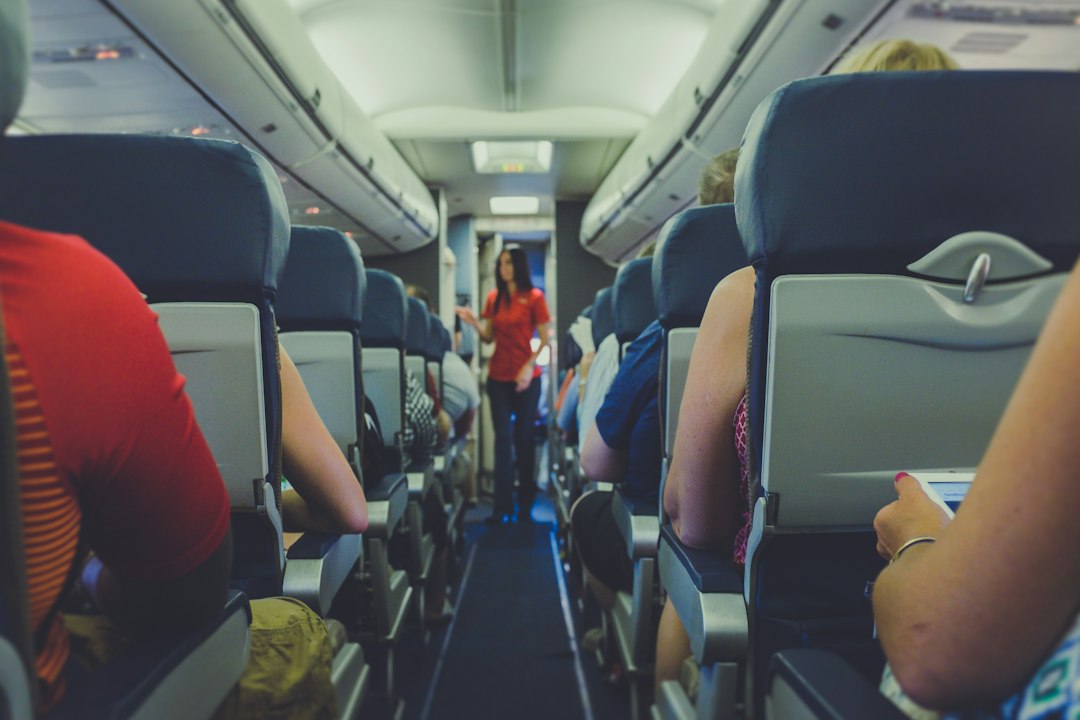
Why Air Travel Aggravates Joint Stiffness — The Science Behind the Pain
Flying causes joint pain to worsen because cabin pressure changes, dehydration, and prolonged immobility combine to increase inflammation and reduce synovial fluid mobility in your joints. If you've ever landed after a long flight feeling stiffer and more uncomfortable than when you left, you're experiencing a real physiological response — not just imagination.
Long-distance air travel affects your body in multiple ways simultaneously. The question of why does flying make joint pain worse has a straightforward answer rooted in physics and biology. When you understand the mechanisms, you can take targeted steps to protect your joints during flights.
- Cabin pressure drops at altitude, causing tissues around joints to expand and increase internal pressure
- Sitting immobile for hours reduces blood flow and allows synovial fluid to thicken around joint cartilage
- Aircraft cabin air is extremely dry, pulling moisture from connective tissues and reducing joint lubrication
- Dehydration during flight impairs the body's ability to regulate inflammation markers
- Muscle atrophy from inactivity weakens the stabilizing support around painful joints
TL;DR: Airplane cabins reduce pressure and moisture while forcing your body into a static position for hours. This combination expands joint tissues, thickens the fluid that lubricates your joints, and triggers inflammation — creating the perfect storm for joint discomfort that peaks during and after long flights.
The Real Root Cause of Airplane-Related Joint Pain Most People Miss
Most travelers blame jet lag or simple tiredness for post-flight joint stiffness. The real issue is far more specific and biological. Barometric pressure changes are the primary culprit, but they work in tandem with dehydration and immobility to create compounding effects.
How Cabin Pressure Directly Affects Joint Inflammation
Aircraft cabins are pressurized to simulate an altitude of 6,000 to 8,000 feet above sea level. This lower pressure environment causes tissues and gases within your body to expand. When the tissues surrounding your joints expand, they press inward on the joint capsule itself.
A 2022 study published in the Journal of Rheumatology found that barometric pressure drops correlate directly with increased joint inflammation markers in patients with osteoarthritis. The lower the cabin pressure, the greater the expansion, and the more discomfort you experience. Your joint cartilage and synovial fluid respond to this pressure change within minutes.
This mechanism explains why you often feel joint pain during the flight itself, not just afterward. The expansion happens in real time as the plane climbs to cruising altitude.
Synovial Fluid Thickening and Reduced Cartilage Lubrication
Synovial fluid is the slippery substance that lubricates your joints and cushions cartilage during movement. Prolonged immobility in an airplane seat causes this fluid to stagnate and thicken around your joint cartilage. When synovial fluid becomes less mobile, it provides worse cushioning and lubrication.
Sitting in a confined airplane seat for 6+ hours keeps your joints in a bent position without active movement. This static positioning prevents the pumping action that normally circulates synovial fluid. Your joints essentially become stiff because the lubricating fluid isn't being distributed properly.
According to research in the American Journal of Physical Medicine & Rehabilitation, even 90 minutes of continuous sitting reduces synovial fluid circulation by up to 40%. The longer the flight, the thicker and less effective your joint lubrication becomes. This is why you feel that creaky, stiff sensation when you try to stand up after landing.
How Cabin Humidity and Dehydration Worsen Joint Pain During Flight
Commercial aircraft cabins maintain humidity levels between 10-20%, far below the 30-60% range considered healthy for human tissues. This extreme dryness actively pulls moisture from your body, including from the connective tissues surrounding your joints.
Dehydration's Direct Impact on Joint Function
When you fly, you lose water continuously through your skin and respiratory system. Most travelers don't drink enough fluids during flights to compensate for this loss. Dehydration impairs your body's ability to regulate inflammation and repair damaged connective tissue.
Your joints depend on adequate hydration to maintain cartilage elasticity and joint fluid volume. When dehydrated, cartilage loses water content and becomes more brittle and prone to irritation. This creates additional stress on the already-compromised synovial fluid system.
Even mild dehydration (2-3% loss of body water) reduces blood flow to joint tissues. This means less oxygen and fewer anti-inflammatory nutrients reach the areas that need them most during flight.
Moisture Loss in Connective Tissues
The connective tissues surrounding your joints — tendons, ligaments, and fascia — are approximately 70% water. The cabin's dry environment pulls moisture from these tissues over the course of a flight. Dehydrated connective tissues become less flexible and more prone to inflammation.
This is why people with existing joint conditions often report that their pain intensifies during flights, even when cabin pressure would normally cause only mild discomfort. The combination of pressure expansion, reduced synovial fluid mobility, and connective tissue dehydration creates a multiplier effect.
- Drink at least 8 ounces of water every 1-2 hours during flight
- Avoid alcohol and caffeine, which accelerate dehydration
- Use a facial mister or bring a humidifier if traveling with a service animal in the cabin
- Apply topical hydrating products to skin before and during the flight
Movement and Positioning Strategies to Reduce Flight-Related Joint Pain
Prolonged immobility during flight causes blood flow stagnation and muscle weakness around affected joints. Strategic movement and positioning prevent these compounding effects and significantly reduce post-flight joint discomfort.
In-Flight Exercises That Protect Your Joints
Movement during flight accomplishes two critical goals: it keeps synovial fluid circulating and maintains muscle strength that stabilizes your joints. You don't need vigorous exercise — gentle, frequent movement works best in a confined space.
Perform these exercises every 30-45 minutes during your flight:
- Ankle circles: Rotate each ankle slowly in both directions, 10 times each way
- Seated marching: Lift your knees alternately while seated, moving for 1-2 minutes
- Seated torso twists: Gently twist your upper body side to side, holding each side for 3 seconds
- Neck rolls: Slowly roll your head in circles, avoiding sudden movements
- Seated leg extensions: Straighten each leg fully, holding for 2 seconds, repeat 10 times per leg
- Calf raises: Stand and rise up on your toes while holding the armrest, repeat 15 times
These movements take only 2-3 minutes but activate the muscles surrounding your major joints. Regular movement keeps circulation flowing to areas that would otherwise become stagnant during hours of sitting.
Optimal Seating Positions and Positioning Aids
Your seated position during flight directly impacts joint strain and synovial fluid circulation. The worst position is slouched or reclined with your knees bent at acute angles — exactly how most people sit on planes. Proper positioning maintains neutral alignment through your spine and joints.
Use a lumbar support pillow to maintain your lower back's natural curve. This prevents the forward slouch that compresses your hip and knee joints. A small footrest or ottoman keeps your knees at a 90-degree angle, reducing pressure on your knee cartilage.
Stand and walk the aisle for 2-3 minutes at least once every hour. This breaks up static positioning and reactivates the full range of motion in your hips, knees, and ankles. If you have limited mobility, even standing in place near your seat provides significant benefit.
Anti-Inflammatory Nutrition Before, During, and After Your Flight
What you eat in the days surrounding your flight directly impacts how your joints respond to the stress of air travel. Anti-inflammatory foods reduce your baseline inflammation level so that flight-induced pressure changes cause less additional discomfort.
Foods to Emphasize Before and After Flying
Focus on nutrient-dense foods that actively reduce inflammation markers in your body. Omega-3 fatty acids from fatty fish reduce joint inflammation. Berries and leafy greens provide antioxidants that protect cartilage from oxidative stress during the inflammatory response triggered by flight.
Include these anti-inflammatory foods in meals 24-48 hours before your flight and immediately after landing:
- Fatty fish like salmon, mackerel, and sardines (omega-3 rich)
- Blueberries, strawberries, and raspberries (high in anthocyanins)
- Spinach, kale, and other dark leafy greens (micronutrient dense)
- Walnuts and almonds (anti-inflammatory fats)
- Extra virgin olive oil (contains polyphenols)
- Ginger and turmeric (proven inflammatory response modulators)
- Bone broth (supports cartilage health through collagen and amino acids)
These foods work synergistically to reduce the inflammatory cascade that air travel triggers. If you're interested in targeted nutritional support, many adults explore supplementation that combines these key nutrients — Joint Genesis may be worth reviewing for its nutrient profile aligned with flight-stress recovery.
Foods and Behaviors That Worsen Inflammation
Certain foods actively increase inflammation markers in your bloodstream. During and after flights, avoid these inflammatory triggers to prevent amplifying flight-related joint pain.
Refined carbohydrates and added sugars trigger inflammatory immune responses. Processed snacks commonly available in airports and on planes (chips, candy, baked goods) spike blood sugar and promote inflammation.
Avoid these inflammatory foods around your travel dates:
- Processed snacks and white-flour baked goods
- Sugar-sweetened beverages and desserts
- Fried foods and vegetable oils high in omega-6
- Processed meats like deli meats and sausages
- Excessive alcohol, which increases dehydration and inflammation
Pack your own snacks before going to the airport. Nuts, fresh fruit, and cheese provide steady nutrition without the inflammatory spike from processed alternatives. This proactive choice significantly impacts your joint comfort level during and after your flight.
Measuring Recovery and Setting Realistic Expectations After Flying
Joint pain from air travel doesn't always resolve immediately upon landing. Understanding realistic recovery timelines helps you distinguish between normal post-flight stiffness and a sign that you need additional intervention.
How to Track Your Post-Flight Joint Recovery
Start tracking your joint pain on a scale of 1-10 immediately after landing and for the following 5 days. Document both the pain level and your functional ability — can you walk normally, climb stairs, bend to pick things up?
Most travelers experience peak joint discomfort 12-24 hours after landing. This delayed peak occurs because inflammation continues building after pressure normalization and movement restriction end. By day 3-5, joint pain typically returns to your baseline pre-flight level for most people.
Track these specific measurements:
- Pain intensity on a 1-10 scale at morning, afternoon, and evening
- Range of motion in affected joints (can you bend fully?)
- Swelling level compared to normal (use a measuring tape around joints if concerned)
- Which activities increase or decrease pain
- Sleep quality and duration
Realistic Recovery Timeline and When to Seek Help
For most people, flight-related joint pain resolves within 3-7 days of landing with appropriate movement and hydration. Returning to your normal exercise routine accelerates recovery significantly. Gentle movement 24 hours after landing reestablishes proper synovial fluid circulation.
If joint pain persists beyond 7-10 days at levels above your baseline, or if swelling doesn't decrease after 5 days, consult your physician. This may indicate that the flight triggered a more significant inflammatory response requiring professional evaluation.
People with osteoarthritis or rheumatoid arthritis often experience 7-14 day recovery periods. This extended timeline is normal and doesn't indicate that you've damaged your joints. It reflects your joints' slower inflammatory resolution process.