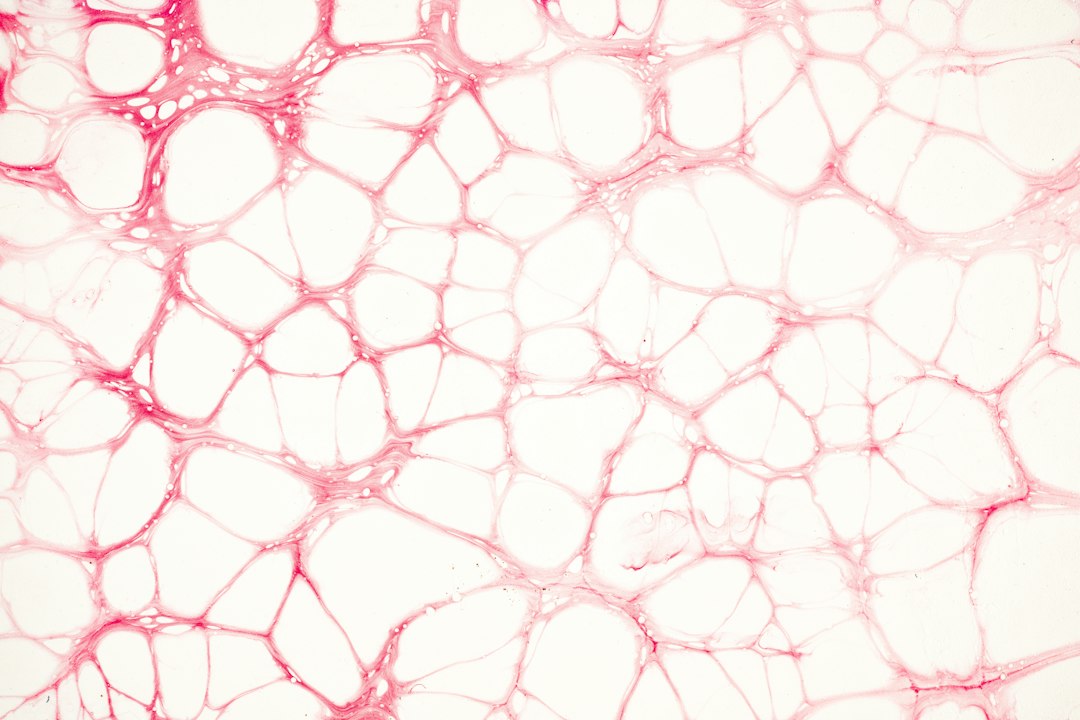
Why Cartilage Breaks Down Without Healing: The Biology That Stops Repair
Cartilage doesn't repair itself because it lacks blood vessels, nerves, and the cellular machinery needed to regenerate — unlike bone or skin, which have rich blood supplies that trigger healing. When you damage cartilage in your joints, your body can't easily deliver the repair cells and nutrients necessary to fix it. This is why understanding why cartilage repair fails is crucial for anyone experiencing joint wear and wanting to slow progression.
- Cartilage lacks blood vessels, making nutrient delivery and cellular repair nearly impossible
- Once cartilage wears down, it cannot regenerate on its own due to low cell turnover rates
- Inflammation and synovial fluid breakdown accelerate joint deterioration over time
- Movement, diet, and targeted nutrients can slow cartilage loss but not reverse existing damage
- Early intervention is critical — prevention is far more effective than treatment
TL;DR: Cartilage fails to repair because it has no blood supply, contains few living cells, and lacks the biological signals that trigger healing in other tissues. Joint wear accelerates through inflammation and mechanical stress. While you can't regrow damaged cartilage, lifestyle changes and proper nutrition can significantly slow further degeneration.
---The Biological Barrier: Why Joint Cartilage Cannot Regenerate Like Other Tissues
Most tissues in your body heal through a predictable process: injury triggers inflammation, blood vessels rush to the site, and repair cells rebuild the damage. Cartilage breaks this rule entirely because it's fundamentally different from every other tissue you possess. It exists in a state of biological isolation, cut off from the very systems that enable healing elsewhere.
The Missing Blood Supply Problem
Here's the core issue: cartilage contains no blood vessels. While your skin, muscles, bones, and organs are threaded with capillaries delivering oxygen and nutrients, cartilage survives through diffusion alone. Nutrients seep into cartilage from the synovial fluid surrounding the joint, a slow and limited process.
This matters enormously because blood vessels do more than deliver oxygen. They carry growth factors, white blood cells, and platelets that trigger repair cascades in injured tissue. Without them, your body cannot initiate the inflammatory response needed for healing. A torn meniscus, frayed cartilage surface, or deep lesion simply sits there, unrepaired.
According to research in Nature Reviews Rheumatic Diseases, cartilage injuries older than a few weeks show virtually zero spontaneous healing. The tissue lacks the cellular communication pathways that activate repair in vascularized tissues.
Low Cell Density and Turnover Rates
Even the cells that do live in cartilage — chondrocytes — are sparse and slow-moving. Cartilage is only 10–20% living cells by volume; the rest is extracellular matrix made of collagen and proteoglycans. Those few chondrocytes divide extremely slowly, and they're surrounded by a dense, calcified matrix that makes cell migration almost impossible.
In bone, osteocytes actively communicate and coordinate repair. In cartilage, chondrocytes sit isolated in tiny pockets called lacunae, barely communicating with neighbors. This isolation prevents the coordinated cellular response necessary for regeneration.
The consequence is blunt: cartilage turnover takes years, not weeks. When damage occurs, there simply aren't enough active cells nearby to rebuild the matrix before wear deepens the injury further.
---The Real Root Cause of Progressive Joint Wear Most People Miss
Most people assume cartilage loss is just mechanical wear — like tires rubbing on asphalt. The truth involves two hidden processes that amplify damage far beyond simple friction. Understanding these accelerators is essential because addressing them can slow progression dramatically.
Inflammatory Cascade and Enzyme Degradation
When cartilage is injured, even slightly, your immune system responds by flooding the joint with inflammatory molecules. Enzymes called matrix metalloproteinases (MMPs) and aggrecanases are released into synovial fluid. These enzymes actively break down cartilage matrix faster than your body can rebuild it.
A 2022 study published in the Journal of Rheumatology found that inflammatory markers in synovial fluid predict cartilage loss rates better than mechanical stress alone. This means inflammation is driving degeneration, not just wear from movement.
This becomes a vicious cycle. Initial damage triggers inflammation, which releases degradative enzymes, which causes more cartilage breakdown, which triggers more inflammation. Each cycle deepens joint damage. This is why joint inflammation and cartilage wear are so tightly linked — they're not separate problems but parts of one accelerating system.
Synovial Fluid Breakdown and Loss of Shock Absorption
Your synovial fluid isn't just slippery — it's an active nutrient delivery and protection system. Healthy synovial fluid contains hyaluronic acid and proteins that nourish cartilage and cushion impact. As joints age or are damaged, this fluid degrades and thickens irregularly, reducing its protective and nutritive capacity.
Without proper synovial fluid quality, cartilage loses its shock absorption buffer. Forces that should be absorbed smoothly instead transfer directly to the cartilage surface, accelerating wear. Simultaneously, degraded synovial fluid can't deliver nutrients effectively, so chondrocytes enter a state of metabolic stress.
The result compounds the problem: cartilage breaks down faster both from mechanical stress and from cellular starvation. This is why joint stiffness often signals deeper damage — the fluid isn't functioning properly anymore.
---How Movement and Exercise Influence Cartilage Preservation
Here's where intuition often fails: movement isn't bad for damaged cartilage, but the wrong type of movement accelerates wear dramatically. The key is understanding which activities feed your joints and which drain them. Let's explore the movement strategies that matter most.
Best Exercises for Joint Cartilage Health
Low-impact, consistent movement preserves cartilage longer than rest or extreme exercise. Movement pumps synovial fluid through the joint, delivering nutrients to cartilage and removing inflammatory waste. Without movement, joints stiffen and cartilage cells starve.
The most protective activities share common traits:
- Swimming and water aerobics — buoyancy eliminates impact while moving joints through full range
- Walking on flat, even surfaces — predictable, repeating motion without sudden stress
- Cycling at moderate resistance — strengthens supporting muscles without joint compression
- Yoga and tai chi — gentle, controlled movements that maintain mobility and balance
- Resistance training with light to moderate weight — builds muscle support around joints
These activities have one thing in common: they're rhythmic, controlled, and don't demand sudden directional changes. Your cartilage responds well to consistent mechanical stress because it signals chondrocytes to maintain matrix integrity.
Movements and Activities That Worsen Cartilage Wear
High-impact, repetitive, or explosive movements accelerate cartilage breakdown significantly. This doesn't mean you should avoid activity — it means you should avoid the specific types that spike inflammatory markers and force concentration.
Activities most damaging to cartilage include:
- Jumping and plyometric exercises — create sudden force spikes that shear cartilage surfaces
- Competitive running on hard surfaces — cumulative impact exceeds cartilage's shock absorption capacity
- Heavy weightlifting with poor form — loads joints unevenly, concentrating pressure on specific cartilage zones
- Pivoting sports (tennis, basketball) — rapid directional changes create torsional stress that frays cartilage edges
- Repetitive overhead movements — compress shoulder and elbow cartilage surfaces consistently
The problem isn't movement itself — it's concentrated, repetitive force that exceeds your cartilage's current capacity to absorb and recover.
---Nutritional Factors That Slow Cartilage Degeneration
Your diet directly influences how fast cartilage breaks down and whether your synovial fluid functions properly. The foods you eat either feed inflammation or fight it. This section reveals which nutrients matter most and why, then identifies foods that accelerate joint wear.
Anti-Inflammatory Foods That Support Joint Cartilage
Specific nutrients reduce the inflammatory enzymes destroying your cartilage matrix. These aren't generic "healthy foods" — they're targeted compounds your chondrocytes need to survive metabolic stress. Supplements like Joint Genesis are formulated specifically around the nutrients most linked to cartilage preservation.
The most protective foods and nutrients include:
- Fatty fish (salmon, sardines, mackerel) — provide omega-3 fatty acids that suppress MMPs and inflammatory signaling
- Collagen-rich foods (bone broth, chicken skin) — supply the exact building blocks cartilage matrix needs
- Berries and dark leafy greens — contain polyphenols that reduce synovial fluid inflammatory markers
- Turmeric and ginger — active compounds (curcumin, gingerol) inhibit cartilage-degrading enzymes directly
- Citrus fruits and bell peppers — high in vitamin C, essential for collagen synthesis and stabilization
These foods work because they address the root cause: inflammation and enzyme degradation. They're not random wellness trends — they're backed by measurable changes in joint biomarkers within weeks of consistent consumption.
Foods That Accelerate Cartilage Breakdown
Just as important as what you eat is what you avoid. Certain foods trigger the exact inflammatory cascade that destroys cartilage. These aren't foods that are simply "unhealthy" — they're foods that directly spike the inflammatory markers damaging your joints.
Foods most damaging to cartilage include:
- Refined carbohydrates and added sugars — trigger AGE formation, which cross-links and stiffens cartilage matrix
- Vegetable oils high in omega-6 (canola, soybean oil) — promote inflammatory prostaglandin production when unbalanced
- Ultra-processed foods with artificial additives — activate immune cells that release cartilage-degrading enzymes
- Red meat and processed meats in excess — contain compounds that promote synovial inflammation
- Alcohol in excess — impairs synovial fluid production and increases cartilage-degrading enzyme activity
The pattern is clear: foods that cause blood sugar spikes and systemic inflammation accelerate the exact processes breaking down your cartilage. Avoiding them isn't optional if you want to slow joint wear.
---Measuring Progress and Setting Realistic Expectations for Joint Health
One of the hardest truths about cartilage wear is this: you can't regrow what's already gone. But you can absolutely slow the rate of future loss and improve function. Setting realistic expectations prevents disappointment and keeps you motivated through the months of consistent effort required to see results.
How to Track Cartilage Health and Functional Improvement
Cartilage changes happen invisibly, so you must track functional improvements instead of imaging. This is actually better because function is what matters in your daily life. Traditional markers include:
- Range of motion — measure how far you can move each joint (use simple tests like touching your toes or touching hands behind your back)
- Pain severity and frequency — log pain on a 0–10 scale daily and track movement types that trigger it
- Stiffness duration — note how long morning stiffness lasts; improvement means joints are better lubricated
- Activity tolerance — track how long or intensely you can exercise before pain develops
- Swelling reduction — measure joint circumference with a soft tape measure; reduced swelling indicates reduced inflammation
These metrics correlate with cartilage health because they reflect synovial function, inflammatory status, and chondrocyte metabolic capacity. Track them weekly in a simple log; patterns emerge over 4–8 weeks.
Realistic Timeline for Seeing Results
Here's what research actually shows: meaningful functional improvements appear in 6–12 weeks with consistent lifestyle changes. This isn't quick, but it's real. Synovial fluid quality improves in 3–4 weeks of proper nutrition and movement. Inflammatory markers shift in 6–8 weeks. Noticeable reduction in pain and stiffness follows.
Don't expect imaging changes (like cartilage thickness on MRI) to shift — once cartilage is lost, it won't regenerate. Instead, expect your joint to function better because the remaining cartilage is protected, inflammation is lower, and synovial fluid is healthier.
Most people see their best results at